Skip to the main content.

Personal Loans

Whether you're covering unexpected expenses, making a big purchase, or just need extra cash, our personal loans offer simple, flexible funding tailored to your needs.

Learn more...

Consolidation Loans

Simplify your finances with a loan that combines multiple payments into one. Our consolidation loans help reduce stress and keep your budget on track.

Learn more...

Home Improvement Loans

Upgrade your living space with financing designed for renovations, repairs, or remodeling. Our home improvement loans help you enhance your home’s comfort, value, and functionality—on your terms.

Learn more...

Symple Insights

Explore expert insights, financial tips, and strategic guidance from the Symple Lending team. Our insights and resource articles are your go-to source for empowering content that helps you make informed decisions on your journey to financial freedom.

Learn More...

Symple News

Stay up-to-date with the latest press releases, media features, and major announcements from Symple Lending. This section showcases how we're making headlines and driving innovation in the lending industry.

Learn More...

10 min read

How to Refresh Your Budget as a New Season Approaches: A Stress-Free Guide

How to Refresh Your Budget as a New Season Approaches: A Stress-Free Guide
How to Refresh Your Budget as a New Season Approaches
19:40

Ever notice how your spending naturally shifts with the seasons? From cranking up the heat in winter to splurging on summer adventures, your financial needs ebb and flow throughout the year, yet many of us try to maintain the same rigid budget all year round. The start of a new season is the perfect time to refresh your budget and set yourself up for financial success.

The secret to financial peace isn’t having a perfect budget that never changes. It’s creating a flexible financial plan that anticipates and adapts to life’s natural rhythms. Taking a moment to reflect on your finances now can lead to better money management, improved savings, and help you achieve your financial goals. Just as you wouldn’t wear a winter coat in summer, your budget deserves seasonal updates that reflect your changing needs and priorities.

Normalizing Seasonal Spending Changes

As the seasons change, your budget often needs small updates to stay realistic. Spring can bring different expenses than winter, such as changes in utility bills, increased transportation costs, home maintenance, or planning for upcoming travel and activities. These shifts are not signs that your budget is failing. They are normal patterns that happen throughout the year.

Treating budget updates as routine check-ins can help reduce stress and make your finances easier to manage. A quick review allows you to adjust categories that no longer reflect your current spending and prepare for costs that are more common in the spring months. This might include lawn care, home repairs, seasonal activities, or higher grocery spending as routines change.

Planning ahead for predictable spring expenses gives you more control over your money. If you know certain costs tend to increase this time of year, you can adjust your budget in advance rather than reacting after the fact. This approach makes it easier to stay consistent with savings and avoid feeling caught off guard.

By recognizing how your spending naturally shifts with the seasons, you can build a budget that reflects your real life. Making small updates helps you stay focused on your financial priorities while keeping your plan flexible enough to handle seasonal changes without added pressure.

Reviewing Recent Spending Trends

Start by looking through your bank statements from the last year to spot patterns. Notice how your heating costs spike in winter or how your dining out expenses change during vacation months. This helps you prepare for what’s coming.

Pay special attention to which expenses were one-time purchases (like replacing a broken appliance) versus recurring seasonal costs (like holiday shopping). This distinction helps you avoid setting aside too much money for events that won’t happen again.spending trends

Separating your fixed costs (rent, insurance) from variable ones (seasonal utilities, summer activities) makes it easier to find areas where you can adjust your budget.

Make this process simpler by using the tools already at your fingertips. Many online banking platforms offer spending analytics features that automatically categorize your purchases and show monthly comparisons, giving you a clear picture without the manual work. Take time to review individual transactions to better understand your spending habits and identify areas for improvement. Using AI tools to categorize spending can help you get organized fast.

Mapping Out Planned Upcoming Expenses

Looking ahead helps you prepare for seasonal costs before they arrive. Whether it’s spring travel, family events, or holiday shopping, knowing what’s coming gives you control over your finances. Plan ahead for these upcoming costs to reduce financial stress and manage large or recurring expenses more effectively.

Pull out last year’s statements to forecast accurately. Did you spend $500 on holiday gifts? Plan for similar costs this year. Was your summer cooling bill higher than expected? Use that figure as your baseline for next season.

A seasonal budget refresh is essential for financial stability. Start by listing all upcoming expenses and categorizing them (utilities, gifts, travel, etc.) with realistic estimates. Be honest about what things actually cost rather than what you wish they cost.

Consider using sinking funds for predictable seasonal expenses. Establish a sinking fund for large, expected costs by dividing the estimated total by the number of months remaining and saving that amount incrementally. This strategy turns financial planning into a proactive process and ensures funds are available when needed.

Prioritize your expenses by reviewing past statements to predict seasonal peaks and lulls in your spending. This proactive approach means you’ll have money set aside when you need it, rather than scrambling when big savings goals require financial moves.

Adjusting Budget Categories

When the seasons change, it’s time to adjust where your money goes. Start by looking for quick wins: cut unused subscriptions, pause services you don’t need right now, or reduce how often you order takeout during financially tight months. Assess the value of each subscription service and recurring expense to ensure you’re only paying for what truly benefits you. You can also sell unused items like electronics, clothes, or furniture to generate extra cash for seasonal expenses.

Create dedicated seasonal buffers in your budget for expenses you know will increase. Many banks let you set up sub-accounts specifically for these seasonal costs, making it easier to set aside money gradually before the bills arrive.budget categories-2

The key to successful seasonal budgeting is flexibility. Give yourself permission to shift money between categories as needed. Sometimes you’ll need to decide which expenses to prioritize or cut to stay on track.

Review your budget regularly to maintain balance. Reviewing your monthly expenses can help identify areas where you can cut back, such as subscription services and impulse purchases. Sometimes this means making tough choices like delaying large purchases until your financial situation improves. These small adjustments help prevent the stress of unexpected expenses throughout the year.

Building a Safety Net for Unexpected Expenses

Unexpected expenses can happen at any time, whether it is a car repair, a medical bill, or a home issue that needs immediate attention. Spring can also bring its own surprise costs, such as roof repairs after winter weather, landscaping expenses, or maintenance projects that were postponed during colder months. Building an emergency fund is one of the most effective ways to protect your financial stability when these situations arise. Research shows that people with even modest savings set aside for emergencies experience less financial stress and recover more quickly from unexpected expenses than those without savings.

A practical goal is to gradually save three to six months of essential living expenses in a separate, easily accessible account. However, even starting with $500 can provide meaningful protection against smaller emergencies. Keeping this money in a savings account that allows quick access, such as a high yield savings account, ensures it is available when needed. Small, consistent contributions make a difference. For example, setting aside $25 from each paycheck can add up to $650 in a year. Regular deposits help strengthen your financial position without requiring drastic changes to your lifestyle.

An emergency fund provides stability and confidence. Knowing that you have money set aside for unexpected expenses can help you make decisions calmly rather than reacting under pressure. Start with an amount that feels manageable, even if it is small. Over time, steady contributions build a reliable cushion that supports your financial goals and helps you handle seasonal expenses, including those that often appear in the spring, without disrupting your overall plan.

Managing Recurring Bills with the Season in Mind

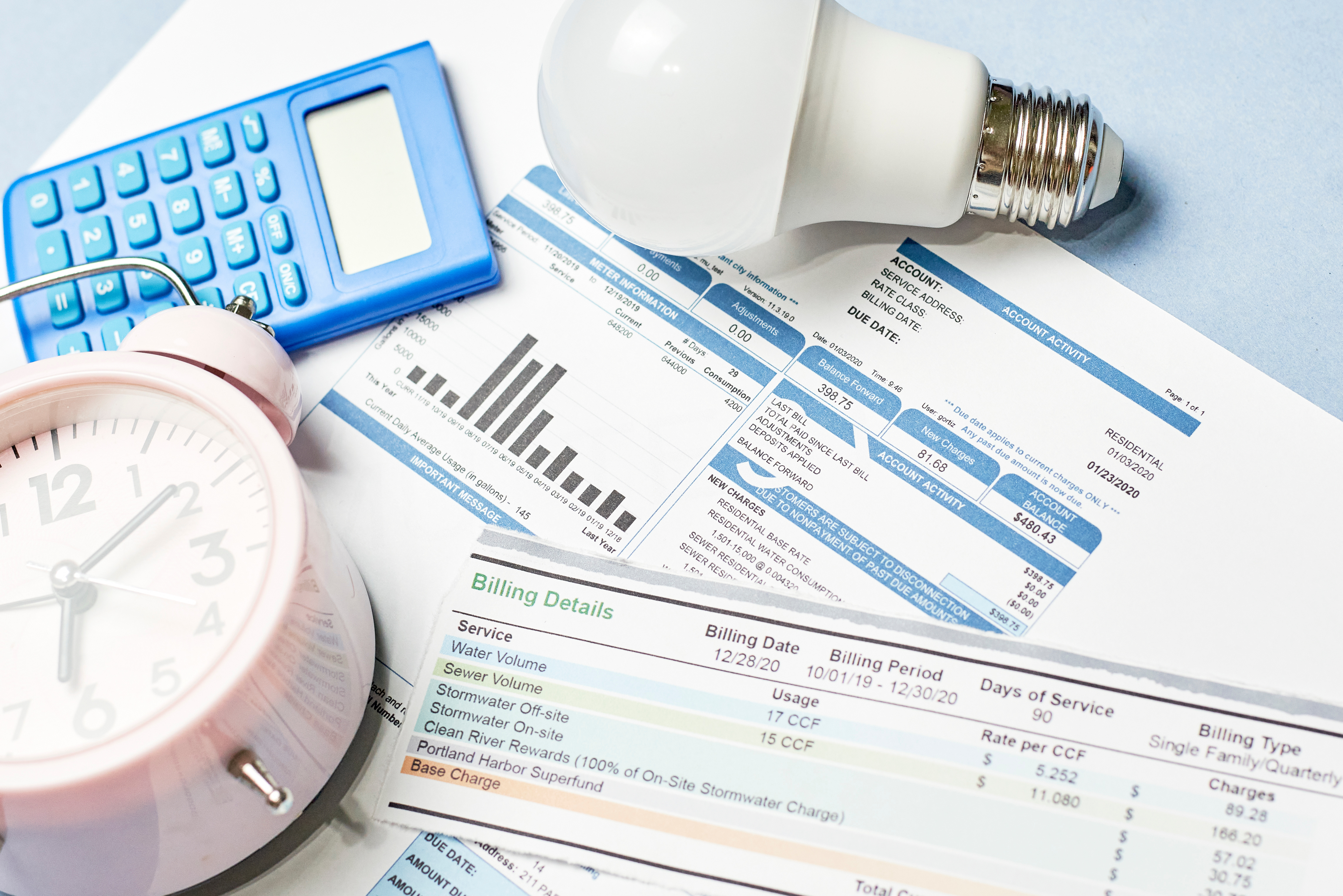
Seasonal bills tend to increase and decrease at predictable times during the year. Utility costs, for example, may rise during the summer due to air conditioning or shift again in the spring as weather patterns change. Subscription services and recurring payments also continue month after month, sometimes without much attention. One practical way to manage these fluctuations is by using a sinking fund approach. This means setting aside a fixed amount each month in a separate account to prepare for higher seasonal expenses. When those bills increase, the money is already available, which helps reduce stress and prevents last-minute financial strain.recurring bills

It is also helpful to review recurring subscription services regularly. Many people continue paying for streaming platforms, apps, or memberships they rarely use. Taking time to evaluate these charges can free up extra money each month. Canceling or pausing unused subscriptions allows you to redirect those funds toward savings, paying down balances, or covering seasonal expenses more comfortably.

Managing recurring expenses with seasonal changes in mind helps create a more stable and predictable budget. Planning ahead for higher costs and trimming unnecessary spending makes it easier to stay on track with financial goals. This steady approach ensures that bills are covered while also creating flexibility to allocate money where it matters most.

Maintaining a Healthy Cash Flow

Many people experience ongoing money stress because they do not have clear visibility into their cash flow. Healthy cash flow is not just about tracking numbers. It is about ensuring that your income consistently covers your expenses while allowing room for savings and long-term goals. Start by creating a budget that accounts for all income and expenses. Include both fixed expenses, such as rent or mortgage payments, and variable costs like entertainment, dining, or hobbies. Prioritize essential expenses first and stay mindful of impulse purchases that can quickly disrupt your plan.

One simple structure that can help is the 50/30/20 rule. Allocate about 50 percent of your income to essential expenses, 30 percent to discretionary spending, and 20 percent to savings and repayment of outstanding balances. This framework provides balance between covering current needs and preparing for the future. It can be adjusted to fit your specific financial situation.

Using automatic transfers through your bank can make it easier to stay consistent. Setting up recurring bill payments and automatic savings contributions reduces the risk of missed payments and helps build savings steadily over time. Automation removes the need to make repeated decisions each month and supports better financial habits.

Regularly reviewing your budget is also important. As expenses or income change, small adjustments keep your plan realistic and aligned with your goals. Staying aware of your cash flow makes it easier to reduce financial stress, build savings, and make steady progress toward long-term financial stability.

Updating Savings Goals and Priorities

As seasons shift, so should your savings goals. Take this opportunity to set new financial goals that reflect your changing needs and priorities. Set aside more money during financially comfortable periods to prepare for upcoming needs. For example, after winter when heating bills decrease, redirect those savings toward summer vacation funds or back-to-school expenses.

Use high-income months to build your emergency fund, creating a financial cushion for unexpected costs. Prioritizing saving during these months can help you reach your targets faster. Write down your savings goals to make them more concrete and actionable; documenting your plans increases your commitment and helps you track progress. This approach helps smooth out cash flow across the year, reducing stress during traditionally expensive periods.savings goals and prioritites

Consider opening interest-earning accounts or creating dedicated sub-accounts specifically for seasonal expenses. You can also explore investments as another way to align your savings with long-term financial goals, such as retirement or wealth building. This separation helps you clearly see what you’ve set aside for different purposes without accidentally spending it elsewhere.

Look ahead by aligning your savings with your financial forecast. Setting specific, measurable savings goals can keep you motivated to build your emergency fund. Set up automatic transfers to savings accounts, especially for upcoming seasonal expenses, to ensure preparation without active management. This forward-thinking approach ensures you have enough for lean times while still making progress toward big savings goals like retirement or home purchases. Setting specific, measurable financial goals keeps you motivated and ensures your spending habits support your aspirations.

Planning for Upcoming Expenses

Building a realistic plan for upcoming seasonal costs starts with setting clear spending caps based on your actual income. To make this process easier, follow these five steps:

  1. Organize your anticipated expenses
  2. Declutter unnecessary costs
  3. Adjust your budget
  4. Save proactively
  5. Plan for the months ahead

Create a simple checklist of anticipated expenses to ensure nothing catches you by surprise. Look at what you spent during the same season last year, as this historical data provides the most accurate picture of what to expect.

A basic spreadsheet can help track seasonal expenses and keep you accountable. List categories like seasonal staffing, holiday marketing, or summer childcare with estimated costs for each. Consider using the zero-based budgeting method to allocate every dollar of your income to a specific purpose, ensuring no overspending. Many free cash flow tools can also help align your budget with your personal financial targets. Setting up automatic transfers for savings and bill payments can help you stay on track and avoid missing deadlines.

Consider scheduling quarterly budget refreshes, starting about a month before your spending patterns typically shift. This timing gives you enough runway to prepare without feeling rushed. When aligning your budget, you can split your paycheck between different accounts for better savings and organization. Regular updates help smooth your cash flow across different seasons and make your financial goals more achievable. Automating savings transfers and bill payments helps avoid missing deadlines or overspending, and many payroll systems let you send parts of your paycheck to different bank accounts.

Remember that seasonal budget planning isn’t about restriction, it’s about awareness that creates freedom. When you know what’s coming, you can make choices that work for your life.

Practical Tools and Tips for Realism

Make your seasonal budget refresh easier with tools that do the heavy lifting. Simple spreadsheets help track patterns, while your bank’s built-in analytics show spending trends without extra work. Apps that automatically categorize expenses can reveal seasonal patterns you might miss. Review historical data from the last three months to identify recurring seasonal spikes in spending. Building a cash reserve during peak earning seasons can help cover lower income or higher expense periods. Canceling, bundling, or downgrading subscription services can also free up extra cash.

Keep your budget realistic by considering both sides of the equation. During financially tight seasons, look for temporary income boosters like seasonal work, selling unused items, or investing to grow extra cash. On the expense side, identify non-essentials you can do without until your finances recover: streaming services, dining out, or subscription boxes are good candidates.

Stay flexible with payment timing when possible. Some utility companies offer budget billing to spread seasonal costs evenly throughout the year. For other expenses, try negotiating payment terms that align better with your cash flow peaks.

Schedule short weekly money check-ins rather than overwhelming monthly reviews. This bite-sized approach keeps you aware of changes without creating budget fatigue and helps you stay aware of your financial needs before small issues become big problems. Use these weekly reviews to course correct if your spending or savings strategies are not aligned with your goals.

Encouraging a Stress-Free Process

Think of your seasonal budget refresh as a friendly check-in rather than a financial interrogation. Set aside just 15-20 minutes in a comfortable space where you can review your numbers without pressure or judgment. This isn't about perfection, it's about progress.

Frame budget updates as choices that put you in control. Instead of thinking "I can't afford this," try "I'm choosing to spend my money differently this season." This small shift in thinking builds financial confidence and reduces anxiety.

Keep your review sessions brief and positive. Consider scheduling them with a small reward afterward (maybe a walk outside or your favorite coffee) to associate budget maintenance with positive feelings rather than stress.

Use the tools that make you feel most comfortable, whether that's a simple notepad or your banking app. The best system is the one you'll actually use consistently. Remember that these regular, gentle check-ins prevent the need for major financial overhauls down the road.

Your seasonal budget refresh isn't about restriction; it's about creating financial breathing room as your life and needs change throughout the year.

Embracing the Rhythm of Seasonal Budgeting

Remember that adjusting your budget isn’t admitting failure, it’s acknowledging reality. A refreshed budget helps you stay proactive, empowering you to reorganize your financial plan to reflect your current needs, habits, and goals. Seasonal budget refreshes put you in the driver’s seat of your financial journey, allowing you to anticipate changes rather than react to them in panic. When you normalize these regular updates, money management becomes less about restriction and more about creating possibilities.

Take that first small step today; maybe it’s just 15 minutes reviewing last year’s statements or setting up a seasonal savings account. Your future self will thank you for embracing the natural rhythms of your financial life instead of fighting against them.

Disclaimer: The information provided in this blog post is for educational and informational purposes only and should not be considered as financial, legal, investment, or tax advice. Symple Lending is not responsible for any financial outcomes resulting from following the information or ideas shared in this blog. Every individual's financial situation is unique, and we strongly encourage readers to take their own circumstances into consideration and consult with a qualified financial, legal, tax, and investment advisor before making any financial decisions. Symple Lending does not provide financial, legal, tax, or investment advice.

How to Refresh Your Budget as a New Season Approaches: A Stress-Free Guide

How to Refresh Your Budget as a New Season Approaches: A Stress-Free Guide

Ever notice how your spending naturally shifts with the seasons? From cranking up the heat in winter to splurging on summer adventures, your...

Continue Reading
Co-Signer vs. Co-Borrower: Which Option Helps You Get Approved?

Co-Signer vs. Co-Borrower: Which Option Helps You Get Approved?

Getting a 'no' on a loan application is discouraging, especially for first-time borrowers. If your credit is still thin, you might feel stuck. But...

Continue Reading
11 Small Financial Tweaks That Make a Big Difference to Your Money

11 Small Financial Tweaks That Make a Big Difference to Your Money

Ever feel like your money evaporates despite your best intentions? You're not alone. A staggering 78% of Americans experience financial stress and...

Continue Reading
11 Small Financial Tweaks That Make a Big Difference to Your Money

11 Small Financial Tweaks That Make a Big Difference to Your Money

Ever feel like your money evaporates despite your best intentions? You're not alone. A staggering 78% of Americans experience financial stress and...

Continue Reading
9 Forgotten Seasonal Expenses in December That Can Break Your Budget

9 Forgotten Seasonal Expenses in December That Can Break Your Budget

Did you know the average American spends nearly 30% more in December than any other month? While everyone expects to buy gifts for various holidays,...

Continue Reading
9 Last-Minute Holiday Budgeting Hacks That Actually Work

9 Last-Minute Holiday Budgeting Hacks That Actually Work

Ever find yourself staring at your calendar in mid-December, wondering how the holidays snuck up so quickly? While everyone else seems to have their...

Continue Reading