Skip to the main content.

Personal Loans

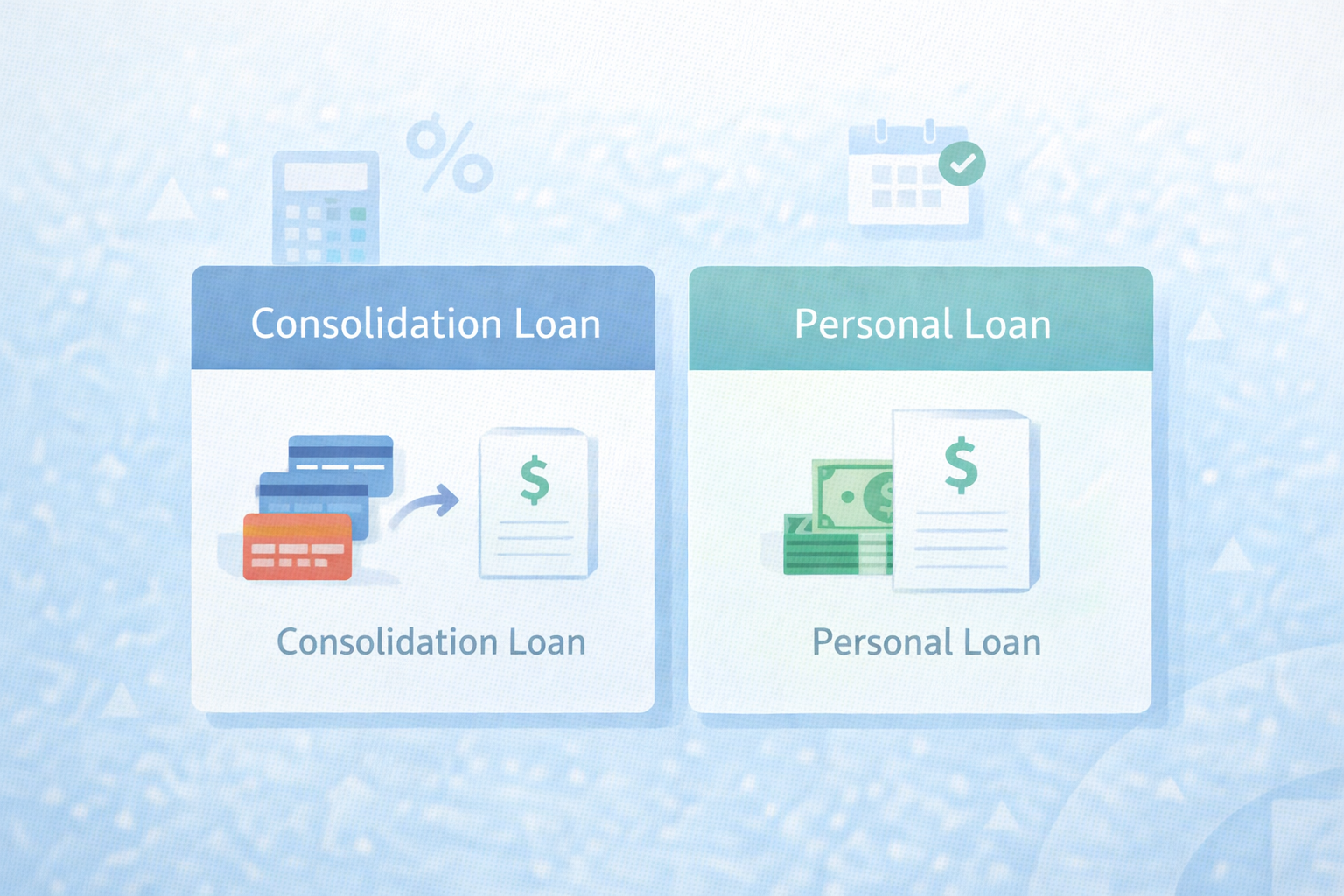
Whether you're covering unexpected expenses, making a big purchase, or just need extra cash, our personal loans offer simple, flexible funding tailored to your needs.

Learn more...

Consolidation Loans

Simplify your finances with a loan that combines multiple payments into one. Our consolidation loans help reduce stress and keep your budget on track.

Learn more...

Home Improvement Loans

Upgrade your living space with financing designed for renovations, repairs, or remodeling. Our home improvement loans help you enhance your home’s comfort, value, and functionality—on your terms.

Learn more...

Symple Insights

Explore expert insights, financial tips, and strategic guidance from the Symple Lending team. Our insights and resource articles are your go-to source for empowering content that helps you make informed decisions on your journey to financial freedom.

Learn More...

Symple News

Stay up-to-date with the latest press releases, media features, and major announcements from Symple Lending. This section showcases how we're making headlines and driving innovation in the lending industry.

Learn More...

2 min read

Co-Signer vs. Co-Borrower: Which Option Helps You Get Approved?

Co-Signer vs. Co-Borrower: Which Option Helps You Get Approved?
4:18

Getting a 'no' on a loan application is discouraging, especially for first-time borrowers. If your credit is still thin, you might feel stuck. But bringing someone on board can be the key to getting the loan approval you need, even if you're worried about getting a loan with bad credit.

This leads to a critical choice: co-signer vs. co-borrower. While the roles sound similar, they carry vastly different responsibilities for ownership and debt—a distinction that protects both you and the person helping you.

What Is a Co-Signer? Your Financial Safety Net

Think of a co-signer as your loan’s financial safety net. By adding their strong credit history to your application, they are guaranteeing the loan for the lender. This vote of confidence can be the key to getting your application approved when your own credit or income isn't quite strong enough yet.

The crucial trade-off, however, involves liability versus ownership. Your co-signer is 100% responsible for the loan but has 0% ownership of what you buy. If you default—which simply means you stop making payments—the co-signer is legally required to pay back the entire debt. This is the single biggest risk of being a co-signer.

This shared responsibility also extends to both of your credit reports. Since just one late payment can damage both credit scores, the arrangement requires a huge amount of trust. But if the person helping you should also be a part-owner of the purchase, a different role is needed.

What Is a Co-Borrower? Your Loan Teammate

Instead of a safety net, a co-borrower is your loan teammate. You apply as equal partners, which means you both have ownership rights to whatever you buy. If you and your partner are co-borrowers on an auto loan, for example, you both legally own the car, unlike with a co-signer.

Lenders also see you as a team during the joint loan application process. They will often combine your incomes to assess your shared debt-to-income ratio (DTI)—a key measure of your monthly bills versus your income. A stronger combined financial picture can make your application much more attractive and easier to approve.

However, this partnership means you’re both equally responsible for the entire debt, a concept called joint liability. A single missed payment can damage both of your credit scores, and the lender can legally seek full repayment from either one of you. This shared risk and reward is the fundamental difference from using a co-signer.

How to Choose: Key Differences That Matter for Your Loan

Should you get a co-signer or a co-borrower? The choice almost always boils down to one simple question: who will own the asset? Answering this clarifies the key difference and sets clear expectations for everyone involved from day one.

Use this quick guide to make the right call:

  • Choose a CO-SIGNER if: You are the sole owner and user of the asset (e.g., your first car).
  • Choose a CO-BORROWER if: You are sharing ownership and responsibility (e.g., a car you and a spouse will both drive).

For either path, boosting your own financial profile is a crucial step forward.

Get Approved and Move Forward with Confidence

Choosing between a co-signer (a financial safety net) and a co-borrower (a full teammate) is now clear. You can approach this important conversation with confidence, protecting both your finances and your relationship as you prepare to get a loan.

You’re equipped to make the smart choice for your situation. Take the next confident step and see what you qualify for.

Get Started with Symple Lending

Disclaimer: The information provided in this blog post is for educational and informational purposes only and should not be considered as financial, legal, investment, or tax advice. Symple Lending is not responsible for any financial outcomes resulting from following the information or ideas shared in this blog. Every individual's financial situation is unique, and we strongly encourage readers to take their own circumstances into consideration and consult with a qualified financial, legal, tax, and investment advisor before making any financial decisions. Symple Lending does not provide financial, legal, tax, or investment advice.

Co-Signer vs. Co-Borrower: Which Option Helps You Get Approved?

Co-Signer vs. Co-Borrower: Which Option Helps You Get Approved?

Getting a 'no' on a loan application is discouraging, especially for first-time borrowers. If your credit is still thin, you might feel stuck. But...

Continue Reading
11 Small Financial Tweaks That Make a Big Difference to Your Money

11 Small Financial Tweaks That Make a Big Difference to Your Money

Ever feel like your money evaporates despite your best intentions? You're not alone. A staggering 78% of Americans experience financial stress and...

Continue Reading
Common Loan Application Mistakes That Trigger Denials (and How to Fix Them)

Common Loan Application Mistakes That Trigger Denials (and How to Fix Them)

Most loan denials aren't caused by a bad credit score. In practice, they often happen because of simple, five-minute mistakes made right on the form....

Continue Reading
Common Loan Application Mistakes That Trigger Denials (and How to Fix Them)

Common Loan Application Mistakes That Trigger Denials (and How to Fix Them)

Most loan denials aren't caused by a bad credit score. In practice, they often happen because of simple, five-minute mistakes made right on the form....

Continue Reading
Creating Financial Stability: When a Personal Loan Helps and When It Hurts

Creating Financial Stability: When a Personal Loan Helps and When It Hurts

Did you know the average American carries over $100,000 in total existing debt when mortgages, auto loans, credit cards, student loan debt, and other...

Continue Reading
Employment & Income Verification Explained: How to Avoid Red Flags

Employment & Income Verification Explained: How to Avoid Red Flags

Navigating the loan process for the first time can be daunting. Understanding employment and income verification is crucial for a smooth experience....

Continue Reading