Skip to the main content.

Personal Loans

Whether you're covering unexpected expenses, making a big purchase, or just need extra cash, our personal loans offer simple, flexible funding tailored to your needs.

Learn more...

Consolidation Loans

Simplify your finances with a loan that combines multiple payments into one. Our consolidation loans help reduce stress and keep your budget on track.

Learn more...

Home Improvement Loans

Upgrade your living space with financing designed for renovations, repairs, or remodeling. Our home improvement loans help you enhance your home’s comfort, value, and functionality—on your terms.

Learn more...

Symple Insights

Explore expert insights, financial tips, and strategic guidance from the Symple Lending team. Our insights and resource articles are your go-to source for empowering content that helps you make informed decisions on your journey to financial freedom.

Learn More...

Symple News

Stay up-to-date with the latest press releases, media features, and major announcements from Symple Lending. This section showcases how we're making headlines and driving innovation in the lending industry.

Learn More...

6 min read

11 Small Financial Tweaks That Make a Big Difference to Your Money

11 Small Financial Tweaks That Make a Big Difference to Your Money
11:52

Ever feel like your money evaporates despite your best intentions? You're not alone. A staggering 78% of Americans experience financial stress and live paycheck to paycheck, yet financial transformation doesn't always require drastic measures.

The secret lies in small, strategic adjustments that compound over time. Like tiny rudder movements that gradually change a ship's course, these minimal-effort financial tips can significantly improve your financial health without the intimidation factor of a complete budget overhaul.

Save Money by Cutting Down on Recurring Subscriptions

Taking a good look at your monthly subscriptions can uncover hidden financial drains. Those unused streaming services, forgotten app memberships, or that gym membership you haven't used since January could be costing you hundreds of dollars each year.

unsubscribe-2Your bank's spending tracker or a simple budgeting app can help spot these recurring charges. Many tools now automatically flag subscriptions and show you exactly where your money goes each month.

Try scheduling a quarterly "subscription audit" to cancel services you no longer need. This small move frees up cash that you can redirect toward paying down debt or building your savings account, giving you breathing room in your budget without major lifestyle changes.

Align Bill Payment Schedules with Income

Does your money seem to disappear right before important bills are due? Simply matching your bill payment dates with when you get paid can prevent this cash crunch. This small adjustment helps your cash flow stay steady throughout the month.

pay dayMost service providers will let you change due dates; just contact customer service or check their website for the option. For example, if you get paid on the 1st and 15th, try setting half your bills for the 5th and half for the 20th.

This approach works especially well if your income varies month to month, giving you better control over your money and helping you avoid those frustrating late fees that can add up over time.

Establish Automatic Savings Transfers

Setting up small, automatic transfers from your checking to savings account might be the simplest fix to your financial plan with the biggest impact. Think of it as "paying yourself first" before that money can disappear into everyday spending.

auto savings transferYou have several easy options: your bank's app, payroll deductions, or splitting your direct deposit between accounts on payday. The automation means you'll be adding consistent contributions to your savings goals without thinking about it.

Start with whatever feels comfortable: even $10-50 monthly. These small amounts build momentum without straining your budget. Some apps even round up your purchases and save the spare change, allowing you to save while staying financially secure.

As you start making contributions to your savings account and get more comfortable financially, you can start adding on automatic contributions to other accounts as well (retirement savings, investment accounts, brokerage accounts, or accounts dedicated to your other financial goals). The beauty of this tweak is that once set up, your savings grow in the background while you focus on everything else in your life.

Consolidate and Pay Off Small Debts

Having several small debts can feel overwhelming and cost you more in interest. Combining these debts into one loan or balance transfer can simplify your finances and potentially lower your overall payments. While it may be impossible to avoid debt altogether, try not to take on any additional debt while you work to eliminate off your existing balances.

debt payoff-1Start by listing all your debts with their interest rates. Then look into consolidation options that offer better terms. Many credit card companies offer promotional rates for balance transfers, or you might qualify for a personal loan with a lower rate.

Don't hesitate to contact your creditors directly; they're often willing to work with you on better rates or payment plans. When you get extra money like tax refunds, putting it toward these smaller debts can give you a quick win that feels great and helps contribute to your financial plan.

Audit and Refresh Your Budget to Align with Financial Goals

After winter, it's a great time to check your budget for areas where money might be slipping away. Look at your recent spending in categories like utilities, groceries, or dining out; your banking app or budget tool can show where you might be overspending.

financial goals-3Instead of making drastic cuts, simply move money from less important categories (housing, utilities, emergency savings, holiday budgets, discretionary spending, etc.) to align with your financial goals. Maybe you're spending less on heating but need more for spring activities or home repairs.

Try tracking your spending with simple visual charts or quick weekly check-ins of your checking account. These small financial tweaks help keep your budget working for your real life, not against it. Regular monitoring helps you spot patterns and make adjustments before small issues become big problems.

Monitor Your Credit and Pull Reports

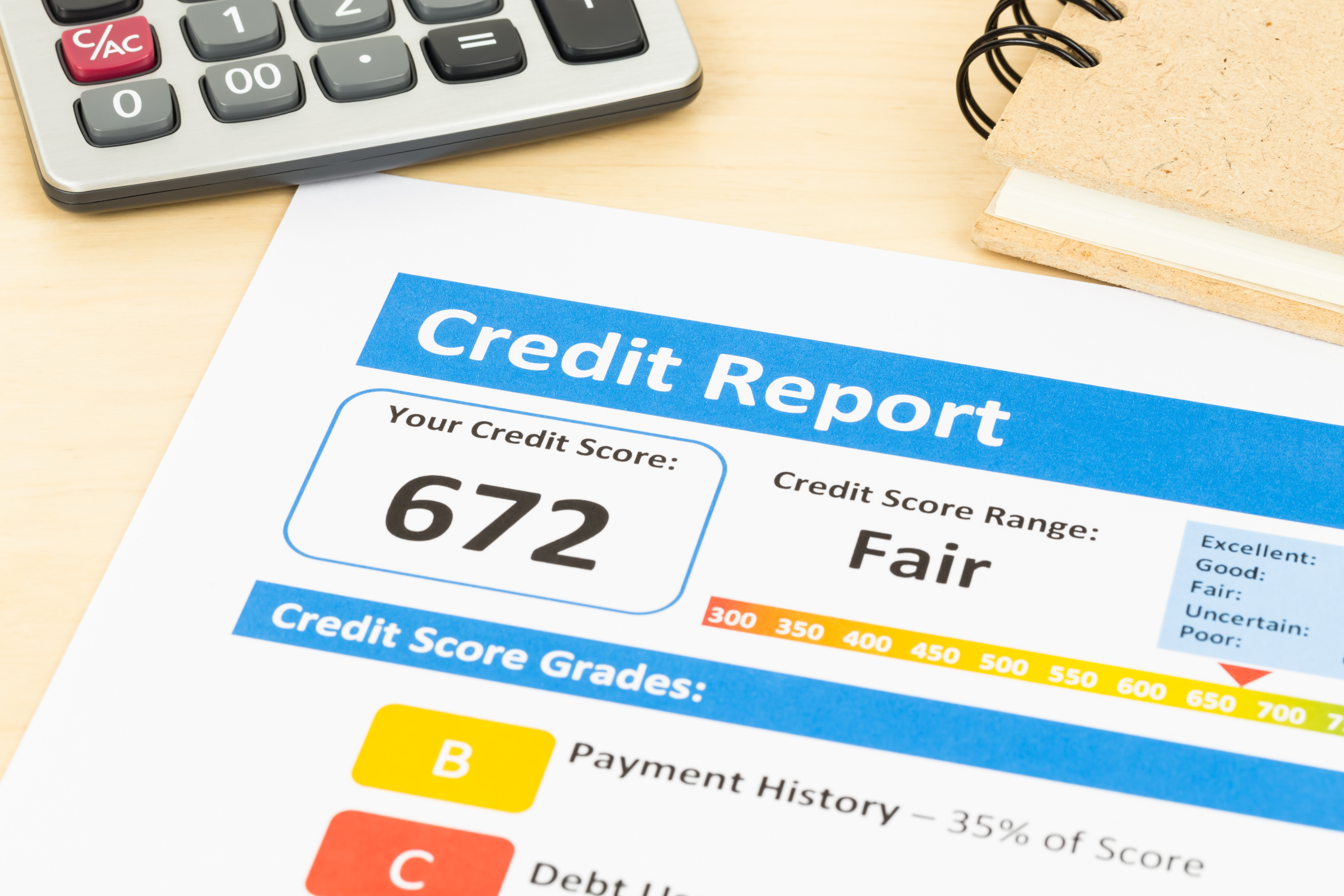
Checking your credit report regularly is one small way to make a big difference. Get your free annual credit reports through AnnualCreditReport.com and carefully review for errors like accounts you don't recognize or incorrect balances.

credit reportIf you spot mistakes, dispute them promptly, as errors can unfairly lower your credit score and cost you money through higher interest rates. Spring is a natural time for this financial check-up, similar to how we handle other seasonal maintenance.

Regular monitoring protects you from identity theft and ensures you're ready when you need to borrow. This simple habit takes just minutes but can save you significant stress and money in the long run.

Assess and Negotiate Insurance Rates

When was the last time you checked if you're overpaying for insurance? Contact your auto, home, or life insurance providers and ask about available discounts. Many companies offer reduced rates for bundling policies, safe driver programs, home security systems, or simply being a loyal customer.

negotiationWith insurance rates rising by 11% in 2024, a quick phone call could cut your premiums by 20-30%. Ask specifically about discounts for taking defensive driving classes, installing smart home devices, or maintaining good credit.



Spring is an ideal time for this financial check-up, as many insurers run promotions during the spring season. This small financial adjustment requires minimal effort but can free up monthly cash that adds up to hundreds in yearly savings.

Set Savings Goals for Building an Emergency Fund

Starting an emergency fund doesn't require a large initial deposit; even setting aside $10 a month towards your savings goals adds up over time. Set up a separate, high-yield savings account that's easy to access when unexpected expenses arise but not so convenient that you dip into it regularly.

emergency fund-Feb-18-2026-07-47-24-5793-PMThink of this fund as building financial security in small steps. You can grow it through automatic transfers, depositing your tax refund, or adding small windfalls when they come your way.

Your goal is to eventually have 3-6 months of expenses saved, but don't let that number intimidate you. This simple savings suggestion creates a buffer between you and financial emergencies, reducing stress and giving you options when life throws surprises your way.

Eliminate Unnecessary Spending Categories

Take some time to review where your money went this winter. Look for spending categories you can trim, like dining out, subscription services, or impulse buys. Small adjustments here can make a big difference.

unnecessary spendingTry simple money-saving approaches to avoid overspending: make a shopping list and stick to it, switch to cash for certain expenses, set aside a predetermined amount for each expense category, or challenge yourself to no-spend weekends. Brewing coffee at home instead of buying it daily could save you around $700 annually.

Other quick wins to save money include buying household items in bulk, rotating streaming services instead of subscribing to all simultaneously, or bringing lunch to work a few days each week. These small financial tweaks add up without drastically changing your lifestyle, helping your budget bloom this spring.

Plan Ahead with Regular Financial Check-Ins

Set quarterly "money dates" with yourself to review your financial progress. These brief check-ins help you stay on track without feeling overwhelmed. During these sessions, look at your goals, check your progress, and identify any issues before they grow larger, and plan ahead to make the necessary adjustments to endure you stay on track with your financial goals.

plan aheadTake time to celebrate small victories too, like reducing debt or hitting a savings target. Acknowledging these wins keeps you motivated and makes financial management feel rewarding rather than restrictive.

The power of these regular check-ins comes from consistency rather than intensity. Using a simple app to track trends makes this process quick and painless. This gentle, routine approach to monitoring your money creates lasting habits that quietly improve your financial health over time.

Prepare for Seasonal Spending Patterns

Looking at your past performance for spring and summer spending now can help you plan ahead for upcoming expenses. Check your bank statements or budget app to see what you spent on last year's vacations, home projects, or outdoor activities.

seasonal spendingCreate small "sinking funds" for these expected costs; setting aside a little money each week for summer plans helps prevent budget stress later. If you're expecting a tax refund, consider dedicating a portion to these seasonal expenses.

Watch for spring sales on items you'll need, but always shop with a plan to avoid impulse purchases. This simple money move of anticipating seasonal spending helps your budget stay on track as the weather warms up, preventing those small purchases from becoming major budget headaches.

Small Steps Lead to Big Financial Gains

Implementing even three or four of these small tweaks to your financial strategy can create noticeable improvement in your relationship with money and wealth within 90 days. The beauty lies not in their complexity, but in their simplicity; small, consistent actions that anyone can take regardless of income level or financial expertise.

The key takeaway is that financial success isn't built through grand gestures but through mindful, regular habits. By incorporating these manageable changes into your routine, you're not just adjusting numbers, you're gradually shifting your relationship with money toward greater control, confidence, and freedom.

Disclaimer: The information provided in this blog post is for educational and informational purposes only and should not be considered as financial, legal, investment, or tax advice. Symple Lending is not responsible for any financial outcomes resulting from following the information or ideas shared in this blog. Every individual's financial situation is unique, and we strongly encourage readers to take their own circumstances into consideration and consult with a qualified financial, legal, tax, and investment advisor before making any financial decisions. Symple Lending does not provide financial, legal, tax, or investment advice.

11 Small Financial Tweaks That Make a Big Difference to Your Money

11 Small Financial Tweaks That Make a Big Difference to Your Money

Ever feel like your money evaporates despite your best intentions? You're not alone. A staggering 78% of Americans experience financial stress and...

Continue Reading
Common Loan Application Mistakes That Trigger Denials (and How to Fix Them)

Common Loan Application Mistakes That Trigger Denials (and How to Fix Them)

Most loan denials aren't caused by a bad credit score. In practice, they often happen because of simple, five-minute mistakes made right on the form....

Continue Reading
Pre-Qualification vs. Pre-Approval: Which One Improves Your Approval Odds?

Pre-Qualification vs. Pre-Approval: Which One Improves Your Approval Odds?

Navigating the loan process can be daunting for first-time borrowers. Understanding the difference between loan pre-qualification and pre-approval is...

Continue Reading
Common Loan Application Mistakes That Trigger Denials (and How to Fix Them)

Common Loan Application Mistakes That Trigger Denials (and How to Fix Them)

Most loan denials aren't caused by a bad credit score. In practice, they often happen because of simple, five-minute mistakes made right on the form....

Continue Reading
9 Last-Minute Holiday Budgeting Hacks That Actually Work

9 Last-Minute Holiday Budgeting Hacks That Actually Work

Ever find yourself staring at your calendar in mid-December, wondering how the holidays snuck up so quickly? While everyone else seems to have their...

Continue Reading
9 Forgotten Seasonal Expenses in December That Can Break Your Budget

9 Forgotten Seasonal Expenses in December That Can Break Your Budget

Did you know the average American spends nearly 30% more in December than any other month? While everyone expects to buy gifts for various holidays,...

Continue Reading