Skip to the main content.

Personal Loans

Whether you're covering unexpected expenses, making a big purchase, or just need extra cash, our personal loans offer simple, flexible funding tailored to your needs.

Learn more...

Consolidation Loans

Simplify your finances with a loan that combines multiple payments into one. Our consolidation loans help reduce stress and keep your budget on track.

Learn more...

Home Improvement Loans

Upgrade your living space with financing designed for renovations, repairs, or remodeling. Our home improvement loans help you enhance your home’s comfort, value, and functionality—on your terms.

Learn more...

Symple Insights

Explore expert insights, financial tips, and strategic guidance from the Symple Lending team. Our insights and resource articles are your go-to source for empowering content that helps you make informed decisions on your journey to financial freedom.

Learn More...

Symple News

Stay up-to-date with the latest press releases, media features, and major announcements from Symple Lending. This section showcases how we're making headlines and driving innovation in the lending industry.

Learn More...

5 min read

The 30-Minute Monthly Review Template That Prevents Surprises

The 30-Minute Monthly Review Template That Prevents Surprises
9:55

Ever wondered why your carefully planned budget still leaves you with unexpected financial headaches? The culprit might be as simple as not having a regular check-in with your money.

Think of monthly financial reviews as your financial GPS: they show you exactly where you are, alert you to potential roadblocks ahead, and help you navigate toward your financial goals with confidence. With just 20-30 minutes each month and a straightforward template, you can transform financial surprises from anxiety-inducing emergencies into manageable minor adjustments.

Why Financial Surprises Happen (And How to Prevent Them)

Ever gotten that unexpected bill that throws your whole month off track? You're not alone. Financial surprises typically happen when we lose track of cash flow and expenses.

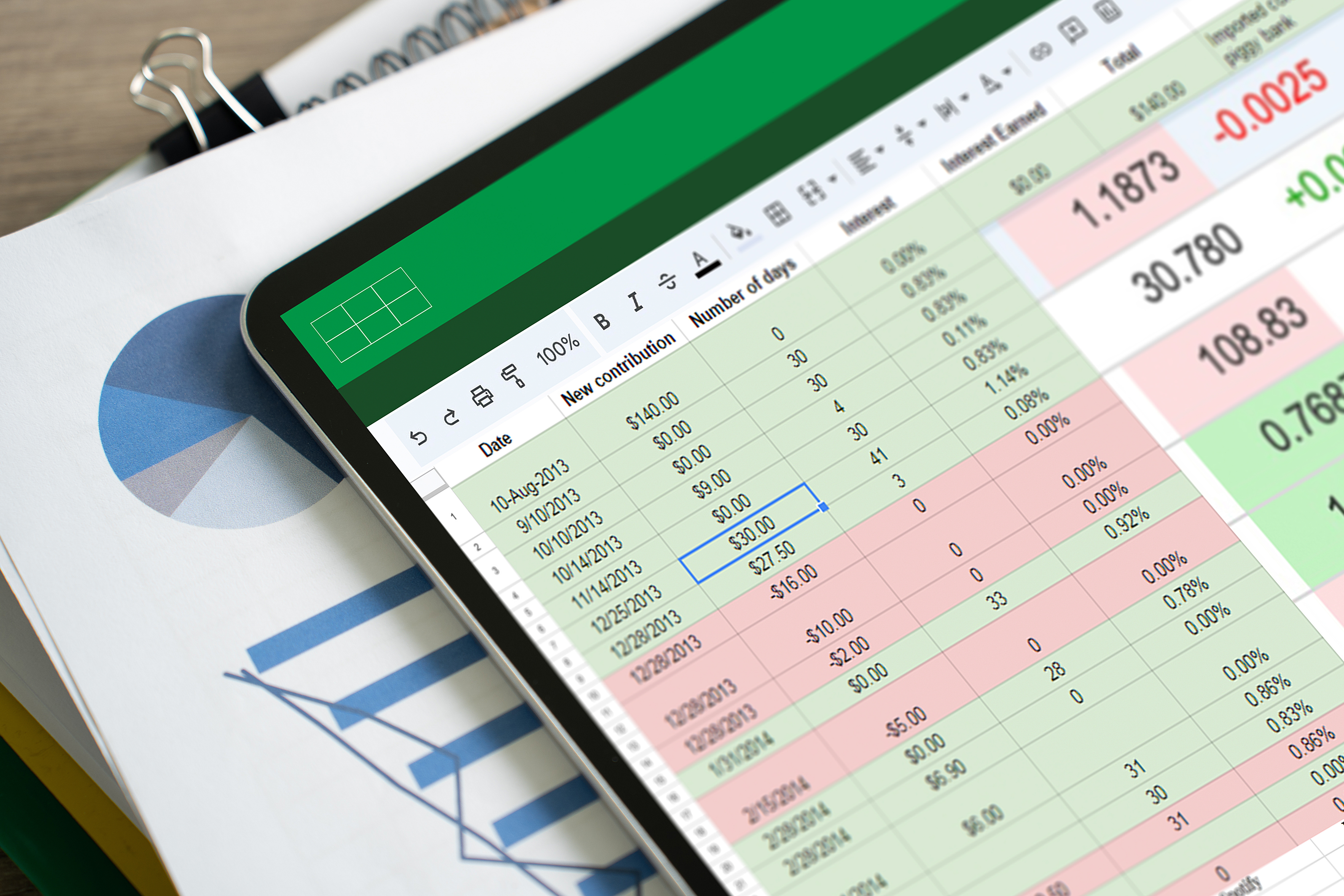
Think of monthly financial reviews as the equivalent of checking your car's oil regularly; it prevents breakdowns before they happen. Just 20-30 minutes reviewing your bank account each month can spot potential issues before they grow into bigger problems.financial spreadsheet

These regular check-ins aren't complicated. You just need:

  • A basic spreadsheet
  • Your financial statements
  • A consistent schedule

The best part? This simple monthly habit creates financial certainty. When you track accounts, spending patterns, and upcoming bills, you build awareness of your true financial position. This awareness helps you make small, timely adjustments rather than emergency interventions.

With a straightforward template for your monthly review, you'll catch rising expenses or payment delays early, giving you time to address them before they impact your bottom line.

Why Monthly Financial Reviews Matter

Think of a monthly financial review as your early warning system. When expenses creep up or payments come in late, catching these issues early prevents them from snowballing into cash shortages. It's like noticing a small leak before your basement floods.

These regular check-ins significantly reduce financial stress. When you compare actual results against your budget, you'll immediately see where things are off track. This variance analysis highlights problems that need attention and gives you peace of mind about areas performing as expected.

Monthly reviews also strengthen your planning abilities. By tracking trends over time and comparing year-to-date figures, you'll make more informed decisions about resource allocation. You'll spot seasonal patterns, have a better idea of how much extra money you bring in each month, and can prepare accordingly instead of being caught off guard.

The simple act of reviewing your numbers monthly creates a financial rhythm that builds confidence. Rather than wondering about your financial status, you'll know exactly where you stand, and that knowledge is power when making business or personal finance decisions.

What to Include in a Monthly Review

Your monthly financial check-up doesn't need to be complicated, but it should cover these five key expense categories:

  1. Account balances: Know exactly what you own and owe by keeping track of your checking and savings account, as well as your emergency fund
  2. Spending patterns: Compare your actual income and expenses against your budget
  3. Upcoming bills: Review your accounts payable aging to avoid late payments
  4. Progress toward financial goals: Monitor budget variances to see if you're on target and meeting all debt payments
  5. Cash flow changes: Monitor money coming in and going out to prevent shortfalls

When you regularly assess these components, you'll start noticing patterns that might otherwise slip by. Maybe costs are gradually increasing, or you notice you're making payments more frequently in certain spending categories. These insights give you control before problems occur.

The real value comes from spotting these trends early. Instead of being surprised by a cash crunch, you can make small adjustments along the way; perhaps negotiating better terms with creditors or improving your financial process. This proactive approach keeps your finances stable and predictable.

The Simple Monthly Review Template

Want to make financial reviews a breeze? Create a repeatable monthly checklist that includes these essential components:

  • Income statement
  • Balance sheet
  • Cash flow statement
  • Accounts receivable/payable aging
  • Key metrics like revenue, expenses, and profit margins

Keep your reviews to 20-30 minutes by focusing on what matters most. Use dashboards with executive summaries and graphs that give you quick insights at a glance. Year-to-date figures help spot trends without getting lost in details.

The secret to successful money reviews isn't complexity, it's consistency. A simple Excel template can track everything you need. Many pre-built templates are available that you can customize to fit your specific situation.

Remember: the goal isn't to become a financial analyst. The goal is to form a habit that prevents surprises and builds confidence. Start with a basic template, start with one month, and watch how your financial awareness grows with minimal effort.

When to Do Your Review

when to do your reviewSetting the right time for your monthly financial check-up makes all the difference in its effectiveness. Schedule it for a fixed date early in the month (the 5th works well for many people) when the previous month's data is complete but you still have plenty of time to address any issues you find.

Connect your financial review to something you already do regularly. For example, tie it to your payday, when you pay your monthly bills, or another consistent activity you never miss. This pairing technique helps turn the review into a natural habit rather than another task on your to-do list.

Avoid scheduling your review at month-end when you're likely feeling rushed with closing activities. Mid-month reviews give you breathing room to analyze properly and enough time to make corrections before the next month begins.

The perfect timing isn't about a specific date, it's about finding a regular slot that works with your schedule and sticking with it. Consistency trumps perfect timing every time.

Turning Insight Into Action

The real power of monthly money reviews comes from what you do with the information you gather. Once you've spotted trends or variances, take small, measured steps rather than making sweeping changes. For instance, if you notice costs of bills increasing, you might renegotiate terms or research alternatives rather than immediately switching providers.

Small tweaks add up over time without disrupting your regular financial habits. Maybe you'll slightly adjust spending, modify payments, or reallocate resources based on data gathered from your review spreadsheet.

With each small correction, you'll build financial confidence. You'll see how these incremental changes improve your cash position month by month. This steady approach prevents the panic that comes with financial uncertainty and replaces it with a calm, methodical response to the signals your numbers are sending.

Take Action, Prevent Surprises

Your monthly financial check-up is like a regular health screening; it catches issues before they become serious problems. With just 20-30 minutes each month, you'll spot trends that could affect your cash flow before they surprise you.

Save your checklist template and reuse it each month. The consistency creates a financial rhythm where you're always aware of where you stand. Over time, you'll build a valuable report that helps you recognize seasonal patterns and make better spending decisions.

Remember that financial stability comes from regular attention, not occasional panic. When you consistently review your numbers, you move from reactive to proactive management. Small course corrections become the norm rather than emergency measures.

Consider partnering with financial services that support your goals. Whether you need better cash flow management or a better budgeting plan, working with professionals who understand your monthly numbers can provide additional clarity and accountability.

The most successful financial managers aren't the ones with the fanciest spreadsheets, they're the ones who show up monthly, check their numbers, and take small actions consistently.

Take Control Today

Financial peace doesn't come from having perfect numbers. It comes from having perfect awareness. Your monthly financial review isn't just another task; it's your personal financial early warning system that prevents small issues from becoming major crises.

Start this month with a simple template, schedule your recurring 30-minute check-in, and watch how quickly your financial confidence grows. Remember, the people with the most stable finances aren't necessarily those with the biggest accounts, they're the ones who consistently know their numbers and take small, decisive actions before problems arise.

Disclaimer: The information provided in this blog post is for educational and informational purposes only and should not be considered as financial, legal, investment, or tax advice. Symple Lending is not responsible for any financial outcomes resulting from following the information or ideas shared in this blog.  Every individual's financial situation is unique, and we strongly encourage readers to take their own circumstances into consideration and consult with a qualified financial, legal, tax, and investment advisor before making any financial decisions. Symple Lending does not provide financial, legal, tax, or investment advice.

7 Smart Solutions When Your Monthly Bills Suddenly Increase (Without Panicking)

7 Smart Solutions When Your Monthly Bills Suddenly Increase (Without Panicking)

Did you know the average household experiences at least three significant bill spikes each year? Yet most of us react as if they’re rare financial...

Continue Reading
The 30-Minute Monthly Review Template That Prevents Surprises

The 30-Minute Monthly Review Template That Prevents Surprises

Ever wondered why your carefully planned budget still leaves you with unexpected financial headaches? The culprit might be as simple as not having a...

Continue Reading
How to Streamline Your Finances With Simple Automation

How to Streamline Your Finances With Simple Automation

Did you know that the average American spends over 2 hours per week just managing basic financial tasks? That’s more than 100 hours annually; time...

Continue Reading
How to Streamline Your Finances With Simple Automation

How to Streamline Your Finances With Simple Automation

Did you know that the average American spends over 2 hours per week just managing basic financial tasks? That’s more than 100 hours annually; time...

Continue Reading
Transform Your Money Mindset: The Complete Guide to End-of-Year Financial Reflection

Transform Your Money Mindset: The Complete Guide to End-of-Year Financial Reflection

Did you know that people who regularly review their finances are twice as likely to achieve their long-term financial goals? Yet less than 30% of...

Continue Reading
Your Complete Financial Reset Guide for 2026: Transform Your Money Mindset in 5 Simple Steps

Your Complete Financial Reset Guide for 2026: Transform Your Money Mindset in 5 Simple Steps

Did you know that a majority of Americans report feeling stressed about money at least once a month? As we approach 2026, a financial reset isn’t...

Continue Reading