Skip to the main content.

Personal Loans

Whether you're covering unexpected expenses, making a big purchase, or just need extra cash, our personal loans offer simple, flexible funding tailored to your needs.

Learn more...

Consolidation Loans

Simplify your finances with a loan that combines multiple payments into one. Our consolidation loans help reduce stress and keep your budget on track.

Learn more...

Home Improvement Loans

Upgrade your living space with financing designed for renovations, repairs, or remodeling. Our home improvement loans help you enhance your home’s comfort, value, and functionality—on your terms.

Learn more...

Symple Insights

Explore expert insights, financial tips, and strategic guidance from the Symple Lending team. Our insights and resource articles are your go-to source for empowering content that helps you make informed decisions on your journey to financial freedom.

Learn More...

Symple News

Stay up-to-date with the latest press releases, media features, and major announcements from Symple Lending. This section showcases how we're making headlines and driving innovation in the lending industry.

Learn More...

7 min read

7 Smart Solutions When Your Monthly Bills Suddenly Increase (Without Panicking)

7 Smart Solutions When Your Monthly Bills Suddenly Increase (Without Panicking)
7 Smart Solutions When Your Monthly Bills Suddenly Increase
15:06

Did you know the average household experiences at least three significant bill spikes each year? Yet most of us react as if they’re rare financial emergencies. That moment when you open your monthly statement to find an unexpectedly large number can trigger immediate stress and worry about your financial stability.

These bill spikes often stem from normal external factors, such as seasonal demand changes, aging infrastructure, or market adjustments. In recent years, electricity prices have been steadily rising, outpacing inflation, and consumers are increasingly affected by these higher prices. Rising prices for essential services, like your electricity bill, are a key driver of sudden increases in monthly bills.

But here’s the reality: sudden bill increases are normal financial hiccups, not disasters. Understanding why they happen and having a simple response plan ready means you can navigate these surprises without derailing your budget or peace of mind.

When Your Electric Bill Suddenly Increases

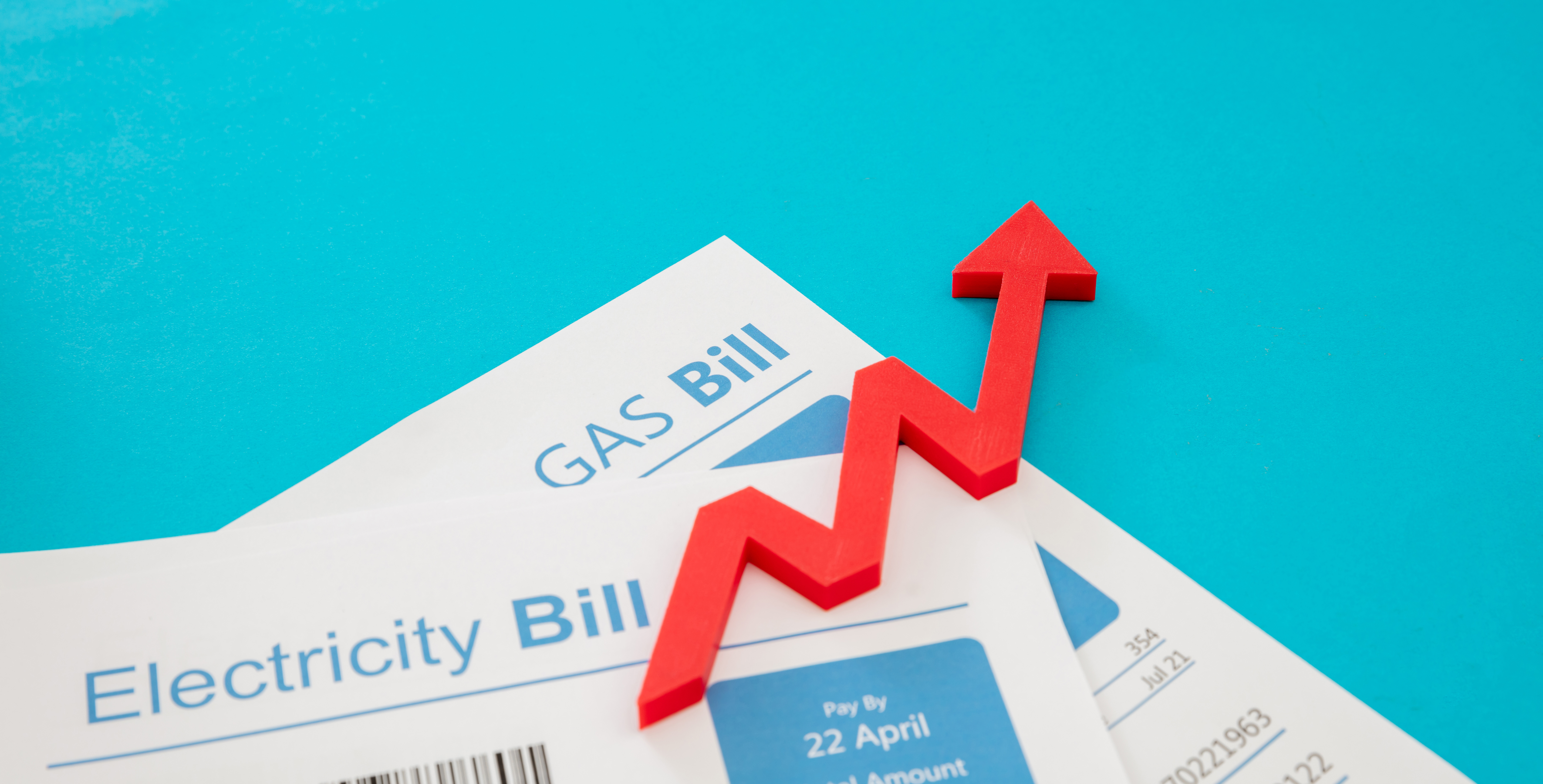
You open your utility bill and gasp at the figure: it's almost double last month's amount. Before panic sets in, take a deep breath. Sudden increases in utilities, insurance, or subscriptions happen to most households and don't mean your financial plans are derailed.electric and gas bill

These bill spikes often stem from normal external factors, such as seasonal demand changes, aging infrastructure, or market adjustments. In fact, data shows that temporary bill increases are a common household experience, not a sign of financial failure.

What's reassuring is that most unexpected cost jumps can be addressed with straightforward steps:

  • Compare your current statement with previous bills
  • Look for new fees or rate adjustments
  • Check if weather patterns affected your usage
  • Verify no billing errors occurred

Remember that utility companies often raise rates during peak seasons, promotional periods end without notice, and service providers may add new charges without prominent notifications.

The good news? With quick action, you can stabilize these costs and get back on track without major lifestyle changes.

Identifying Changes in Bills

When facing unexpected cost increases, start by laying your bills side by side. Compare your current statement with those from previous months and the same period last year to spot what’s changed.

Look specifically at:

  • Usage amounts (kilowatt hours, gallons, minutes)
  • Rate charges per unit
  • New fees labeled as “adjustments” or “rate changes”
  • Service charges that weren’t there before

Ask yourself: Is this a temporary spike or a permanent change? Summer electricity bills often jump 40-50% due to air conditioning alone. Winter heating follows similar patterns.

Check your bill’s fine print for notifications about:

  • End of promotional periods
  • Seasonal rate adjustments
  • Plan changes or upgrades
  • New regulatory fees

Don’t overlook potential errors. Meter misreadings happen more often than you might think, and billing mistakes aren’t uncommon. If numbers seem wildly off from your typical usage, there might be a simple explanation that a quick call can resolve. These steps help measure financial stability when unexpected bills arise.

Common Reasons for Bill Rises

Understanding why your monthly expenses suddenly jumped can help ease your anxiety. Here are the most typical causes:

Seasonal usage changes directly impact your bills. Your air conditioner working overtime during heat waves can double electricity costs. Similarly, heating systems in winter create noticeable spikes in gas or electric charges.price increases

Rate hikes from providers occur regularly due to:

  • Aging infrastructure needs repairs, which leads to higher electric bills as upgrades are necessary for safety and efficiency
  • New regulatory requirements
  • Increased operational costs, including rising inflation and tariffs on materials like steel and aluminum, that raise the cost of electricity
  • Grid maintenance issues, with the rising costs of maintaining the electricity grid contributing to higher electricity prices

Promotional periods ending often catch customers by surprise. That great introductory rate on your internet or streaming service typically converts to a standard (higher) price after 6-12 months.

Service upgrades or automatic plan switches can happen without you noticing the fine print. Your provider might have moved you to a different tier or added capacity charges.

Hidden energy issues like standby power from plugged-in devices, inefficient appliances, poor insulation, or even broken thermostats can cause unexpected cost increases that seem mysterious until measuring financial stability becomes essential.

Recognizing these patterns helps you address the root causes of sudden bill increases.

Immediate Steps to Stabilize Finances

When bills unexpectedly spike, you don't need to overhaul your entire budget. Instead, make temporary adjustments to weather the financial storm:

  • Save money by pausing discretionary spending, like dining out or entertainment subscriptions, for a short period
  • Keep essential expenses intact; this isn't about cutting necessities
  • Look at flexible costs you can temporarily reduce without feeling deprived

Conduct a quick usage audit by comparing your current meter readings with past periods. Small changes can have immediate effects:

  • Unplug unused electronics to eliminate "phantom loads" (saving up to 10%)
  • Adjust thermostat settings by just 2-3 degrees
  • Switch to LED bulbs in frequently used areas
  • Run major appliances during off-peak hours

Before making drastic changes, verify that no billing errors occurred. A simple call to your utility company might reveal mistakes that explain the sudden increase. Many providers offer payment plans or assistance programs if you're experiencing temporary hardship.

Remember, these measures are temporary bridges to help you maintain financial balance until you identify and address the underlying causes.

Options to Reduce or Offset the Increase

When facing sudden bill hikes, you have more control than you might think. Start by contacting your provider directly. This simple step often yields immediate results:

  • Ask about available discounts or lower-cost plans
  • Question any new fees or rate changes you’ve identified
  • Request a detailed explanation of usage history or a free audit
  • Inquire about fixed-rate options if you’re currently on variable pricing

Next, consider practical ways to reduce consumption without sacrificing comfort:

  • Install programmable thermostats to regulate temperature automatically
  • Shift high-energy activities to off-peak hours when rates are lower
  • Unplug devices when not in use (potentially saving 10-30% on electricity)
  • Replace less efficient appliances with ENERGY STAR models, which use 10-50% less energy and can lead to significant savings
  • Switch to LED bulbs, which use 75% less energy than traditional incandescent bulbs
  • Homeowners can save an average of 11% on total energy costs by air-sealing their homes and adding insulation, especially in attics and crawl spaces
  • Take shorter showers and reduce hot water usage to lower water heating-related electricity costs

Don’t overlook assistance programs that might help offset costs:

  • Budget billing plans that spread seasonal peaks across the year
  • Income-based discount programs are offered by many utility companies
  • Energy efficiency rebates for home improvements
  • Community assistance funds for temporary bill payment help
  • Community solar programs, which allow homeowners and renters to subscribe and offset rising electricity rates without upfront costs, make renewable energy savings accessible to more people

These approaches help you regain control over unexpected cost increases while maintaining your standard of living.

Optimizing Your Home

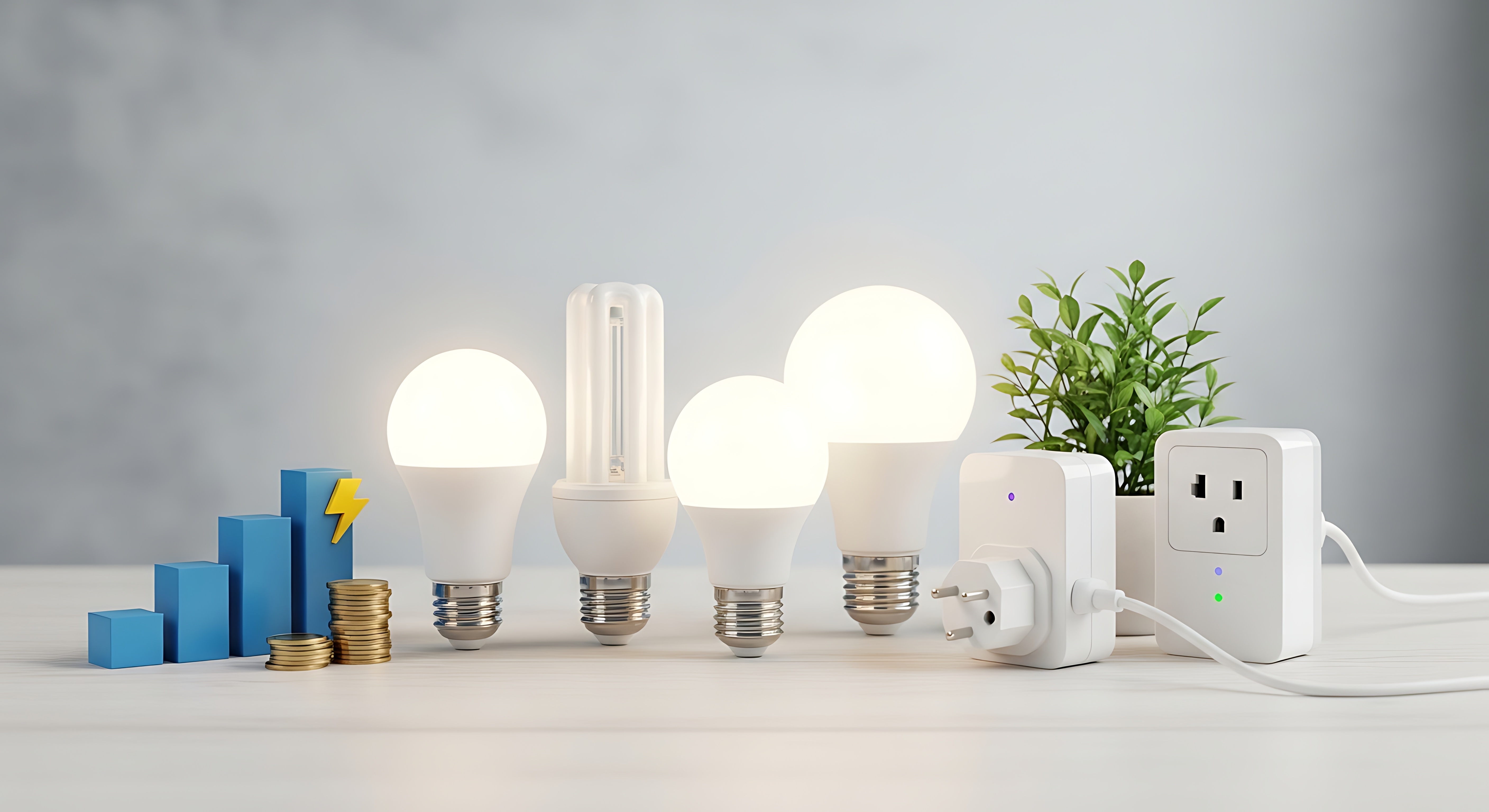
Small, consistent improvements in how your home uses energy can have a meaningful impact on your monthly electric bill over time. Large renovation projects are often expensive and difficult to maintain, but everyday efficiency upgrades play a bigger role in reducing energy costs than many homeowners realize. Improving your home’s energy efficiency helps lower electricity usage, keeps indoor temperatures more stable year-round, and reduces overall utility expenses. These benefits are often achieved through gradual changes rather than major projects.energy effieicient home

One of the most important areas to review is your home’s insulation. Inadequate insulation can significantly increase energy use, especially during periods of extreme temperatures. During colder months, heat can escape through attics, walls, and floors if insulation is insufficient, which causes heating systems to work harder and consume more electricity. In warmer months, poor insulation allows outside heat to enter the home, increasing the demand on air conditioning systems and raising cooling costs. Adding or improving insulation in key areas helps maintain consistent indoor temperatures and reduces the need for constant heating or cooling, which can lead to long-term savings.

Another effective improvement is sealing air leaks around doors and windows. Even small gaps can allow conditioned air to escape, increasing energy use and placing extra strain on heating and cooling systems. Sealing these openings with weatherstripping or caulk is a relatively inexpensive and straightforward task that can lead to noticeable reductions in utility bills. These adjustments require little maintenance and continue to provide savings over time.

Appliance and lighting choices also play an important role in overall energy consumption. Replacing older appliances with energy-efficient models and switching from incandescent bulbs to LED lighting can significantly reduce electricity use. LED bulbs use up to 75 percent less energy and last longer than traditional bulbs, making them a cost-effective option for most households. These upgrades contribute to lower energy use without requiring daily attention.

By focusing on insulation, sealing air leaks, and selecting energy-efficient products, you can reduce electricity usage, lower monthly bills, and better manage rising utility costs throughout the year. These changes do not require extensive renovation skills or large upfront investments. Making small, manageable improvements over time can increase comfort, reduce expenses, and support long-term financial stability.

Preventing Future Surprises

Once you’ve addressed an unexpected bill spike, take these steps to avoid future shocks:

Set up notification systems that warn you before bills increase:

  • Request email alerts for rate changes from your providers
  • Enable text notifications for bills exceeding your typical amount
  • Activate auto-pay reminders so payment dates don’t catch you off guard

Perform regular bill monitoring to spot trends early:

  • Schedule monthly reviews comparing current usage against previous periods
  • Track seasonal patterns so you can anticipate natural fluctuations
  • Conduct annual energy audits to identify gradual efficiency losses
  • Stay informed by reviewing research and reports on electricity prices, climate impacts, and utility rate trends

Use technology to maintain control:

  • Budget apps that flag unusual spending patterns
  • Mobile apps like YNAB or spreadsheets to track and categorize expenses and identify spending spikes
  • Smart meters providing real-time usage data
  • Programmable devices that automatically reduce consumption during peak pricing
  • Power strips with timers to eliminate standby power drain

Adopt smart budgeting strategies:

  • Try zero-based budgeting, which allocates every dollar to a specific expense until income minus expenses equals zero
  • Use the 50/30/20 rule: allocate 50% of take-home pay to needs, 30% to wants, and 20% to savings and debt repayment
  • Build a 3-6 month emergency fund to handle unexpected bill increases
  • Audit subscriptions and services regularly to cut unnecessary expenses and offset rising essential costs

These proactive measures help you stay ahead of potential increases and maintain financial stability with less stress. Small, consistent monitoring efforts prevent the shock of opening unexpectedly high bills.

Regaining Financial Balance

Sudden bill increases don't have to derail your financial stability. The path back to control starts with small, manageable steps rather than major life changes. What matters most is taking action; even one small step today can make a meaningful difference.

You might:

  • Call your utility company to check for billing errors
  • Set up an alert system to warn you about future increases
  • Unplug a few devices to reduce phantom power usage
  • Request information about assistance programs

Remember that financial resilience comes from adaptability. Each time you face and overcome a billing surprise, you build better financial stability measures for the future.

Market changes, seasonal shifts, and rate adjustments will continue to create occasional pressures on household budgets. What separates financially stable households isn't avoiding these challenges, it's having a straightforward plan to address them when they arise.

By taking just one action today, you'll feel more in control and better prepared for whatever financial challenges tomorrow brings.

Finding Your Financial Footing Again

Remember that a sudden bill increase is just one moment in your broader financial journey. Like encountering an unexpected detour on a road trip, it might temporarily slow you down, but it doesn't change your destination. The key is responding promptly without overreacting.

Take comfort in knowing you have options, from simple usage adjustments to assistance programs. Each time you successfully navigate a billing surprise, you're strengthening your financial resilience. By implementing even one preventive measure today, you're already taking back control and setting yourself up for greater financial stability tomorrow.

Disclaimer: The information provided in this blog post is for educational and informational purposes only and should not be considered as financial, legal, investment, or tax advice. Symple Lending is not responsible for any financial outcomes resulting from following the information or ideas shared in this blog.  Every individual's financial situation is unique, and we strongly encourage readers to take their own circumstances into consideration and consult with a qualified financial, legal, tax, and investment advisor before making any financial decisions. Symple Lending does not provide financial, legal, tax, or investment advice.

7 Smart Solutions When Your Monthly Bills Suddenly Increase (Without Panicking)

7 Smart Solutions When Your Monthly Bills Suddenly Increase (Without Panicking)

Did you know the average household experiences at least three significant bill spikes each year? Yet most of us react as if they’re rare financial...

Continue Reading
The 30-Minute Monthly Review Template That Prevents Surprises

The 30-Minute Monthly Review Template That Prevents Surprises

Ever wondered why your carefully planned budget still leaves you with unexpected financial headaches? The culprit might be as simple as not having a...

Continue Reading
How to Streamline Your Finances With Simple Automation

How to Streamline Your Finances With Simple Automation

Did you know that the average American spends over 2 hours per week just managing basic financial tasks? That’s more than 100 hours annually; time...

Continue Reading
The 30-Minute Monthly Review Template That Prevents Surprises

The 30-Minute Monthly Review Template That Prevents Surprises

Ever wondered why your carefully planned budget still leaves you with unexpected financial headaches? The culprit might be as simple as not having a...

Continue Reading
Transform Your Money Mindset: The Complete Guide to End-of-Year Financial Reflection

Transform Your Money Mindset: The Complete Guide to End-of-Year Financial Reflection

Did you know that people who regularly review their finances are twice as likely to achieve their long-term financial goals? Yet less than 30% of...

Continue Reading
How to Set Financial Resolutions That Actually Stick: Your Blueprint for Success

How to Set Financial Resolutions That Actually Stick: Your Blueprint for Success

Did you know that a majority of financial resolutions are abandoned by mid-February? It’s a startling statistic that reveals a crucial truth: the...

Continue Reading