The 2026 Debt Elimination Option Most Banks Don’t Proactively Share
If you walk into a bank or log into your credit card account, you’ll see the same familiar options:
Whether you're covering unexpected expenses, making a big purchase, or just need extra cash, our personal loans offer simple, flexible funding tailored to your needs.
Simplify your finances with a loan that combines multiple payments into one. Our consolidation loans help reduce stress and keep your budget on track.
Upgrade your living space with financing designed for renovations, repairs, or remodeling. Our home improvement loans help you enhance your home’s comfort, value, and functionality—on your terms.
Explore expert insights, financial tips, and strategic guidance from the Symple Lending team. Our insights and resource articles are your go-to source for empowering content that helps you make informed decisions on your journey to financial freedom.
Stay up-to-date with the latest press releases, media features, and major announcements from Symple Lending. This section showcases how we're making headlines and driving innovation in the lending industry.
2 min read
Breanne Neely
:
Updated on March 24, 2026
Staring at a $5,000 credit card balance with a 24% rate is stressful, but swapping it for a 10% personal loan could save you thousands. Unlike a mortgage, these are typically unsecured debts—meaning no collateral is required—that lock in stable, fixed personal loan interest rates. Effectively using this financial tool allows you to stop renting your debt and finally pay it off.
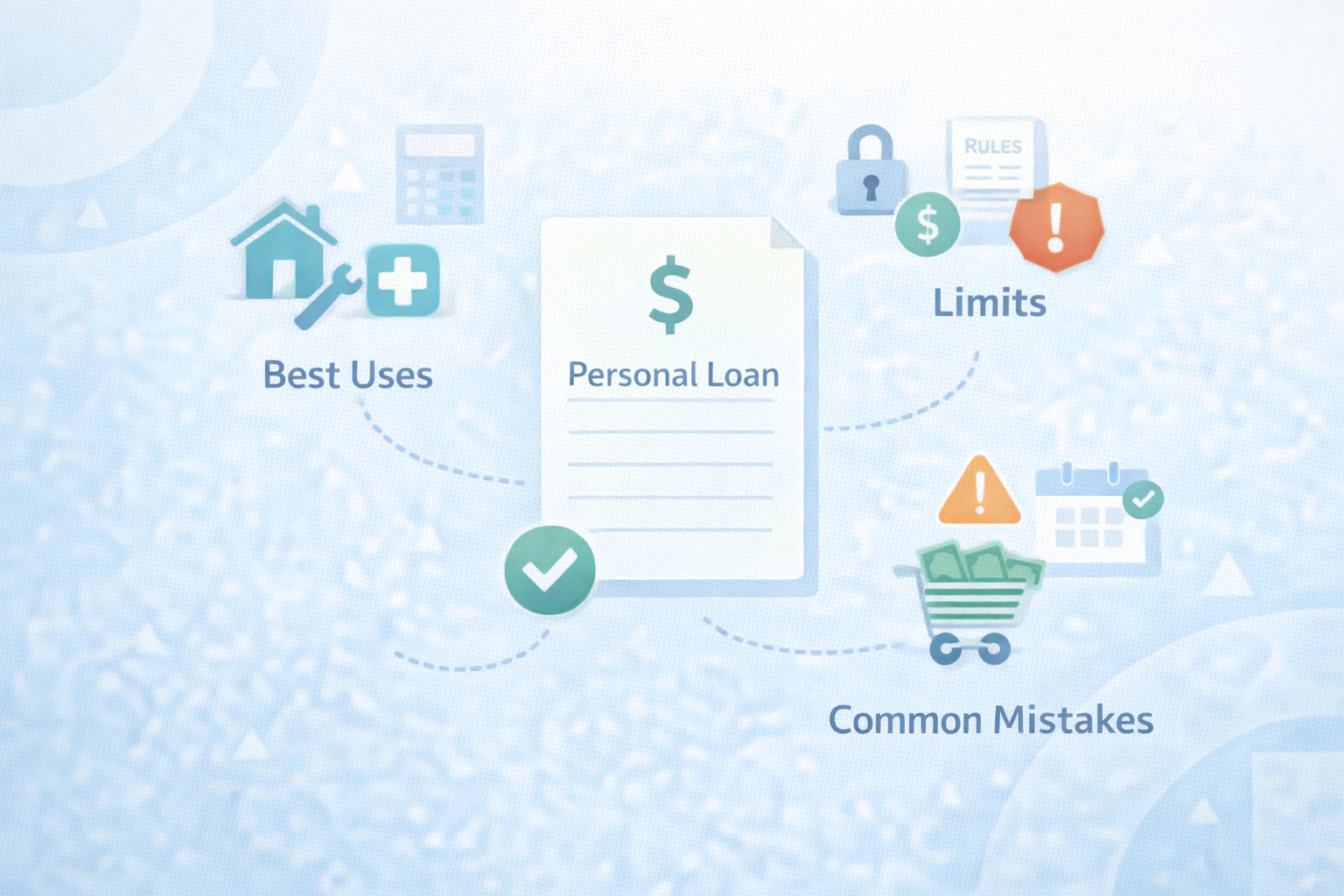
While you can use a personal loan for almost anything, smart borrowing focuses on "productive" debt that solves a problem or builds value. Using personal loan debt consolidation rates to lower your monthly interest payments puts cash back in your pocket, whereas funding a luxury vacation simply adds future costs for a fleeting memory. Lenders also look favorably on specific personal loan uses that suggest financial responsibility.
Common "productive" scenarios include:
Even if you have a valid reason to borrow, approval depends on a metric called the Debt-to-Income Ratio (DTI). This number tells lenders how much of your monthly paycheck is already "spoken for" by existing bills like rent, student loans, or car notes. Lenders use the debt-to-income ratio for loan approval to ensure you aren't overextending yourself; generally, if more than 36% to 40% of your gross income goes to debt repayment, you may face lower borrowing limits or rejection.
Focusing only on the interest rate is a mistake because it doesn't capture the full cost of borrowing. You need to look at the Annual Percentage Rate (APR), which combines the interest rate with origination fees and hidden loan costs. Think of the origination fee as a "cover charge" to get the loan; lenders often deduct this 1% to 8% directly from the funds sent to your bank account. Additionally, smart borrowers always ask, "Can I pay off a personal loan early?" While most reputable lenders allow this, you must check the fine print for prepayment penalties that charge you extra for clearing your debt ahead of schedule.
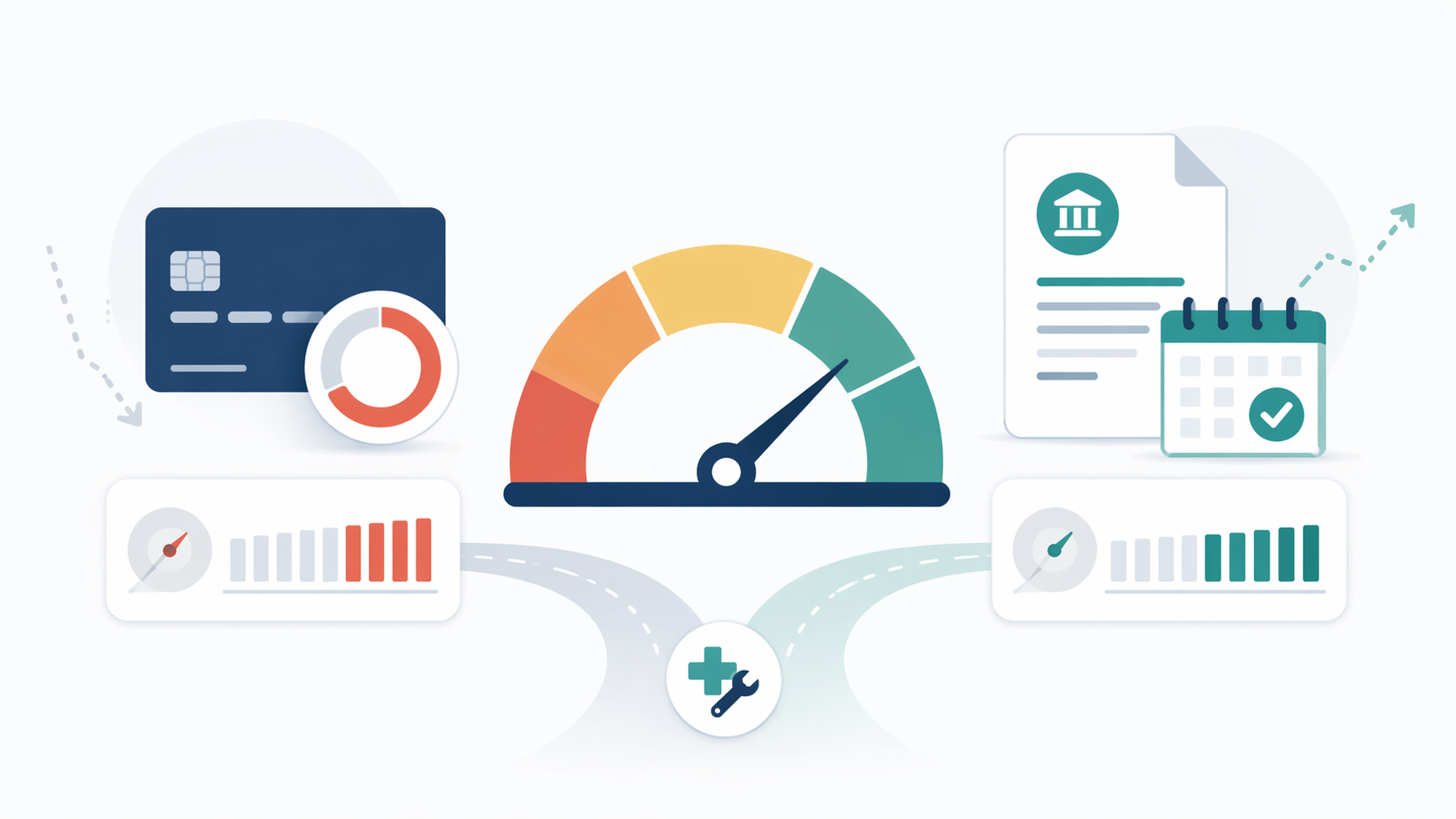
Beyond the fees, applying for a loan triggers a "hard inquiry," which causes a temporary dip in your credit rating. Ideally, this is offset later by on-time payments, but you should understand how does a personal loan affect credit score initially so you aren't surprised. While shopping for terms, stay vigilant for predatory lending red flags to avoid, as scammers frequently target stressed borrowers:
You now possess the clarity to distinguish a financial lifeline from a debt trap. Before signing, ask yourself: Is this loan actually solving the problem, or just moving it? To secure the lowest possible APR, start here:
Disclaimer: The information provided in this blog post is for educational and informational purposes only and should not be considered as financial, legal, investment, or tax advice. Symple Lending is not responsible for any financial outcomes resulting from following the information or ideas shared in this blog. Every individual's financial situation is unique, and we strongly encourage readers to take their own circumstances into consideration and consult with a qualified financial, legal, tax, and investment advisor before making any financial decisions. Symple Lending does not provide financial, legal, tax, or investment advice.
If you walk into a bank or log into your credit card account, you’ll see the same familiar options:
The average homeowner spends between $1,000 and $10,000 on unexpected home repairs every year, and most aren't prepared for it. That single reality...
That 5.9% billboard rate looks fantastic, but what lurks beneath the surface could cost you hundreds. According to consumer advocates, borrowing...
1 min read
Ever wondered why personal loans have become a financial lifeline for those navigating the unpredictable waters of midlife? Unlike the structured...
1 min read
Did you know that the average American carries over $5,000 in credit card debt, often paying interest rates that make financial progress feel like...
1 min read
You’ve likely heard that applying for new credit temporarily lowers your rating. While experts confirm a short-term dip is normal, the link between ...