Personal Loan Income Requirements: Minimums, What Counts as Income, and Proof You’ll Need
Thinking about a personal loan? The first question that probably comes to mind is, “Do I make enough money to get approved?” While salary matters,...
Whether you're covering unexpected expenses, making a big purchase, or just need extra cash, our personal loans offer simple, flexible funding tailored to your needs.
Simplify your finances with a loan that combines multiple payments into one. Our consolidation loans help reduce stress and keep your budget on track.
Upgrade your living space with financing designed for renovations, repairs, or remodeling. Our home improvement loans help you enhance your home’s comfort, value, and functionality—on your terms.
Explore expert insights, financial tips, and strategic guidance from the Symple Lending team. Our insights and resource articles are your go-to source for empowering content that helps you make informed decisions on your journey to financial freedom.
Stay up-to-date with the latest press releases, media features, and major announcements from Symple Lending. This section showcases how we're making headlines and driving innovation in the lending industry.
2 min read
Breanne Neely
:
March 1, 2026
Thinking about a personal loan? The first question that probably comes to mind is, “Do I make enough money to get approved?” While salary matters, lenders are often more focused on a simpler idea: verifiable income. This just means a consistent flow of cash you can prove with official documents, and you might be surprised by what qualifies.
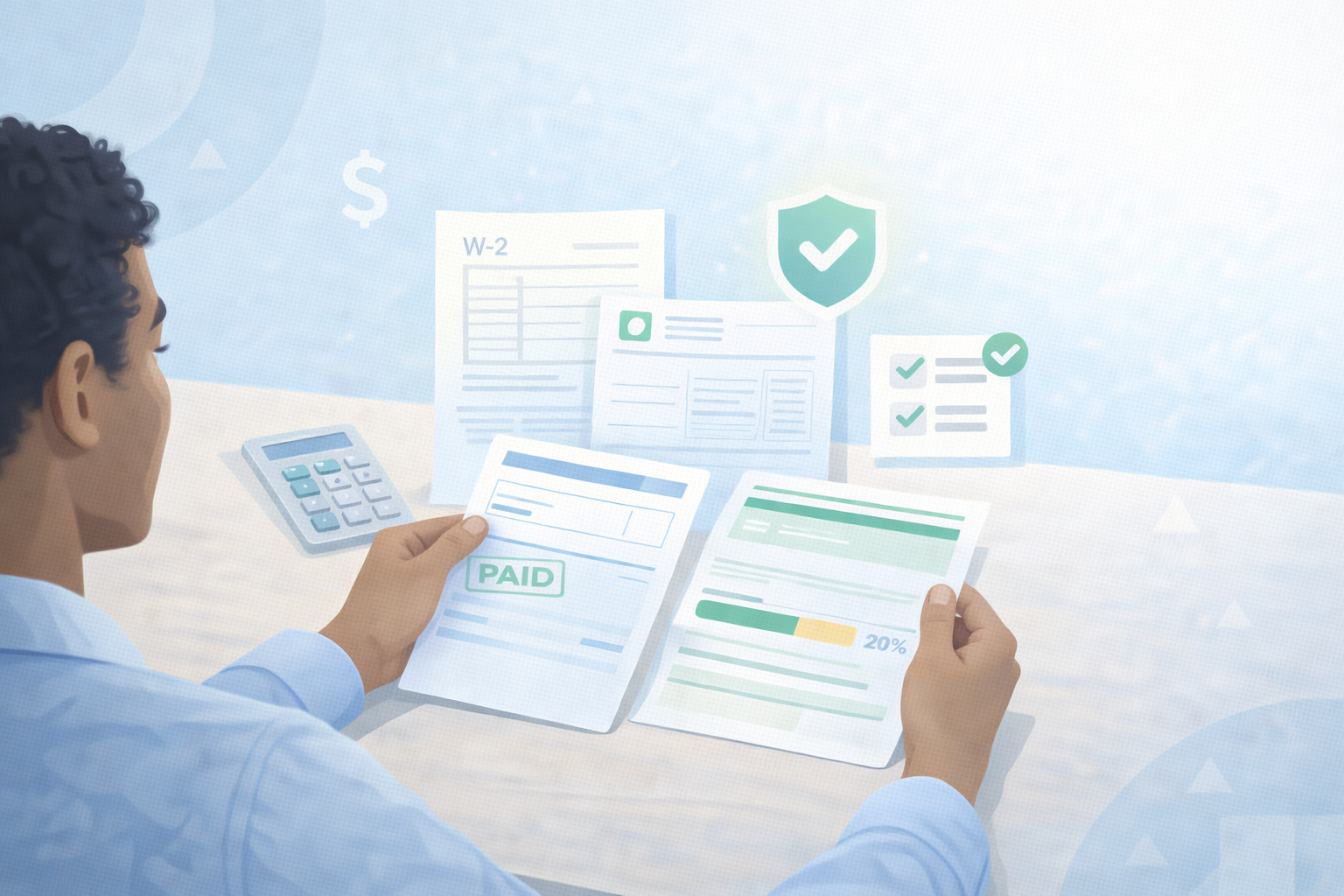
Lenders look at more than just a traditional paycheck. According to industry-wide practices, income from side hustles, freelance work, benefits, and even alimony can strengthen your application. For example, a freelance graphic designer provides their last two years of tax returns (specifically the Schedule C form) and bank statements instead of pay stubs. This is what makes proving income for a personal loan without payslips entirely possible.
To apply with confidence, gather the right proof for your specific situation. Most lenders will ask for:
When you apply for a loan, lenders are less concerned with your exact salary and more interested in the balance between what you earn and what you owe. This means that even if you're getting a loan with a lower income, you can still be a strong candidate if your debts are well-managed. It’s all about showing you have enough money left over each month to handle a new payment.
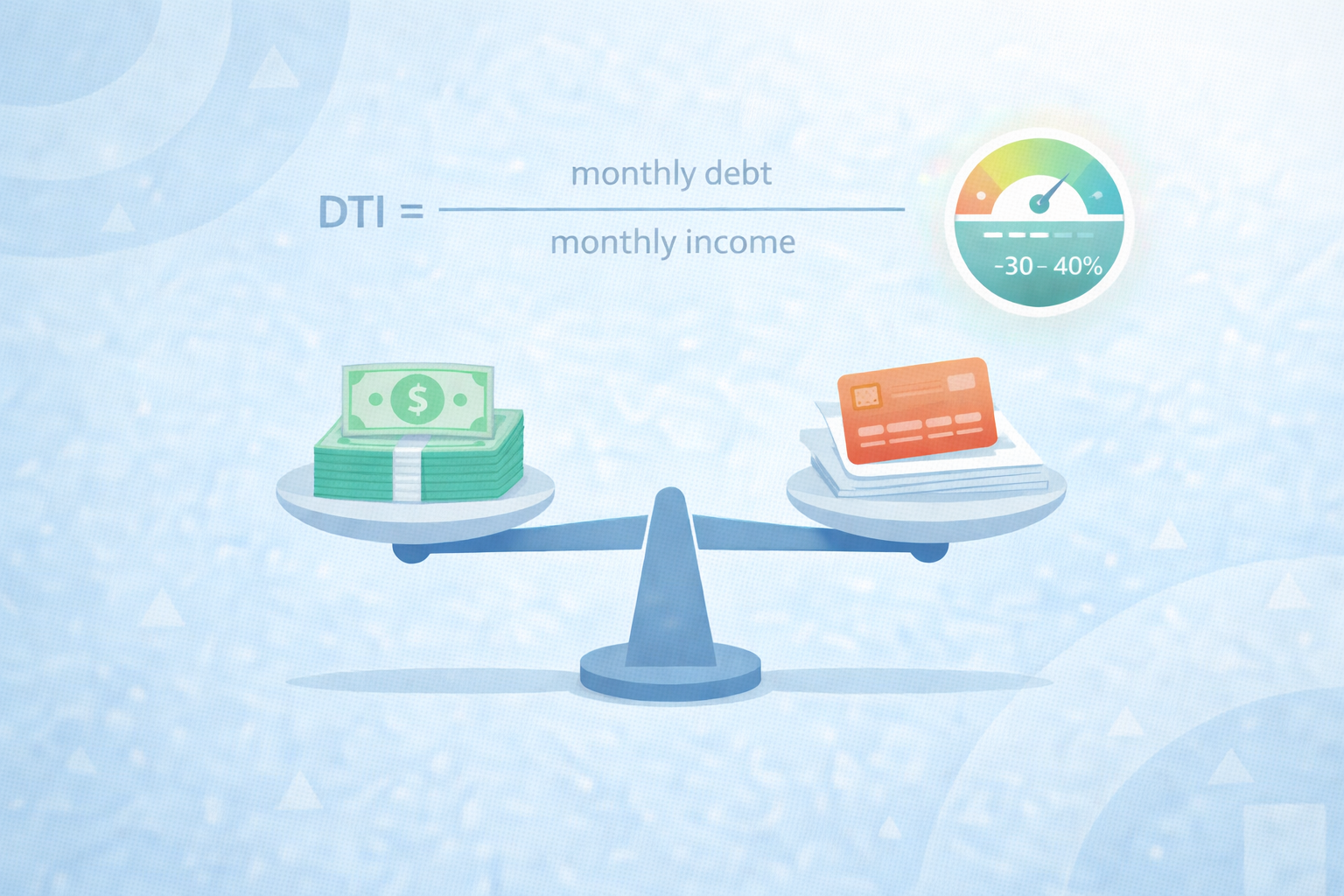
This crucial balance is measured by something called your Debt-to-Income (DTI) ratio. It’s the percentage of your Gross Monthly Income—that’s your total pay before taxes are taken out—that goes toward paying your monthly debt obligations. Think of your income as a full bucket of water; your DTI shows how much of that water is leaking out to pay for debts.
Calculating this ratio is straightforward. Add up all your monthly debt payments (like rent, car payments, and minimum credit card payments), and then divide that total by your gross monthly income. For example, if your debts are $1,600 and your income is $4,000, your DTI is 40% ($1,600 ÷ $4,000 = 0.40).
So, what number are lenders looking for? While it varies, a common benchmark for the debt-to-income ratio for a personal loan is anything below 43%. Knowing this number ahead of time gives you a powerful snapshot of your financial health from a lender's point of view and is the first step toward applying with confidence.
With a clear picture of what lenders look for, you can approach your application with confidence instead of uncertainty.
Here is your final checklist before you apply for a personal loan:
Completing these steps means you aren’t just hoping for approval—you’re approaching the process prepared and in control, turning financial uncertainty into confident action.
Disclaimer: The information provided in this blog post is for educational and informational purposes only and should not be considered as financial, legal, investment, or tax advice. Symple Lending is not responsible for any financial outcomes resulting from following the information or ideas shared in this blog. Every individual's financial situation is unique, and we strongly encourage readers to take their own circumstances into consideration and consult with a qualified financial, legal, tax, and investment advisor before making any financial decisions. Symple Lending does not provide financial, legal, tax, or investment advice.
Thinking about a personal loan? The first question that probably comes to mind is, “Do I make enough money to get approved?” While salary matters,...
Thousands carrying $20,000+ in credit card balances may already qualify for a structured relief program — but most assume they don’t.
The average credit card APR has quietly climbed past 24%. On paper, that’s just a number. In practice, it’s a system designed to keep balances...
Navigating the loan process for the first time can be daunting. Understanding employment and income verification is crucial for a smooth experience....
Did you know that 76% of personal loan applications are rejected simply because applicants don't meet basic eligibility requirements? This sobering...
Understanding your debt-to-income (DTI) ratio is crucial when applying for a loan. This ratio compares your monthly debt payments to your income....