Skip to the main content.

Personal Loans

Whether you're covering unexpected expenses, making a big purchase, or just need extra cash, our personal loans offer simple, flexible funding tailored to your needs.

Learn more...

Consolidation Loans

Simplify your finances with a loan that combines multiple payments into one. Our consolidation loans help reduce stress and keep your budget on track.

Learn more...

Home Improvement Loans

Upgrade your living space with financing designed for renovations, repairs, or remodeling. Our home improvement loans help you enhance your home’s comfort, value, and functionality—on your terms.

Learn more...

Symple Insights

Explore expert insights, financial tips, and strategic guidance from the Symple Lending team. Our insights and resource articles are your go-to source for empowering content that helps you make informed decisions on your journey to financial freedom.

Learn More...

Symple News

Stay up-to-date with the latest press releases, media features, and major announcements from Symple Lending. This section showcases how we're making headlines and driving innovation in the lending industry.

Learn More...

2 min read

Loan Readiness Checklist: How to Improve Approval Odds Before You Apply

Loan Readiness Checklist: How to Improve Approval Odds Before You Apply
Loan Readiness Checklist
3:13

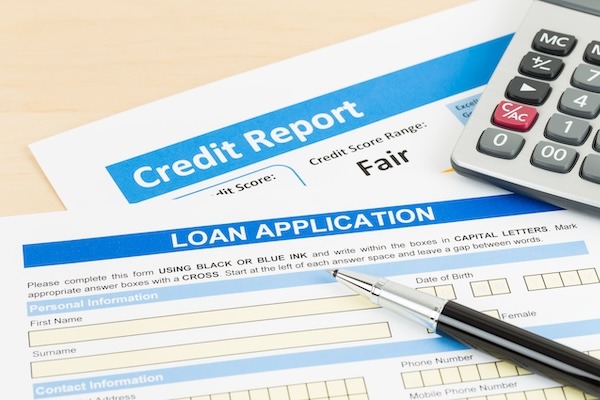
Applying for funding shouldn't feel like a guessing game. According to industry data on critical loan approval factors, most rejections are completely preventable when you properly prepare for loan application success. Think of this loan readiness checklist as your financial pre-flight check. By reviewing the three main pillars lenders evaluate—credit, debt, and income—you can confidently improve loan approval odds before applying.

Audit Your Financial GPA: Credit Score Cleanup and Error Removal

Think of your score as a financial GPA. Meeting the minimum credit score requirements for unsecured loans requires managing how much available credit you currently use—a metric called your credit utilization ratio. Keeping balances below 30% is one of the top credit score tips. Also, avoid opening new retail cards. New applications trigger a "hard credit pull" (an official inquiry that lowers your score), unlike a harmless "soft credit pull."

Repairing your credit score starts with an annual credit report review process. Follow these steps to dispute a credit report error:

  • Download your report at AnnualCreditReport.com
  • Identify the error
  • Submit documentation to the bureau

Resize Your 'Income Pie': How to Lower Your Debt-to-Income (DTI) Ratio

Lenders view your earnings as a pie. If too much goes toward existing bills, there is no room for a new payment. This is your Debt-to-Income (DTI) ratio. While daily budgets rely on net income (take-home pay), a debt-to-income ratio calculation for borrowers uses gross monthly income—your earnings before taxes. Find your percentage:

  1. Add total monthly debt payments.
  2. Divide by gross monthly income.
  3. Multiply by 100.

Landing at 36% or lower is the ideal safe zone. If your percentage is higher, strategies to reduce existing consumer debt can quickly shift the math. Clearing a $500 credit card balance eliminates its minimum payment entirely, a direct method to lower your debt-to-income ratio for loan approval.

Gathering Your Financial 'Proof of Life': The Ultimate Document Checklist

Knowing how to organize financial documents for lenders speeds up your funding timeline. Lenders weigh the impact of stable employment history on loan terms, typically expecting a solid two-year track record. To gather loan documents efficiently, prepare a digital folder containing:

  • Last 2 pay stubs
  • 2 years of W-2s (or 1099s to meet proof of income requirements for self-employed borrowers)
  • 2 months of bank statements

Bank records offer asset verification—proving your backup safety net and acting as asset-based lending evidence.

Your Final Loan Readiness Roadmap: From Checklist to Approval

To avoid common reasons for loan application denial, pause any major financial changes—like switching jobs or making large purchases right before applying. Knowing the difference between pre-qualification and pre-approval allows you to safely explore options without hurting your credit. Ready to take the next step using a harmless soft pull? Check Your Rate today to move forward confidently.

Disclaimer: The information provided in this blog post is for educational and informational purposes only and should not be considered as financial, legal, investment, or tax advice. Symple Lending is not responsible for any financial outcomes resulting from following the information or ideas shared in this blog. Every individual's financial situation is unique, and we strongly encourage readers to take their own circumstances into consideration and consult with a qualified financial, legal, tax, and investment advisor before making any financial decisions. Symple Lending does not provide financial, legal, tax, or investment advice.

Loan Readiness Checklist: How to Improve Approval Odds Before You Apply

Loan Readiness Checklist: How to Improve Approval Odds Before You Apply

Applying for funding shouldn't feel like a guessing game. According to industry data on critical loan approval factors, most rejections are...

Continue Reading
How Personal Loans Can Affect Your Credit Score: What Every Borrower Should Know

How Personal Loans Can Affect Your Credit Score: What Every Borrower Should Know

Here's something most people don't realize: a personal loan can actually improve your credit score, but only if you know what you're doing. Most...

Continue Reading
How 10,000+ Americans Took Control of Their Debt This Year With One Simple Move

How 10,000+ Americans Took Control of Their Debt This Year With One Simple Move

Something is changing in how people approach credit card balances.

Continue Reading