Skip to the main content.

Personal Loans

Whether you're covering unexpected expenses, making a big purchase, or just need extra cash, our personal loans offer simple, flexible funding tailored to your needs.

Learn more...

Consolidation Loans

Simplify your finances with a loan that combines multiple payments into one. Our consolidation loans help reduce stress and keep your budget on track.

Learn more...

Home Improvement Loans

Upgrade your living space with financing designed for renovations, repairs, or remodeling. Our home improvement loans help you enhance your home’s comfort, value, and functionality—on your terms.

Learn more...

Symple Insights

Explore expert insights, financial tips, and strategic guidance from the Symple Lending team. Our insights and resource articles are your go-to source for empowering content that helps you make informed decisions on your journey to financial freedom.

Learn More...

Symple News

Stay up-to-date with the latest press releases, media features, and major announcements from Symple Lending. This section showcases how we're making headlines and driving innovation in the lending industry.

Learn More...

2 min read

Debt-to-Income Ratio for Personal Loans: How to Calculate DTI and What “Good” Looks Like

Debt-to-Income Ratio for Personal Loans: How to Calculate DTI and What “Good” Looks Like
Debt-to-Income Ratio for Personal Loans
3:14

Ever applied for a loan and felt like you were just crossing your fingers, hoping for the best? There’s a key number that heavily influences loan approval, and it’s something you have more control over than you think. It's your Debt-to-Income Ratio, or DTI.

Before you even apply, you can calculate your DTI to get a sneak peek into how lenders see your finances. Understanding the debt-to-income ratio for personal loans is the first step toward applying with confidence and boosting your odds of getting that "yes."

How to Calculate Your Debt-to-Income Ratio in 5 Minutes

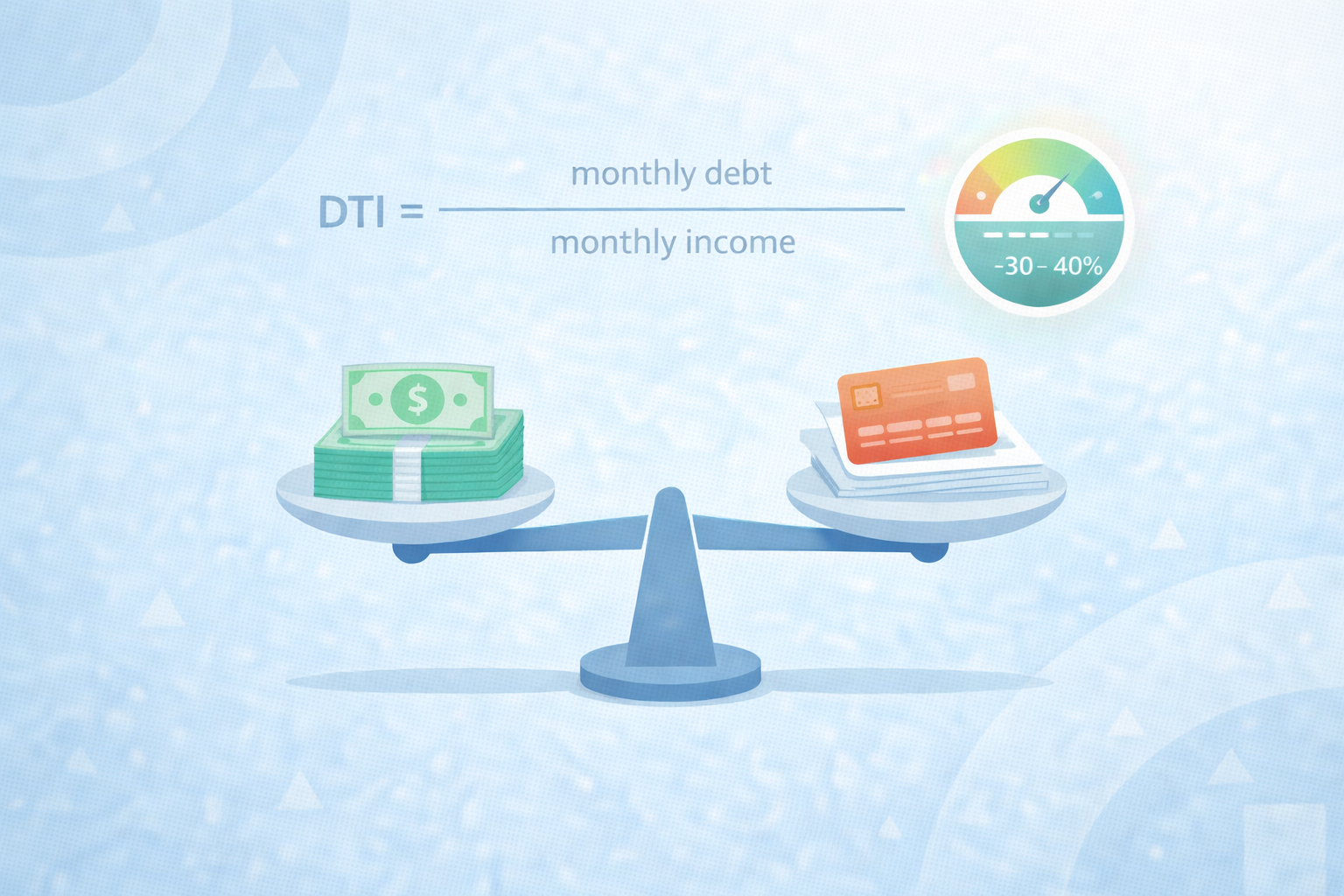
Finding your DTI is a straightforward step toward applying for a personal loan with confidence. The debt-to-income ratio formula begins with adding up all your required monthly payments. This includes your rent or mortgage, car payment, and student loans. For credit cards and lines of credit, use the minimum monthly payment required on your statement, not the total balance you owe. This sum is the first half of your DTI calculator.

Once you have your total monthly debt figure, the next step is to find your gross monthly income—that’s your total pay before taxes or any other deductions are taken out of your paycheck. With these two numbers, the calculation is simple:

  1. Add Up Your Monthly Debts: (e.g., Rent + Car Loan + Credit Card Minimums)
  2. Find Your Gross Monthly Income: (Your total pre-tax monthly salary)
  3. Divide & Convert: (Total Monthly Debts ÷ Gross Monthly Income) x 100 = Your DTI %

What a "Good" DTI Ratio Looks Like to Lenders

Now that you have your DTI percentage, you’re probably wondering: is it any good? While every lender has slightly different rules, they generally use the same benchmarks to gauge your financial health. Think of it like a traffic light for your borrowing power—a quick way for them to see how much room you have in your budget for a new payment.

Understanding where you fall can tell you what to expect when you apply. Here’s a breakdown of what your DTI means to most lenders for a personal loan:

  • 36% or less (Excellent): This is the green light. Lenders see you as a low-risk borrower, which means you’ll likely have the most loan options and qualify for better interest rates.
  • 37% to 43% (Manageable): Consider this the yellow light. You can often still get approved, but your options may be more limited as lenders take a closer look at your finances.
  • 44% or more (High-Risk): This is a red light, making it challenging to secure a new loan. Lenders may worry that you’re overextended and might struggle with another payment.

How to Improve Your DTI Ratio

If your DTI is higher than you’d like, you have direct control over improving it. There are two primary ways to lower your ratio: reducing your total monthly debt payments or increasing your gross monthly income.

For a quick impact, you can focus on paying off a small loan to eliminate its monthly payment entirely. Alternatively, boosting your income through a raise or documenting side-hustle earnings will also lower your DTI. By taking one of these focused actions, you take control of your financial story and improve your chances with lenders.

Disclaimer: The information provided in this blog post is for educational and informational purposes only and should not be considered as financial, legal, investment, or tax advice. Symple Lending is not responsible for any financial outcomes resulting from following the information or ideas shared in this blog. Every individual's financial situation is unique, and we strongly encourage readers to take their own circumstances into consideration and consult with a qualified financial, legal, tax, and investment advisor before making any financial decisions. Symple Lending does not provide financial, legal, tax, or investment advice.

Debt-to-Income Ratio for Personal Loans: How to Calculate DTI and What “Good” Looks Like

Debt-to-Income Ratio for Personal Loans: How to Calculate DTI and What “Good” Looks Like

Ever applied for a loan and felt like you were just crossing your fingers, hoping for the best? There’s a key number that heavily influences loan...

Continue Reading
How Debt Relief Actually Works in 2026: The Step-by-Step Process Nobody Explains

How Debt Relief Actually Works in 2026: The Step-by-Step Process Nobody Explains

Americans searching for debt relief usually find one of two things: vague promises or complicated explanations.

Continue Reading
Organizing Your Bills Before Spring Activities Kick In

Organizing Your Bills Before Spring Activities Kick In

Did you know that 40% of Americans report feeling significant financial stress when trying to juggle bill payments with seasonal activities? As...

Continue Reading
How Debt Relief Actually Works in 2026: The Step-by-Step Process Nobody Explains

How Debt Relief Actually Works in 2026: The Step-by-Step Process Nobody Explains

Americans searching for debt relief usually find one of two things: vague promises or complicated explanations.

Continue Reading
How to Lower Your Debt-to-Income Ratio Before Applying for a Loan

How to Lower Your Debt-to-Income Ratio Before Applying for a Loan

Understanding your debt-to-income (DTI) ratio is crucial when applying for a loan. This ratio compares your monthly debt payments to your income....

Continue Reading
Why You're Still in Debt Despite Paying On Time: Breaking the Minimum Payment Trap

Why You're Still in Debt Despite Paying On Time: Breaking the Minimum Payment Trap

Did you know that Americans collectively spend over $200 billion in credit card interest and fees annually? That’s because making minimum payments on...

Continue Reading