Skip to the main content.

Personal Loans

Whether you're covering unexpected expenses, making a big purchase, or just need extra cash, our personal loans offer simple, flexible funding tailored to your needs.

Learn more...

Consolidation Loans

Simplify your finances with a loan that combines multiple payments into one. Our consolidation loans help reduce stress and keep your budget on track.

Learn more...

Home Improvement Loans

Upgrade your living space with financing designed for renovations, repairs, or remodeling. Our home improvement loans help you enhance your home’s comfort, value, and functionality—on your terms.

Learn more...

Symple Insights

Explore expert insights, financial tips, and strategic guidance from the Symple Lending team. Our insights and resource articles are your go-to source for empowering content that helps you make informed decisions on your journey to financial freedom.

Learn More...

Symple News

Stay up-to-date with the latest press releases, media features, and major announcements from Symple Lending. This section showcases how we're making headlines and driving innovation in the lending industry.

Learn More...

2 min read

What Is a Debt Consolidation Loan? How It Works + Who It’s For

What Is a Debt Consolidation Loan? How It Works + Who It’s For
3:56

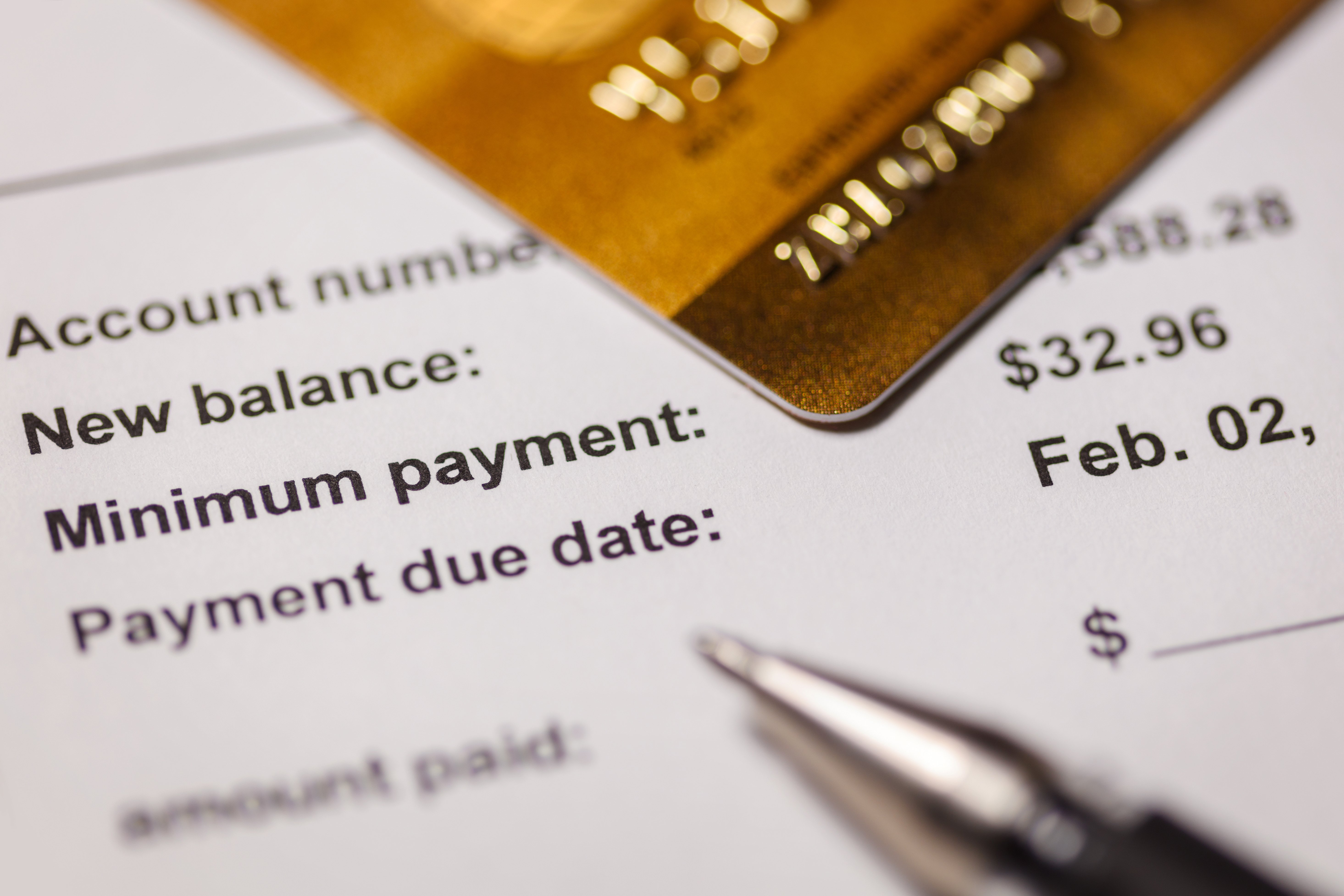
Does your heart sink opening the mailbox to find three different credit card statements? According to financial experts, juggling multiple high-interest due dates severely drains both your wallet and mental bandwidth.

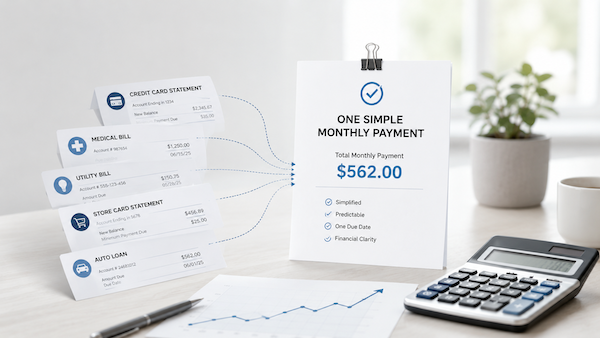
Picture simple debt refinancing. A debt consolidation loan trades several bad deals for one better rate, successfully lowering monthly debt payments into a single, predictable bill.

How One New Loan Plugs Your 'Interest Leaks'

Imagine pouring water into a bucket with several small holes. That’s what high-interest debt feels like—your money leaks out before paying down what you actually owe. A debt consolidation loan for credit card debt plugs these leaks. Many lenders use a "direct payoff," meaning they send the loan funds straight to your current creditors, instantly zeroing out your old balances.

When exploring fixed interest rate personal loans, you must understand two numbers. The interest rate is the basic "sticker price" for borrowing. The APR reflects the true cost because it includes the "origination fee"—a one-time service charge the bank takes to process your loan. Securing a lower debt consolidation loan interest rate focuses your strategy on reducing total interest paid. The funding process follows three straightforward steps:

  1. Application/Approval
  2. Direct Payoff of creditors
  3. Single monthly repayment to the new lender

Simplifying your bills is a great goal, but banks still review your financial health.

The Borrower’s Blueprint: Who Qualifies and How Credit Scores Shift

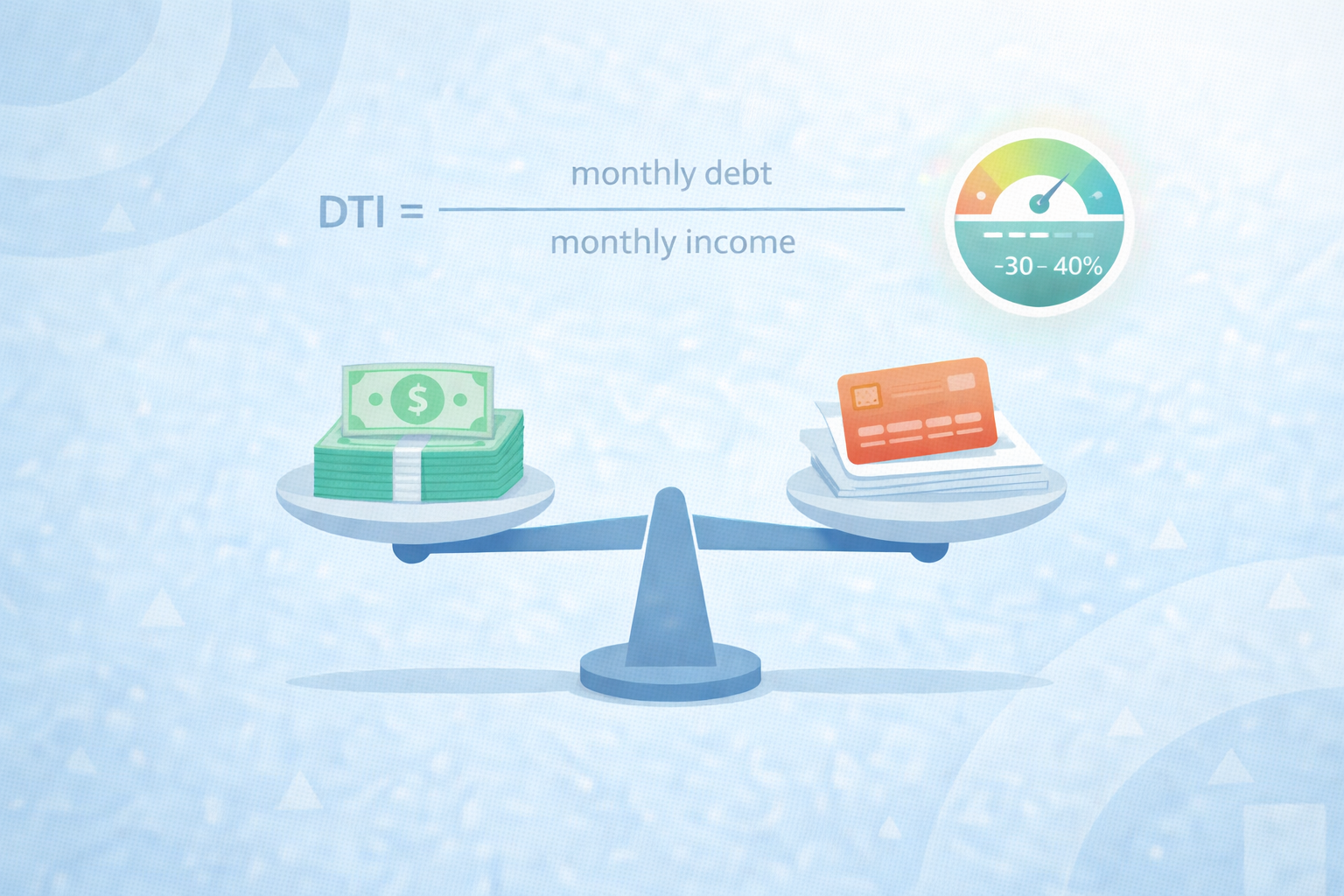
Banks must ensure you can comfortably afford your new payment. Meeting standard debt consolidation loan requirements involves the specific math lenders use to gauge your financial limits: your Debt-to-Income (DTI) ratio. This straightforward calculation compares your total monthly debt obligations against your monthly income. Generally, lenders look for this minimum qualification checklist:

  • A steady, verifiable income
  • A debt-to-income ratio for loan approval under 45%
  • A credit score usually above 580

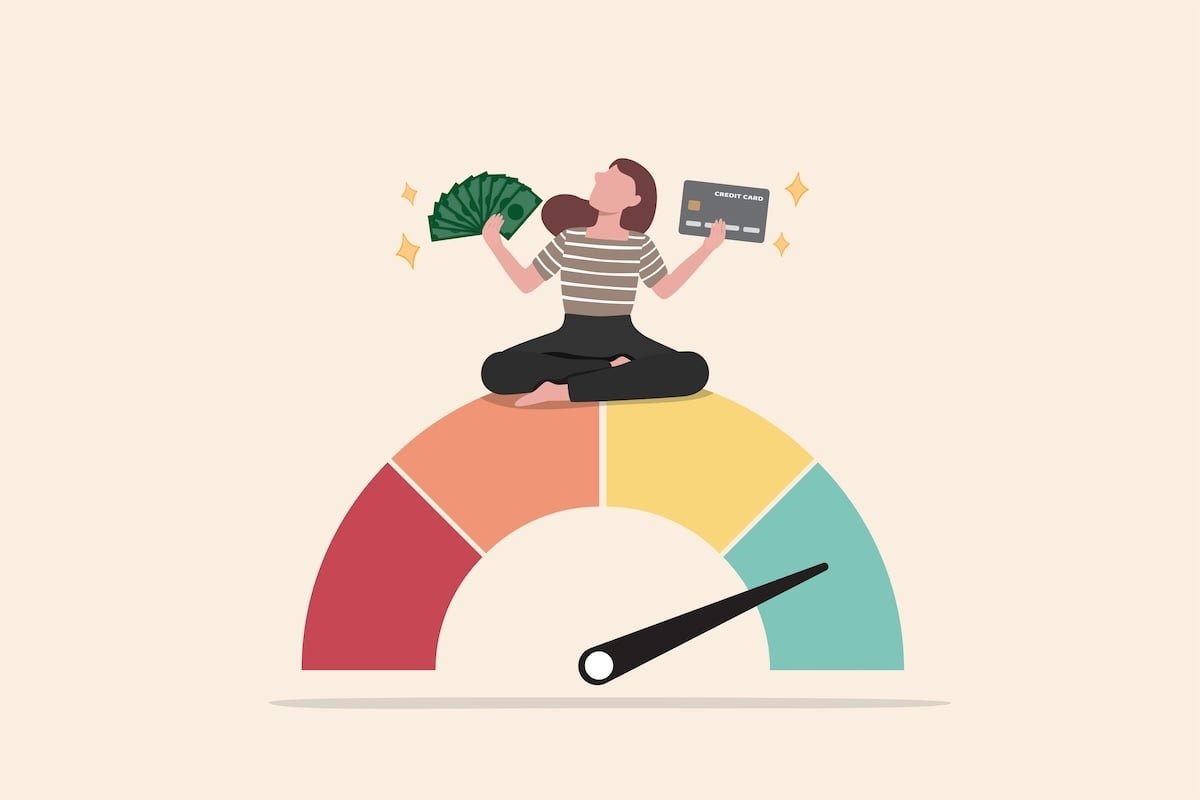
Wondering how consolidation loans affect credit scores? Expect a minor temporary dip from the application process. However, the long-term debt consolidation loan impact on credit score is frequently positive. Moving unsecured debt from maxed-out credit cards into an installment loan lowers your credit utilization—the percentage of available credit you are using. While balance transfer cards offer short-term 0% periods, personal loans provide fixed payoff timelines.

Is This the Right Move for You? Next Steps and Trade-offs

By combining bills into one monthly payment, you regain the mental bandwidth lost to juggling multiple due dates and high interest rates. However, a new loan transfers your balances rather than erasing them. To avoid the potential risks of debt consolidation, you must resist the temptation to run up new charges on those freshly cleared credit cards.

Taking control of your finances requires seeing the full picture before making your next move. Ready to evaluate if this strategy fits your goals? Explore these essential debt consolidation loan pros and cons to make a confident, informed decision.

Disclaimer: The information provided in this blog post is for educational and informational purposes only and should not be considered as financial, legal, investment, or tax advice. Symple Lending is not responsible for any financial outcomes resulting from following the information or ideas shared in this blog. Every individual's financial situation is unique, and we strongly encourage readers to take their own circumstances into consideration and consult with a qualified financial, legal, tax, and investment advisor before making any financial decisions. Symple Lending does not provide financial, legal, tax, or investment advice.

What Is a Debt Consolidation Loan? How It Works + Who It’s For

What Is a Debt Consolidation Loan? How It Works + Who It’s For

Does your heart sink opening the mailbox to find three different credit card statements? According to financial experts, juggling multiple...

Continue Reading
When to Use a Personal Loan: A Smart Financial Tool

When to Use a Personal Loan: A Smart Financial Tool

Personal loans are often talked about as a quick way to access funds, but they are much more than that. When used thoughtfully, a personal loan can...

Continue Reading
Responsible Borrowing Habits That Protect Your Finances

Responsible Borrowing Habits That Protect Your Finances

Borrowing money is a normal part of managing your finances. Whether it’s a personal loan, a credit card, funding education, or another type of...

Continue Reading