Debt Relief Without the Risk: How to Reduce Payments While Protecting Your Credit Score
For many borrowers, the hesitation isn’t about the monthly payment.
Whether you're covering unexpected expenses, making a big purchase, or just need extra cash, our personal loans offer simple, flexible funding tailored to your needs.
Simplify your finances with a loan that combines multiple payments into one. Our consolidation loans help reduce stress and keep your budget on track.
Upgrade your living space with financing designed for renovations, repairs, or remodeling. Our home improvement loans help you enhance your home’s comfort, value, and functionality—on your terms.
Explore expert insights, financial tips, and strategic guidance from the Symple Lending team. Our insights and resource articles are your go-to source for empowering content that helps you make informed decisions on your journey to financial freedom.
Stay up-to-date with the latest press releases, media features, and major announcements from Symple Lending. This section showcases how we're making headlines and driving innovation in the lending industry.
2 min read
Breanne Neely
:
February 27, 2026
Have you ever felt like you're doing everything right with your credit, but your score just won't budge? You pay every bill on time, without fail. It's a frustrating position to be in because paying on time is only half the story.
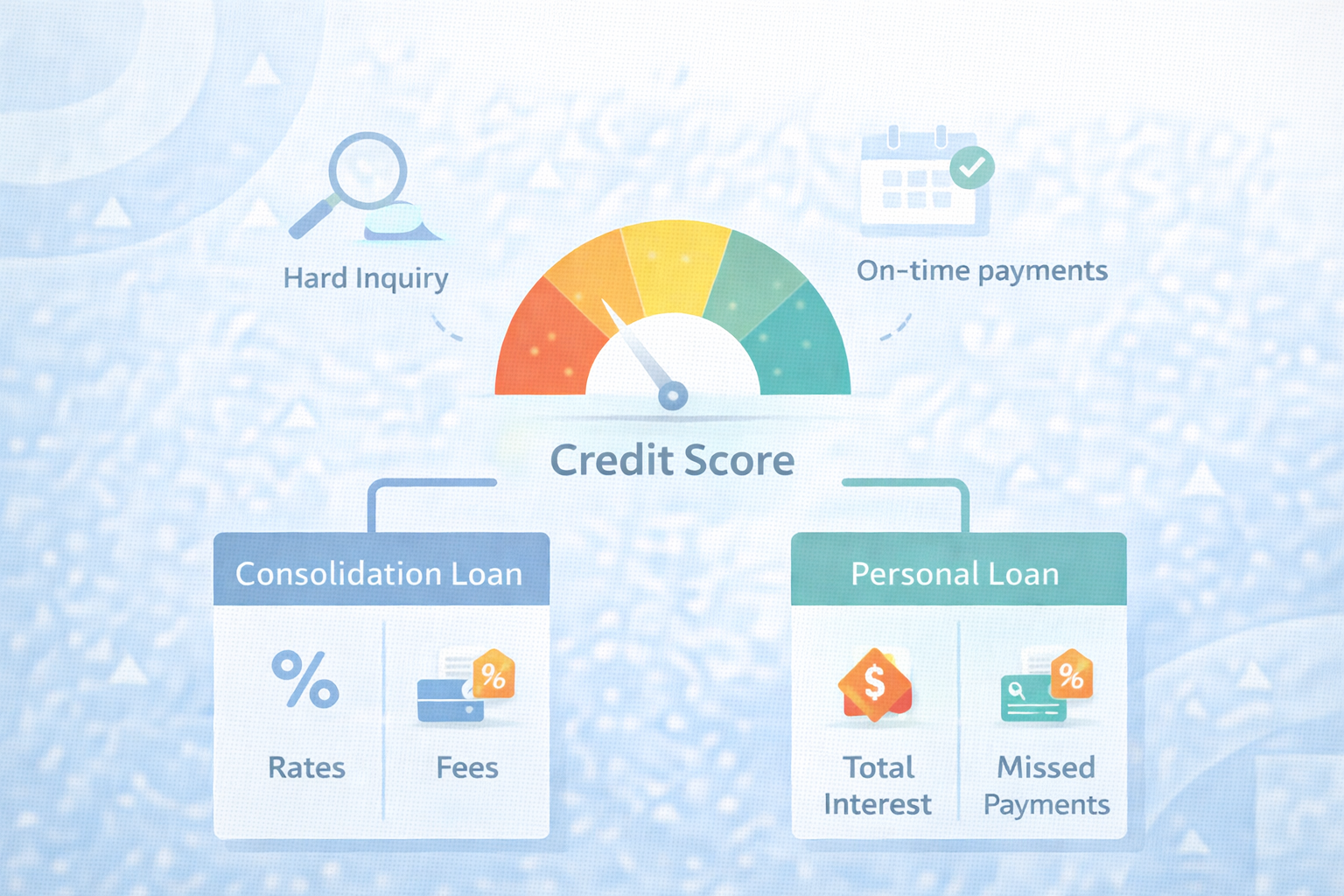
Your score isn't one single grade but a recipe with different ingredients. According to FICO, the company behind the most common scores, just two of those ingredients make up the vast majority of your final number.
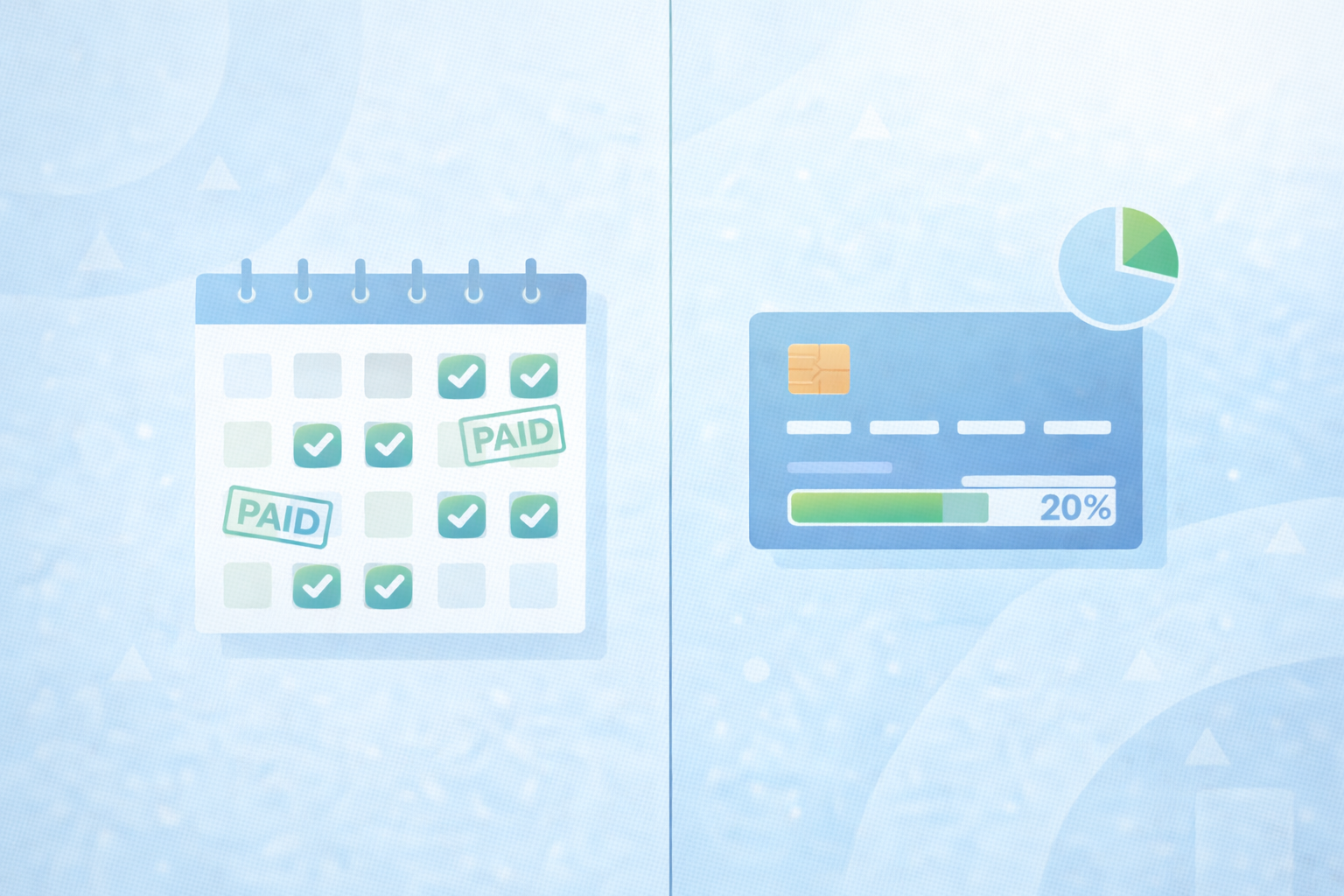
Think of your credit score like a financial report card. The most important grade on it is your attendance record—did you show up on time with your payment every single month? In the credit world, this is called Payment History, and it’s the single biggest piece of your score, showing lenders how reliable you are.
According to FICO, the company behind the most-used credit scores, your history of on-time payments accounts for a massive 35% of your total score. This is why even one payment that is 30 days late can cause a significant drop and stay on your credit report for years. It’s the ultimate signal of risk to lenders.
The easiest way to protect this crucial part of your score is to automate it. Consider setting up automatic payments for at least the minimum due on all your accounts. This simple step acts as a powerful safety net, ensuring you never miss a due date by accident and keeping your most important credit factor in perfect shape.
Paying on time is the biggest step, but what if your score is still stuck? The culprit is often the second most important factor: how much of your available credit you’re using at any given moment.
Think of your total credit limit as a gas tank. The percentage you’re using is your Credit Utilization. Lenders get nervous when this gauge is near 'Full,' as it can signal financial stress, making it the second-biggest factor influencing your score.
While lower is always better, a great rule of thumb is keeping your overall balance below 30% of your total credit limit. On a card with a $1,000 limit, that means keeping your balance under $300.
Here’s the part that surprises most people: a high balance can hurt your score even if you pay it off completely each month. That’s because issuers often report the balance on your statement date, before your payment is processed.
Your score isn't a mystery; it's a story told by two simple habits you can control.
Your Quick-Action Checklist:
Your payment history proves your past reliability, while your utilization shows your current financial picture. Mastering these two habits—the calendar and the fuel gauge—is the foundation for building strong credit or rebuilding credit after late payments. By understanding how lenders view credit reports, you hold the power to shape your own.
Disclaimer: The information provided in this blog post is for educational and informational purposes only and should not be considered as financial, legal, investment, or tax advice. Symple Lending is not responsible for any financial outcomes resulting from following the information or ideas shared in this blog. Every individual's financial situation is unique, and we strongly encourage readers to take their own circumstances into consideration and consult with a qualified financial, legal, tax, and investment advisor before making any financial decisions. Symple Lending does not provide financial, legal, tax, or investment advice.
For many borrowers, the hesitation isn’t about the monthly payment.
Lenders always want a backup plan before approving money. In practice, this safety net is collateral for a loan—a financial security deposit like...
The average American household juggles up to ten recurring bills every single month. That’s nearly ten due dates, interest rates, and minimum...
1 min read
Navigating the world of credit scores can be confusing, especially if you're trying to get your loan approved. Understanding what lenders look for...
1 min read
Did you know that a personal loan could be your credit score's best friend or worst enemy? It all depends on how you manage it. While many borrowers...
1 min read
Does the term 'credit score' make you a little nervous? You’re not alone. It often feels like a mysterious number controlling your financial life,...