Skip to the main content.

Personal Loans

Whether you're covering unexpected expenses, making a big purchase, or just need extra cash, our personal loans offer simple, flexible funding tailored to your needs.

Learn more...

Consolidation Loans

Simplify your finances with a loan that combines multiple payments into one. Our consolidation loans help reduce stress and keep your budget on track.

Learn more...

Home Improvement Loans

Upgrade your living space with financing designed for renovations, repairs, or remodeling. Our home improvement loans help you enhance your home’s comfort, value, and functionality—on your terms.

Learn more...

Symple Insights

Explore expert insights, financial tips, and strategic guidance from the Symple Lending team. Our insights and resource articles are your go-to source for empowering content that helps you make informed decisions on your journey to financial freedom.

Learn More...

Symple News

Stay up-to-date with the latest press releases, media features, and major announcements from Symple Lending. This section showcases how we're making headlines and driving innovation in the lending industry.

Learn More...

11 min read

How Personal Loan Origination Fees Affect the Cash You Actually Receive

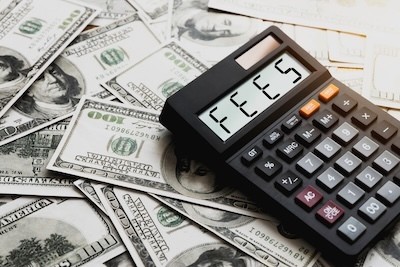
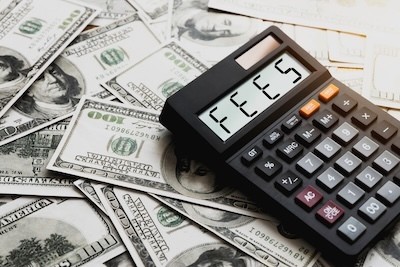
Calculator with the word FEES on the calculator placed on the dollar, concepts, fees, fees services and taxes.
How Origination Fees Affect the Cash You Actually Receive
20:30

A personal loan origination fee is an upfront charge some lenders deduct from your loan proceeds, so the cash you actually receive can be lower than your approved loan amount even though you generally repay interest on the full principal. Understanding that difference can help you avoid a funding shortfall and compare loan offers more accurately.

When you're approved for a personal loan, you might expect to receive the full amount listed in your loan offer. That's a reasonable assumption, but it isn't always accurate.

Some lenders charge origination fees that are deducted before funds are disbursed. This means the amount you agree to repay, your loan principal, may be higher than the amount actually deposited into your account. For consumers comparing personal loans with or without origination fees, borrowing to cover a specific expense, or using a loan to consolidate existing balances, that difference can determine whether the loan provides enough usable funds to accomplish what you set out to do.

Origination fees don't just affect how much money lands in your account. They can also influence your loan's annual percentage rate (APR), monthly payment structure, and your total borrowing costs over the life of the loan. We covered how fees interact with APR in our previous guide, APR vs. Interest Rate on a Personal Loan, and this article builds on that foundation by focusing on how origination fees are calculated, how they change net proceeds, and how to compare offers based on the usable funding you'll actually have.

Before accepting a personal loan, it's worth reviewing both the loan principal and the net proceeds. A $20,000 personal loan doesn't always mean $20,000 will be deposited into your account. Depending on how your lender handles origination fees, the actual amount you receive may be lower.

What Is a Personal Loan Origination Fee?

An origination fee is a charge some lenders assess for originating a personal loan. It's a cost tied to the process of setting up and issuing your loan, separate from the interest you'll pay over time.

Lenders may use origination fees to help cover costs associated with processing your application, underwriting your loan, or issuing the funds. Not every lender charges this fee, and the amount can vary significantly depending on the lender and your qualifications.

How Are Personal Loan Origination Fees Determined?

Origination fees aren't applied the same way by every lender. Depending on your loan agreement, a personal loan origination fee may be structured as:

  • A percentage of the loan principal: A fee calculated as a set percentage of the total amount borrowed.
  • A fixed dollar amount: A flat charge that doesn't change based on your loan size.
  • A charge deducted from loan proceeds: A fee withheld from your funds before disbursement.
  • A fee paid separately: A charge billed outside of the loan proceeds, depending on the agreement.

Because fee structures vary by lender, they can also vary depending on state rules, which determine whether these charges are allowed and the maximum charge, with origination fees typically ranging from 1% to 10%; some lenders may instead use a flat rate rather than a percentage, so it's important to review your specific loan terms rather than assume how a fee will be applied.

Do All Personal Loans Charge Origination Fees?

No. Not all personal loans and not all lenders charge origination fees, while others charge fees that vary based on the loan product or your individual qualifications as an applicant. This is one of the details worth comparing when you evaluate multiple offers, since many lenders do charge them and borrowers should compare lenders using APR and total cost rather than assuming a no-fee loan is automatically cheaper.

Are Origination Fees Refundable?

Not necessarily. Refund policies depend on your lender, your loan agreement, applicable law, and the circumstances surrounding any cancellation or early repayment. Rather than assuming an origination fee will be refunded under any circumstance, review the relevant terms in your loan agreement directly.

How Do Origination Fees Affect the Amount of Money You Receive?

This is the central question for anyone comparing personal loan offers that include an origination fee. When a lender deducts an origination fee from loan proceeds, you receive less than the full principal amount, even though your repayment obligation is generally based on the full principal.

What's the Difference Between Loan Principal and Net Proceeds?

Three terms are useful to understand here, and they each describe a different part of the transaction:

  • Loan principal: The amount you borrow, generally used to calculate your scheduled repayment obligations.
  • Origination fee: The lender's upfront charge for issuing the loan.
  • Net proceeds: The amount of money available to you after upfront deductions.

Knowing how these three figures relate to each other can help you understand exactly what you're agreeing to before you sign.

How to Calculate Net Loan Proceeds

Calculating your net proceeds is a straightforward exercise once you know your principal and fee amount:

Net Loan Proceeds = Loan Principal − Origination Fee

If your origination fee is calculated as a percentage, you'll first need to determine the dollar amount of the fee on a personal loan based on the total loan amount:

Origination Fee = Loan Principal × Fee Percentage

For example, a 5% origination fee on a $10,000 loan equals $500, so you would receive $9,500 in net proceeds.

Example: A $20,000 Personal Loan With a 5% Origination Fee

Here's how this plays out with a hypothetical loan:

Hypothetical Personal Loan

Amount

Loan principal

$20,000

Origination fee (5%)

$1,000

Amount actually received

$19,000

In this example, the borrower receives $19,000 in net proceeds but generally repays the full $20,000 principal plus interest. This assumes the origination fee is deducted upfront, with no other deductions involved.

The key takeaway here is straightforward: the approved loan amount and the usable funding amount aren't always the same.

How Much Do Origination Fees Reduce Your Loan Proceeds?

The dollar impact of an origination fee depends on the fee percentage your lender charges. Here's how different fee percentages affect net proceeds on the same $20,000 loan principal:

Origination Fee

Fee Amount on $20,000

Net Proceeds

0%

$0

$20,000

1%

$200

$19,800

3%

$600

$19,400

5%

$1,000

$19,000

7%

$1,400

$18,600

10%

$2,000

$18,000

These hypothetical examples assume the fee is deducted from the loan principal before disbursement.

Why Small Percentage Differences Matter

A few percentage points might not sound significant, but they can create a meaningful difference in your usable funds. Consider these factors:

  • Larger loans produce larger dollar fees: The same percentage fee results in a bigger dollar amount on a larger loan principal.
  • A higher fee may leave you short: If you need a specific amount for a specific purpose, even a modest fee percentage can leave you without enough funds.
  • Comparing fees side by side reveals real differences: What looks like a minor percentage gap between lenders can translate into hundreds of dollars.

Why You Should Calculate Fees in Dollars

A percentage alone may not make the financial impact immediately clear. Before accepting any loan offer, calculate the actual dollar amount of the fee so you know exactly how much will be deducted from your proceeds.

What If You Need the Full Loan Amount for an Expense?

A deducted origination fee can create a funding gap when you need a specific dollar amount for a planned expense, like a home repair or a debt consolidation payoff.

Example: You Need $20,000 but the Lender Deducts 5%

If you need $20,000 in usable funds, a $20,000 loan with a 5% deducted fee would only provide $19,000. That $1,000 gap could leave you short of what you actually need to accomplish your goal.

How Much Would You Need to Borrow to Receive $20,000?

To solve for the funding gap, you can calculate the principal needed to receive a specific net amount:

Required Principal = Desired Net Proceeds ÷ (1 − Fee Rate)

For a 5% fee, that calculation looks like this:

$20,000 ÷ 0.95 = $21,052.63

That result is the original loan amount you would need to request to receive $20,000 after the fee is deducted.

You would need approximately $21,052.63 in principal to receive $20,000 after a 5% fee, assuming your lender allows that loan amount and applies the fee as described.

Is Borrowing More to Cover Fees a Good Idea?

Not automatically. Borrowing more to cover a fee increases the principal balance you repay and can raise the interest charged over time.

Before borrowing extra to cover a fee, compare other loan offers, consider whether you truly need the full original amount, and evaluate whether the resulting payment fits comfortably within your budget; the fee is not automatically a deal breaker if the overall APR, repayment terms, and total cost still fit your needs and budget.

Do Origination Fees Affect Your Monthly Payment?

Origination fees can influence the amount financed and your overall borrowing costs, but their effect on your monthly payment depends on how the fee is structured.

When the Fee Is Deducted Upfront

If your lender deducts the fee from your proceeds, you may still make scheduled payments based on the full loan principal. For example, a borrower receiving $19,000 from a $20,000 loan generally makes payments based on the $20,000 principal, not the reduced amount received. This means your monthly payments may be calculated on the full amount borrowed even though you received less cash upfront.

When the Fee Is Paid Separately

In some cases, you may receive the full principal amount but pay an additional upfront charge outside of the loan proceeds. This structure keeps your net proceeds intact while still requiring a separate payment.

When the Fee Is Financed

If a fee is added to the amount financed under your loan agreement, it becomes part of the principal balance and may increase both your scheduled payments and your total interest charges.

It's worth noting that not every lender uses the same fee structure, so reviewing your specific loan agreement is the only reliable way to know how your fee will affect your payment.

How Do Origination Fees Affect APR and Total Loan Cost?

We explored the relationship between APR and interest rate in detail in our previous article, so here we'll focus specifically on how origination fees factor into that calculation.

Why Origination Fees Can Increase APR

Qualifying origination fees are generally reflected in your loan's disclosed APR. This means APR includes the loan's interest rate plus qualifying upfront fees and other costs, so it may be higher than the stated interest rate alone would suggest.

Can a Loan With a Lower Interest Rate Cost More Because of Fees?

Yes. A lower interest rate doesn't necessarily mean lower overall borrowing costs if the loan includes significant upfront finance charges, like a sizable origination fee. In some cases, a loan with a slightly higher interest rate can still cost less overall if it has no origination fee. And while some lenders offer no-origination-fee loans, they may balance that with a higher interest rate; if you try to negotiate fees, they may also adjust other factors, such as the interest rate.

Why You Should Compare Both APR and Net Proceeds

Three figures work together to give you a complete picture of a loan's cost and usability, especially when offers have similar repayment terms, since shorter loan terms usually have lower interest rates:

  • APR: Helps you compare annualized borrowing costs across different offers.
  • Net proceeds: Show how much usable funding you'll actually receive.
  • Total repayment: Provides insight into your full repayment commitment over the life of the loan.

Considering these figures together, rather than in isolation, can help you avoid an incomplete comparison between offers, because advertised rates alone are not enough; APR, net proceeds, total repayment, and other fees provide a fuller picture of total cost.

Personal Loan With an Origination Fee vs. No Origination Fee

A loan without an origination fee isn't automatically the least expensive option. The right choice depends on how all the loan's terms work together.

What Are the Potential Advantages of a No-Fee Loan?

A loan without an origination fee may offer a few practical benefits:

  • Full principal received: You may receive the complete principal amount with no upfront deduction.
  • No upfront origination charge: There's no origination fee to calculate or plan around.
  • Simpler comparison: Comparing net proceeds can be more straightforward when there's no fee involved.

Can a Loan With an Origination Fee Still Be Competitive?

Yes. A loan with an origination fee may still be competitive if you don’t have excellent credit and may still qualify even when a no-fee option isn’t available. Stronger credit may help you qualify for a lower origination fee or no fee at all, and a fee-charging loan may also offer a lower interest rate or other favorable terms depending on your overall borrowing costs.

What Should You Compare?

Comparison Factor

Loan With Origination Fee

Loan Without Origination Fee

Upfront origination charge

Yes

No

Net proceeds

May be reduced if the fee is deducted from the total loan amount before funding

Generally equal to principal if no other deductions

Interest rate

Varies

Varies

APR

Reflects qualifying fees and helps you compare lenders by total cost

May equal stated rate if no other finance charges

Monthly payment

Depends on loan structure

Depends on loan structure

Total borrowing cost

Depends on all terms

Depends on all terms

The key takeaway here is to review actual loan offers from multiple lenders rather than assuming one fee structure is always better than the other. That can help you find the best deal and save money.

Where Can You Find Origination Fees in a Personal Loan Offer?

Before accepting any loan offer, it's worth reviewing the lender's disclosures carefully so you understand exactly what you're agreeing to.

Review the Loan Agreement

Your loan agreement should include information about the origination fee and any other fees, such as:

  • Origination fee amount
  • Fee percentage
  • How the fee is collected
  • Amount financed
  • Net proceeds
  • APR
  • Payment schedule and repayment terms

Check the Truth in Lending Disclosures

Covered consumer loans generally include standardized disclosures designed to help you understand your borrowing costs, including how any origination fee factors into your APR.

Ask Whether the Fee Is Deducted Before Funding

If you're unsure how your fee will be applied, it's reasonable to ask your lender directly to confirm the amount you'll actually receive.

Compare Preliminary and Final Terms

Keep in mind that prequalified offers may change after underwriting. The terms you see early in the process aren't necessarily the terms you'll receive in your final loan agreement. Getting multiple quotes through prequalification with multiple lenders can make it easier to compare changing terms without necessarily affecting your credit score.

Questions to Ask Before Accepting a Loan With an Origination Fee

Before you sign a loan agreement, consider working through this checklist:

  1. Does this personal loan have an origination fee?
  2. Is the fee a percentage or a fixed dollar amount?
  3. How much is the fee in dollars?
  4. Will the fee be deducted from the loan proceeds?
  5. How much money will I actually receive?
  6. Will I repay interest on the full principal?
  7. Is the fee reflected in the APR?
  8. How does this offer compare with offers from multiple lenders?
  9. Could your credit score, income, or loan amount be affecting the fee you were offered?
  10. Do the total cost, monthly payments, and repayment terms fit your budget?
  11. Does the loan provide enough usable funds for my intended purpose?

Working through these questions before you accept an offer can help you avoid surprises after your loan funds.

Frequently Asked Questions About Personal Loan Origination Fees

What Is a Typical Personal Loan Origination Fee?

Origination fees vary by lender, loan product, and applicant qualifications. Fees can also vary depending on the lender, loan product, state rules, and applicant qualifications. Some lenders charge no origination fee, while others charge a percentage of the loan principal, typically ranging from 1% to 10%, though some may charge up to 12%. Because fees differ so widely, it's best to review your specific lender's terms rather than assume a universal range.

Is an Origination Fee Deducted From a Personal Loan?

It can be. When lenders charge an origination fee on a personal loan, the fee on a personal loan may be deducted from the funds before disbursement, while others use different fee structures, such as a separately paid charge or a financed fee.

Do You Pay Interest on the Origination Fee?

When the fee is deducted from the principal before funding, interest is generally calculated on the full principal amount, even though you receive less in net proceeds.

Does an Origination Fee Affect APR?

Yes, qualifying origination fees generally affect the disclosed APR, which is why two loans with similar interest rates can have different APRs.

Can You Get a Personal Loan Without an Origination Fee?

Yes. Some lenders offer personal loans without origination fees, although eligibility and other terms vary by lender and applicant.

Is a Personal Loan With No Origination Fee Always Better?

No. APR, interest rate, repayment term, monthly payment, and total borrowing costs should all be considered together before deciding which offer is the better fit for your situation. A loan with no upfront fees is not always cheaper if it comes with a higher interest rate, so compare APR, net proceeds, and total cost to find the best deal.

Know How Much You'll Receive Before Accepting a Personal Loan

Origination fees can affect the amount of money you actually receive from a personal loan. When fees are deducted upfront, your net proceeds may be lower than the approved principal, even though your repayment obligation is generally based on the full amount borrowed.

Before accepting an offer, calculate the dollar amount of any origination fee and understand how it affects your APR, your monthly payment, and your total borrowing costs. Comparing loans with and without origination fees, using the same criteria, can help you evaluate your options more accurately.

Reviewing your final loan disclosures and confirming the usable funding amount before you accept an offer can help you avoid a shortfall and move forward with confidence.

Disclaimer: The information provided in this blog post is for educational and informational purposes only and should not be considered as financial, legal, investment, or tax advice. Symple Lending is not responsible for any financial outcomes resulting from following the information or ideas shared in this blog. Every individual's financial situation is unique, and we strongly encourage readers to take their own circumstances into consideration and consult with a qualified financial, legal, tax, and investment advisor before making any financial decisions. Symple Lending does not provide financial, legal, tax, or investment advice.

How Personal Loan Origination Fees Affect the Cash You Actually Receive

How Personal Loan Origination Fees Affect the Cash You Actually Receive

A personal loan origination fee is an upfront charge some lenders deduct from your loan proceeds, so the cash you actually receive can be lower than...


Continue Reading
How High Utilization Impacts Your Credit Score: Timing, Thresholds, And Myths

How High Utilization Impacts Your Credit Score: Timing, Thresholds, And Myths

High credit utilization can lower your credit scores because it signals heavier reliance on available revolving credit. Understanding how high credit...

Continue Reading
APR vs. Interest Rate on a Personal Loan: Which Number Should You Compare?

APR vs. Interest Rate on a Personal Loan: Which Number Should You Compare?

APR and interest rate both describe the cost of borrowing money, but they answer different questions. Interest rate shows what you're charged on your...

Continue Reading