Skip to the main content.

Personal Loans

Whether you're covering unexpected expenses, making a big purchase, or just need extra cash, our personal loans offer simple, flexible funding tailored to your needs.

Learn more...

Consolidation Loans

Simplify your finances with a loan that combines multiple payments into one. Our consolidation loans help reduce stress and keep your budget on track.

Learn more...

Home Improvement Loans

Upgrade your living space with financing designed for renovations, repairs, or remodeling. Our home improvement loans help you enhance your home’s comfort, value, and functionality—on your terms.

Learn more...

Symple Insights

Explore expert insights, financial tips, and strategic guidance from the Symple Lending team. Our insights and resource articles are your go-to source for empowering content that helps you make informed decisions on your journey to financial freedom.

Learn More...

Symple News

Stay up-to-date with the latest press releases, media features, and major announcements from Symple Lending. This section showcases how we're making headlines and driving innovation in the lending industry.

Learn More...

2 min read

How High Utilization Impacts Your Credit Score: Timing, Thresholds, And Myths

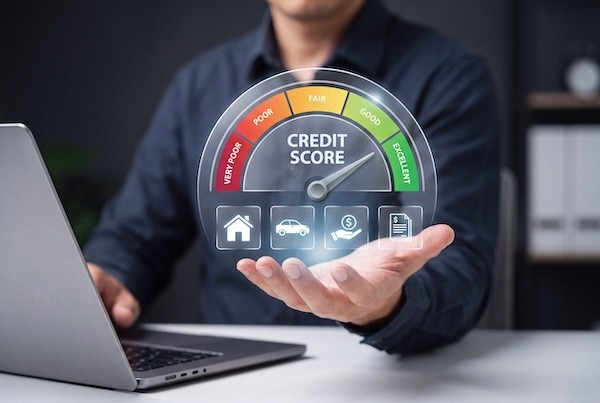
Businessman holding a digital credit score gauge interface above his hand while working on a laptop
How High Utilization Impacts Your Credit Score
3:58

High credit utilization can lower your credit scores because it signals heavier reliance on available revolving credit. Understanding how high credit utilization affects credit scores means looking at both reported balances and reporting dates—not just whether you pay on time. Lower balances generally support stronger scores, but no single percentage guarantees a particular result. 

How Does Utilization Affect Your Credit Score?

Credit utilization measures your reported revolving balances against your credit limits. FICO utilization calculations consider both overall usage and usage on individual accounts, so one nearly maxed-out card can matter even when your combined utilization looks moderate. Utilization belongs to the broader “amounts owed” category, which represents about 30% of a typical FICO Score; utilization alone does not account for that entire share. 

For example, a reported $2,000 balance on a card with a $5,000 limit equals 40% utilization. To calculate your overall percentage, divide all reported revolving balances by their combined limits, then multiply by 100. This gives you a starting point for reviewing your balances. 

Why Does Reporting Timing Matter?

Credit score utilization timing matters because scoring models use balances on your credit reports, not necessarily the balances you see in your banking app today. Issuers generally report around the statement closing date, although reporting schedules vary. Paying by the due date can therefore leave a higher statement balance visible for scoring purposes. 

To manage statement date utilization:

  • Check your closing date: Find it on your statement and ask your issuer when it reports balances.
  • Pay earlier when practical: A payment before closing may reduce the balance reported.
  • Verify the update: Before an important credit application, check whether your credit report reflects the lower balance. 

Thresholds Are Guidelines, Not Guarantees

Keeping utilization below 30% is a common guideline, not a universal scoring boundary. FICO explicitly cautions against assuming that crossing 30% automatically causes a score drop. Lower utilization generally helps, but your credit profile and scoring model influence the outcome; there is no reliable point-loss chart for every borrower. 

Credit Utilization Myths Worth Dropping

  • “Carrying debt builds credit.” You do not need to carry a balance or pay interest to build FICO Scores. A reported statement balance is different from debt carried past the payment due date. 
  • “One high month causes permanent damage.” Most scores can respond when lower balances are reported. However, models such as FICO Score 10 T also evaluate balance trends over time, so utilization history is not irrelevant to every model. 

Focus on Sustainable Balance Reduction

Prioritize affordable balance reductions and on-time payments rather than chasing an exact percentage. Earlier payments can help manage reported utilization, but reducing debt consistently is the more sustainable goal.

Read our full blog post here: https://symplelending.com/insights/high-credit-utilization-what-it-means-and-how-consolidation-may-help

Disclaimer: The information provided in this blog post is for educational and informational purposes only and should not be considered as financial, legal, investment, or tax advice. Symple Lending is not responsible for any financial outcomes resulting from following the information or ideas shared in this blog. Every individual's financial situation is unique, and we strongly encourage readers to take their own circumstances into consideration and consult with a qualified financial, legal, tax, and investment advisor before making any financial decisions. Symple Lending does not provide financial, legal, tax, or investment advice.

How High Utilization Impacts Your Credit Score: Timing, Thresholds, And Myths

How High Utilization Impacts Your Credit Score: Timing, Thresholds, And Myths

High credit utilization can lower your credit scores because it signals heavier reliance on available revolving credit. Understanding how high credit...


Continue Reading
APR vs. Interest Rate on a Personal Loan: Which Number Should You Compare?

APR vs. Interest Rate on a Personal Loan: Which Number Should You Compare?

APR and interest rate both describe the cost of borrowing money, but they answer different questions. Interest rate shows what you're charged on your...

Continue Reading
High Utilization: The Most Common Causes (And How To Spot Yours)

High Utilization: The Most Common Causes (And How To Spot Yours)

High credit utilization means your reported credit card balances use a large share of your available limits. It can result from rising balances,...

Continue Reading