How Much Should I Save in an Emergency Fund?
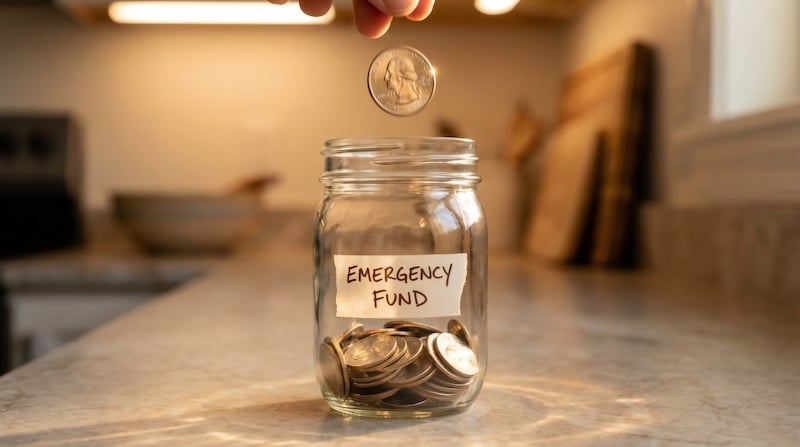
An emergency fund can help you cover unexpected costs without disrupting your entire budget. The key is not choosing a perfect number right away, but...
Whether you're covering unexpected expenses, making a big purchase, or just need extra cash, our personal loans offer simple, flexible funding tailored to your needs.
Simplify your finances with a loan that combines multiple payments into one. Our consolidation loans help reduce stress and keep your budget on track.
Upgrade your living space with financing designed for renovations, repairs, or remodeling. Our home improvement loans help you enhance your home’s comfort, value, and functionality—on your terms.
Explore expert insights, financial tips, and strategic guidance from the Symple Lending team. Our insights and resource articles are your go-to source for empowering content that helps you make informed decisions on your journey to financial freedom.
Stay up-to-date with the latest press releases, media features, and major announcements from Symple Lending. This section showcases how we're making headlines and driving innovation in the lending industry.
Table of Contents
An emergency fund can help you cover unexpected costs without disrupting your entire budget. The key is not choosing a perfect number right away, but understanding what amount makes sense for your income, expenses, and daily life.
If you have ever wondered, how much emergency fund savings do I really need, you are not alone. This is one of the most common questions people ask when they start planning for financial stability. You may hear broad advice like “save three to six months of expenses,” but that range can feel hard to apply to your own situation without a clear method.
The good news is that your emergency fund savings goal does not need to be based on guesswork. With a simple process, you can estimate your essential monthly expenses, consider your personal risk factors, and build a target that feels realistic. That approach can help you prepare for job loss, medical costs, car repairs, home issues, or other sudden expenses without relying entirely on credit.
In this guide, you will learn the standard emergency savings fund recommendations, how savings needs can vary, and how to calculate a practical target for yourself. You will also find clear steps for building an emergency fund gradually, even if your budget feels tight. A thoughtful plan can make saving feel much more manageable.
Before choosing a savings target, it helps to understand what an emergency fund is meant to cover and why the amount matters. An emergency fund is money you set aside for urgent, necessary, and unplanned expenses.
That distinction matters because this money is not for vacations, gifts, or routine bills you already expect. It is for situations that can interrupt your finances and require quick action.
Common examples include:
The amount matters because a small emergency and a larger income interruption require different levels of savings. A useful target should reflect not just one possible expense, but your overall ability to stay stable during a financial setback.
A clear target can help you save with more purpose.
Most emergency fund guidance starts with the same general rule because it gives people a practical range to work from. A common recommended emergency fund amount is three to six months of essential living expenses.
This guideline matters because emergencies do not always come as one-time bills. In some cases, the bigger risk is a temporary loss of income that affects your budget month after month.
When people ask, how much emergency savings do I need, this three-to-six-month range is often the starting point:
It is important to focus on essential expenses, not total spending. Essential expenses are the costs you need to keep paying even during a financial disruption.
These often include:
This framework gives you a starting point, not a one-size-fits-all answer.
Before setting your number, it is important to understand which personal factors can raise or lower your target. The right emergency fund depends on how much financial flexibility you have when something changes.
Several factors can shape your emergency fund savings goal:
Your income pattern plays a major role in how much cushion you may need. A steady salary may allow for a smaller reserve, while variable income may call for more savings.
The more people who depend on your income, the more important it becomes to plan carefully. More people often means more essential costs and less room for error.
Your industry and role can affect how quickly you could recover from an income disruption. If finding a new job might take time, a larger fund may offer more breathing room.
Your monthly obligations matter just as much as your income. A household with high fixed expenses often needs a larger emergency fund than one with more flexibility.
Your target should reflect your real life, not just a general rule.
If broad recommendations feel abstract, a simple calculation can make them easier to use. This process helps you estimate a personal target based on your essential monthly expenses.
Start by identifying the bills and costs you would still need to pay during an emergency. The goal is to separate essentials from optional spending.
You may want to include:
Skip entertainment, dining out, travel, and other nonessential categories for this calculation. This gives you a more accurate emergency baseline.
Once you have your categories, total the monthly amount. This is your essential monthly expense number.
For example:
Total essential monthly expenses: $4,000
This number is the foundation of your emergency fund budgeting plan.
Next, decide whether three, four, five, or six months makes the most sense for your situation. This is where personal risk factors matter.
Using the example above:
A dual-income household with stable jobs might choose three months. A single-income family or self-employed worker might choose six months. There is no single correct answer, only the amount that best matches your circumstances.
A full emergency fund can take time to build, so it helps to create smaller milestones. That keeps the goal from feeling too distant.
You might break it down this way:
This approach works especially well for emergency savings for beginners because it turns a large target into a series of manageable steps.
A clear calculation can make the goal feel much more achievable.
Examples can help you see how the math works in different situations. These scenarios show why the right amount depends on your household, income, and monthly obligations.
A renter with a steady salary and lower fixed living expenses may not need as large a reserve as someone with more variables.
This person may start with $1,000, then work toward one month of expenses before aiming for the full amount.
A household with children and one main earner may need a larger cushion because essential costs are higher and income replacement may take time.
That number may seem large, but the household can still begin with a smaller milestone and build gradually.
Someone with uneven monthly earnings may want more savings because some months bring strong income while others bring less.
In this case, extra savings can help smooth out income swings as well as true emergencies.
These examples show that the best target depends on your level of risk and responsibility.
Before building your fund, it helps to acknowledge what often gets in the way. Many people understand the value of emergency savings but still struggle to make progress.
Common barriers include:
These challenges are real, but they do not mean saving is out of reach. In many cases, the solution is not saving a large amount quickly. It is building a steady process that fits your current budget.
A smaller start can still create meaningful progress.
Once you have a target, the next step is choosing a method you can maintain. Building an emergency fund usually works best when the plan is simple and repeatable.
Here are practical ways to get started:
If your income changes from month to month, percentage-based saving may work better than a fixed number. For example, you might save 5% or 10% of every paycheck when possible. That is one of the most useful emergency fund calculator tips because it adjusts with your income.
Consistency matters more than speed.
Emergency savings work best when they are part of a broader plan for steady financial security. They are not separate from your budget. They are one of the tools that can help protect it.
Strong financial safety net planning can help you:
This is also why learning how to prepare for unexpected expenses matters so much. A solid budget and savings strategy tells your money where to go during normal months. An emergency fund helps support that plan when life becomes less predictable.
Together, they can give you more stability and more room to respond thoughtfully.
The right emergency fund is not always the largest possible number. It is the amount that reflects your essential expenses, your income stability, and your household’s needs.
If you are still asking, how much should I save in an emergency fund, start with the standard guideline of three to six months of essential expenses. Then adjust based on your personal situation. If a full target feels too far away, begin with a smaller milestone and build from there.
What matters most is having a plan you can follow. A clear savings target, a simple budget review, and steady contributions can help you move toward greater financial stability over time. Emergency savings may not remove every challenge, but they can give you a stronger foundation when unexpected expenses appear.
Disclaimer: The information provided in this blog post is for educational and informational purposes only and should not be considered as financial, legal, investment, or tax advice. Symple Lending is not responsible for any financial outcomes resulting from following the information or ideas shared in this blog. Every individual's financial situation is unique, and we strongly encourage readers to take their own circumstances into consideration and consult with a qualified financial, legal, tax, and investment advisor before making any financial decisions. Symple Lending does not provide financial, legal, tax, or investment advice.
An emergency fund can help you cover unexpected costs without disrupting your entire budget. The key is not choosing a perfect number right away, but...
Managing multiple high-interest debts often feels like a stressful second job. Industry data reveals that juggling numerous credit card minimums...
An emergency fund may seem like a simple savings goal, but it plays a much bigger role in your financial life than many people realize. It gives you...