Skip to the main content.

Personal Loans

Whether you're covering unexpected expenses, making a big purchase, or just need extra cash, our personal loans offer simple, flexible funding tailored to your needs.

Learn more...

Consolidation Loans

Simplify your finances with a loan that combines multiple payments into one. Our consolidation loans help reduce stress and keep your budget on track.

Learn more...

Home Improvement Loans

Upgrade your living space with financing designed for renovations, repairs, or remodeling. Our home improvement loans help you enhance your home’s comfort, value, and functionality—on your terms.

Learn more...

Symple Insights

Explore expert insights, financial tips, and strategic guidance from the Symple Lending team. Our insights and resource articles are your go-to source for empowering content that helps you make informed decisions on your journey to financial freedom.

Learn More...

Symple News

Stay up-to-date with the latest press releases, media features, and major announcements from Symple Lending. This section showcases how we're making headlines and driving innovation in the lending industry.

Learn More...

2 min read

Emergency Fund vs. Seasonal Fund: What’s the Difference (and Do You Need Both?)

Emergency Fund vs. Seasonal Fund: What’s the Difference (and Do You Need Both?)
Emergency Fund vs. Seasonal Fund: What’s the Difference
4:21

Mastering personal finance basics often begins with a solid savings strategy, but not all savings accounts serve the same purpose. If you have ever felt overwhelmed when comparing emergency funds and seasonal savings and how to set both up, you are not alone. While they might sound similar at a glance, they play distinctly different roles in protecting your financial well-being.

Understanding the Core Differences

To grasp the real difference between emergency fund and sinking fund (commonly known as a seasonal fund), we need to look at intent.

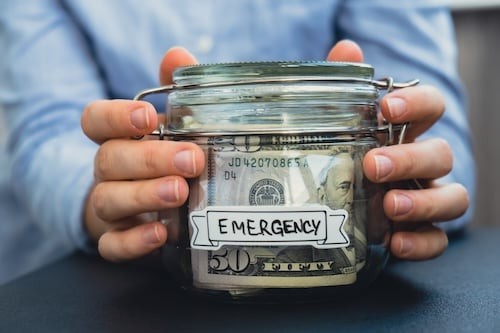
An emergency fund is your unpredictable safety net. It acts as an essential financial cushion for job loss or medical bills, ensuring you don’t spiral into debt when life throws a sudden curveball. By holding liquid assets for financial security, you are actively building a sustainable personal safety net that gives you lasting peace of mind.

Conversely, seasonal savings act as a planned reserve for expected, yet non-monthly, expenses. Whether you are actively managing holiday spending with seasonal savings, planning for a summer vacation, or creating a necessary buffer for irregular bill cycles (like semi-annual car insurance or property taxes), this fund handles predictable events. This highlights the classic sinking fund vs emergency fund debate: one protects you from the unexpected, while the other prepares you for the expected.

Determining Your Target Numbers

Figuring out exactly how much to save depends heavily on the account's unique purpose.

  • The Emergency Reserve: When deciding how much to save for unexpected expenses, financial experts universally recommend stashing away three to six months of living expenses. This covers rent, groceries, and utilities if your primary income suddenly stops.
  • The Seasonal Reserve: Calculating seasonal savings goal amounts involves a simple formula: add up your anticipated yearly expenses and divide that total by 12. This proactive approach makes budgeting for predictable seasonal fluctuations much easier and completely removes the stress of annual shopping.

Striking a Balance

Is it actually wise to maintain separate pots of money? When weighing the pros and cons of multiple savings accounts, the main pro is clear organization—you won't accidentally spend your home repair money on a weekend getaway. The only minor con is the initial setup time required to track them.

However, prioritizing emergency savings vs planned costs doesn't mean you have to choose just one. By creating a separate account for recurring annual expenses, you mentally and physically protect your main emergency reserve from being drained by routine costs.

How to Set Both Up Effectively

Ready to take control? Here is a simple blueprint to start saving today:

  1. Choose the right bank: Look for the best high yield savings accounts for rainy day funds. These accounts offer significantly higher interest rates than traditional banks, helping your money grow safely.
  2. Establish clear boundaries: Open two distinct accounts at your chosen institution to separate your goals clearly.
  3. Put it on autopilot: Start automating monthly savings contributions. Even transferring just $50 a month into each account adds up quickly over time without requiring daily discipline.

Ultimately, you absolutely need both. By pairing a robust emergency reserve with a strategic seasonal fund, you achieve complete financial clarity. You will be fully prepared for the exciting events you plan for, and completely protected against the stressful ones you don't.

Disclaimer: The information provided in this blog post is for educational and informational purposes only and should not be considered as financial, legal, investment, or tax advice. Symple Lending is not responsible for any financial outcomes resulting from following the information or ideas shared in this blog. Every individual's financial situation is unique, and we strongly encourage readers to take their own circumstances into consideration and consult with a qualified financial, legal, tax, and investment advisor before making any financial decisions. Symple Lending does not provide financial, legal, tax, or investment advice.

Emergency Fund vs. Seasonal Fund: What’s the Difference (and Do You Need Both?)

Emergency Fund vs. Seasonal Fund: What’s the Difference (and Do You Need Both?)

Mastering personal finance basics often begins with a solid savings strategy, but not all savings accounts serve the same purpose. If you have ever...

Continue Reading
How Job Loss and Credit Card Debt Go Hand in Hand

How Job Loss and Credit Card Debt Go Hand in Hand

Losing your job can quickly transform manageable credit card debt into a growing financial burden. Without a steady income, interest continues to...

Continue Reading
How to Rebalance Your Monthly Budget for Peak-Cost Seasons

How to Rebalance Your Monthly Budget for Peak-Cost Seasons

High-expense periods—like the winter holidays, summer vacations, or property tax season—can easily derail your finances if you aren't prepared....

Continue Reading
Sinking Funds Made Simple: The Stress-Free Way to Save for “Predictable Surprises”

1 min read

Sinking Funds Made Simple: The Stress-Free Way to Save for “Predictable Surprises”

We’ve all experienced it: December arrives, and suddenly, you're scrambling to pay for gifts. Or maybe winter rolls around, and you desperately need...

Continue Reading
How Much Should I Save in an Emergency Fund?

1 min read

How Much Should I Save in an Emergency Fund?

An emergency fund can help you cover unexpected costs without disrupting your entire budget. The key is not choosing a perfect number right away, but...

Continue Reading
How to Rebalance Your Monthly Budget for Peak-Cost Seasons

1 min read

How to Rebalance Your Monthly Budget for Peak-Cost Seasons

High-expense periods—like the winter holidays, summer vacations, or property tax season—can easily derail your finances if you aren't prepared....

Continue Reading