Skip to the main content.

Personal Loans

Whether you're covering unexpected expenses, making a big purchase, or just need extra cash, our personal loans offer simple, flexible funding tailored to your needs.

Learn more...

Consolidation Loans

Simplify your finances with a loan that combines multiple payments into one. Our consolidation loans help reduce stress and keep your budget on track.

Learn more...

Home Improvement Loans

Upgrade your living space with financing designed for renovations, repairs, or remodeling. Our home improvement loans help you enhance your home’s comfort, value, and functionality—on your terms.

Learn more...

Symple Insights

Explore expert insights, financial tips, and strategic guidance from the Symple Lending team. Our insights and resource articles are your go-to source for empowering content that helps you make informed decisions on your journey to financial freedom.

Learn More...

Symple News

Stay up-to-date with the latest press releases, media features, and major announcements from Symple Lending. This section showcases how we're making headlines and driving innovation in the lending industry.

Learn More...

2 min read

Should You Borrow to Protect Your Emergency Fund?

Should You Borrow to Protect Your Emergency Fund?
4:20

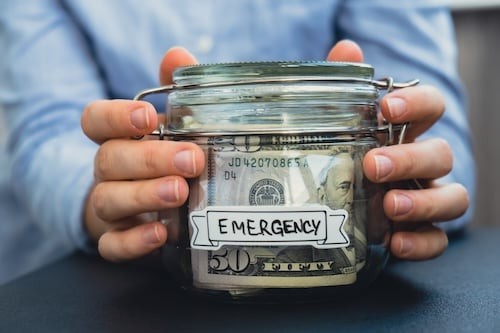
When unexpected costs arise, your immediate reaction might be to tap into your savings. However, understanding borrowing to preserve emergency savings: when it’s a smart move is a complex question many US consumers face today. Having a solid, dependable financial cushion is vital for long-term peace of mind. By proactively leveraging credit to protect liquid assets, you can keep cash reserves intact, preserving liquidity during economic uncertainty. Let's explore exactly how to protect emergency fund balances effectively without jeopardizing your household's financial future.

Weighing Your Borrowing Options

When facing surprise medical bills or sudden home repairs, you might logically wonder: is it better to take a loan or deplete emergency fund? The answer requires directly comparing the cost of borrowing vs opportunity cost of spending savings. For instance, the negative impact of withdrawing investments during market volatility can permanently devastate a growing portfolio.

Similarly, avoiding early withdrawal penalties on retirement accounts often makes borrowing much cheaper than liquidating assets. It is crucial to carefully evaluate these financial factors before taking action. Leaving your invested funds completely untouched allows them to naturally compound over time, generating long-term wealth for your family.

Smart Borrowing Methods

When comparing a personal loan vs savings, look closely at current fixed rates. A low interest personal loan vs using savings might actually allow your invested money to continue compounding significantly faster than the loan's interest accrues. Knowing exactly when to use 0 APR credit card for emergencies is equally critical; these cards offer excellent interest-free promotional windows if paid off promptly.

Other effective strategies for managing unexpected large expenses include using a HELOC as a secondary emergency fund. This unique approach provides excellent, low-cost standby credit based entirely on your home's available equity. Additionally, you should thoroughly weigh the pros and cons of 401k loans for urgent needs. While they successfully avoid hard credit pulls, remember that a sudden job loss could trigger an immediate repayment demand, causing tax penalties.

Execution and Repayment Planning

Effective cash flow planning ensures any new debt remains completely manageable. If you decide to borrow instead of using savings, strictly evaluate your household budget first. Carefully review debt-to-income ratio considerations for emergency borrowing so you don't accidentally overextend your finances. Lenders heavily scrutinize these ratios before granting approval.

Always learn how to calculate the true cost of debt before financing urgent repairs while keeping cash reserves. You must factor in loan origination fees, annual percentage rates, and compound interest. A comprehensive, well-thought-out emergency fund strategy includes establishing affordable repayment plans for short term emergency loans. This structured approach guarantees you can aggressively conquer the new debt without stressing your regular monthly budget.

Building healthy credit habits and maintaining cash reserves ensures you remain fully protected against economic downturns. By preserving liquidity, you secure true peace of mind. Ultimately, protecting your safety net enables you to comfortably weather any future financial storms.

Read our full blog post here: https://symplelending.com/insights/when-borrowing-money-makes-sense

Disclaimer: The information provided in this blog post is for educational and informational purposes only and should not be considered as financial, legal, investment, or tax advice. Symple Lending is not responsible for any financial outcomes resulting from following the information or ideas shared in this blog. Every individual's financial situation is unique, and we strongly encourage readers to take their own circumstances into consideration and consult with a qualified financial, legal, tax, and investment advisor before making any financial decisions. Symple Lending does not provide financial, legal, tax, or investment advice.

Should You Borrow to Protect Your Emergency Fund?

Should You Borrow to Protect Your Emergency Fund?

When unexpected costs arise, your immediate reaction might be to tap into your savings. However, understanding borrowing to preserve emergency...

Continue Reading
Borrowing for Life Events (Moving, Weddings, Big Transitions): What to Consider

Borrowing for Life Events (Moving, Weddings, Big Transitions): What to Consider

Life moves incredibly fast. Whether you are tying the knot, upgrading your home, or relocating across the country, financing major life events like...

Continue Reading
Your Credit Score After Paying Off Debt: What to Expect

Your Credit Score After Paying Off Debt: What to Expect

Paying off debt is a meaningful financial milestone, but your credit score may not change right away. Score changes depend on the type of debt, your...

Continue Reading