Skip to the main content.

Personal Loans

Whether you're covering unexpected expenses, making a big purchase, or just need extra cash, our personal loans offer simple, flexible funding tailored to your needs.

Learn more...

Consolidation Loans

Simplify your finances with a loan that combines multiple payments into one. Our consolidation loans help reduce stress and keep your budget on track.

Learn more...

Home Improvement Loans

Upgrade your living space with financing designed for renovations, repairs, or remodeling. Our home improvement loans help you enhance your home’s comfort, value, and functionality—on your terms.

Learn more...

Symple Insights

Explore expert insights, financial tips, and strategic guidance from the Symple Lending team. Our insights and resource articles are your go-to source for empowering content that helps you make informed decisions on your journey to financial freedom.

Learn More...

Symple News

Stay up-to-date with the latest press releases, media features, and major announcements from Symple Lending. This section showcases how we're making headlines and driving innovation in the lending industry.

Learn More...

10 min read

How Job Loss and Credit Card Debt Go Hand in Hand

How Job Loss and Credit Card Debt Go Hand in Hand
19:50

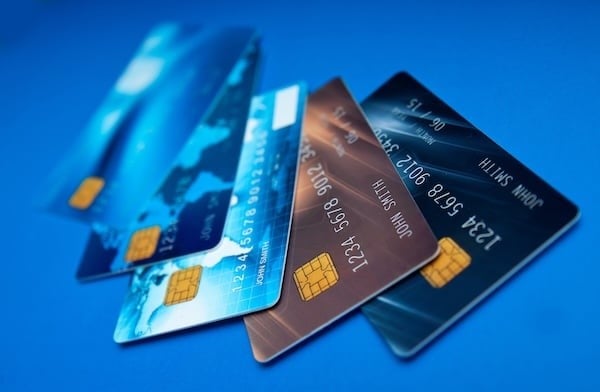
Losing your job can quickly transform manageable credit card debt into a growing financial burden. Without a steady income, interest continues to accrue, minimum monthly payments become harder to meet, and balances can rise even when spending is limited to essentials. Understanding your options early — from hardship programs to debt settlement programs — can help you regain stability.

Losing a job is one of the most disorienting financial events a person can experience. One month, your credit card balances feel entirely manageable. The next, the same balances feel like a weight you cannot move. Nothing about your spending necessarily changed, but everything about your financial situation did.

This is not a reflection of poor planning or irresponsible behavior. Job loss is a life event. It can happen to anyone, at any income level, in any industry. What makes it financially dangerous is not just the loss of income itself, but the way fixed obligations — credit card payments, interest charges, insurance premiums — keep accumulating regardless of what is happening in your life.

The good news is that understanding exactly what is happening to your finances during this period gives you a real advantage. When you know why balances grow, which expenses to prioritize, and what options are available to you, you can make more deliberate decisions rather than reactive ones. This guide walks through each of those steps, from the moment income stops to the point where financial recovery begins to take shape.

Why Job Loss Can Quickly Change Your Financial Situation

Before exploring solutions, it helps to understand why unemployment creates financial pressure so quickly — even for people who were managing their finances responsibly beforehand.

When regular income stops, several things happen at once. Your fixed monthly expenses — rent or mortgage, utilities, insurance, and minimum credit card and loan payments — continue without interruption. At the same time, your ability to cover those expenses disappears or shrinks significantly. Unemployment benefits, where available, typically replace only a portion of previous income, and there is often a waiting period before payments begin.

The result is a gap between what you owe each month and what you have available to pay it. Even a temporary interruption in income can significantly affect your ability to manage credit card debt and other existing financial obligations. The longer that gap goes unaddressed, the more difficult it becomes to close.

There is also an emotional dimension worth acknowledging. Financial stress affects decision-making. When people feel anxious or uncertain about their personal finances, they may delay reviewing their accounts, avoid opening bills, or make spending choices based on short-term relief rather than long-term stability. Recognizing this tendency is not a criticism — it is a reminder to build a plan early, before stress makes clear thinking harder.

How Credit Card Debt Can Grow During Unemployment

Credit card debt behaves differently from other types of debt during periods of financial hardship. Understanding how balances can increase — even when you are trying to limit spending — helps explain why early action matters.

Here is what typically happens when income stops and credit card balances are already in place:

  • Essential expenses shift to credit. Without cash flow to cover groceries, gas, or utility bills, many people turn to available credit. These are not discretionary purchases — they are necessities. But charging them to a credit card means the balance grows rather than stays flat.
  • Interest continues to accrue. Credit card interest compounds daily on most accounts. Even if you stop using the card entirely, an existing balance will grow each month through interest charges alone.
  • Minimum payments extend repayment timelines. When cash is limited, paying only the minimum may feel like the only option. Minimum payments are designed to keep accounts current, but they cover very little of the principal balance, meaning the bulk of what you owe remains and continues to accrue interest.
  • Missed payments trigger fees and rate increases. If a payment is missed entirely, you may face late fees and, in some cases, a penalty interest rate that is higher than your standard rate.
  • Credit utilization rises. As balances increase relative to your credit limits, your credit utilization ratio — a key factor in credit scoring — can rise, which may affect your credit profile over time.

Without a repayment strategy, balances may increase even if spending is limited to necessities. That is why taking action sooner, rather than waiting for the situation to stabilize on its own, is generally the more effective path.

Prioritize Essential Expenses in Your Debt Management Plan

When income is reduced or interrupted, the first financial task is identifying which expenses must be maintained and which can be paused or reduced. Not all obligations carry equal urgency, and making clear distinctions can help you preserve stability while you work toward new employment.

The following categories represent essential expenses — the ones that protect your basic needs and support your ability to return to work:

  • Housing. Mortgage or rent payments protect your most fundamental stability. If you are at risk of falling behind on paying bills, contact your lender or landlord early. Many have hardship accommodations available, but these typically require proactive communication.
  • Utilities. Electricity, water, gas, and internet access fall into this category. Several utility providers offer assistance programs and payment plans for customers experiencing financial hardship.
  • Food. Groceries are a necessity. If budgets are tight, community food banks and SNAP benefits may provide meaningful support for those facing financial troubles.
  • Transportation. If your job search requires a vehicle, maintaining it is a reasonable priority. Evaluate whether insurance coverage can be temporarily adjusted to save money and reduce costs.
  • Insurance. Health insurance, in particular, should be maintained where possible. The cost of an uninsured medical event can create far greater financial pressure than a monthly premium.
  • Healthcare. Ongoing prescriptions and essential medical care should remain part of your budget even when other areas are reduced.

Creating a temporary spending plan that reflects only these priorities can help stretch available resources further. The goal is not perfection; it is maintaining the foundation that supports your ability to rebuild while ensurig you are covering expenses that are essetial.

Focusing on essential expenses can help preserve financial stability while you work toward new employment.

Review Your Credit Report and Accounts

One of the most practical steps you can take early in a period of unemployment is a thorough review of your existing credit card accounts. This is not about confronting difficult numbers — it is about giving yourself accurate information so you can make better decisions.

For each account, gather the following details:

  • Interest rate (APR). Your annual percentage rate determines how quickly interest accumulates on your balance. Accounts with higher APRs cost more over time.
  • Minimum payment. Know the minimum required to keep each account current, even if you cannot pay more right now.
  • Payment due date. Tracking due dates reduces the risk of missed payments and the fees that follow.
  • Current balance. Knowing your total outstanding balance across all your debts gives you a clearer picture of your overall financial situation.
  • Which accounts are costing the most. Accounts with higher balances and higher interest rates tend to grow fastest and should be prioritized when resources allow.

Knowing exactly where you stand makes it easier to prioritize repayment decisions and communicate clearly with lenders if you need to request accommodations.

Explore Available Debt Relief Options

Before considering new borrowing or formal repayment strategies, it is worth exploring what support may already be available to you. Several options exist that can provide short-term relief without requiring additional debt.

  • Contact your credit card issuers directly. Many credit card companies have hardship programs that are not widely advertised. These may include temporary lower interest rates, waived fees, or modified payment arrangements. Reaching out before you miss a payment generally produces better outcomes than calling after the fact.
  • Request a temporary payment arrangement. Some issuers will work with you on a modified payment schedule during a documented period of financial hardship. Terms vary by lender and are not guaranteed, but asking is always a reasonable first step when you are having trouble paying off your debts.
  • Apply for state unemployment benefits. If you have not already done so, filing for unemployment benefits as soon as possible after a job loss can provide partial income replacement while you search for a new job. Eligibility requirements and benefit amounts vary by state.
  • Research community assistance resources. Local nonprofit credit counseling agencies, community organizations, and government programs may offer food assistance, utility support, or emergency financial aid for qualified individuals.
  • Draw on emergency savings, if available. If you have savings set aside for situations like this, using them to cover essential expenses and minimum payments is exactly what they are intended for. The priority is preserving financial stability, not protecting a savings balance.

Reaching out early may provide additional flexibility while you work to regain financial stability.

When a Debt Consolidation Loan May Be Worth Considering

Once you have addressed immediate needs and explored available assistance, it may be appropriate to evaluate longer-term repayment options. For some people managing multiple credit card balances — each with its own variable interest rate, minimum payment, and due date — a debt consolidation loan is worth understanding.

A personal loan used for debt consolidation works by replacing multiple revolving balances with a single fixed-rate loan. Here is what that can look like in practice:

  • Simplified repayment. Instead of tracking multiple due dates and payment amounts, you make one payment per month to a single lender.
  • Fixed interest rate. Credit card interest rates are typically variable and can change over time. A fixed-rate personal loan carries the same rate for the life of the loan, which makes budgeting more predictable.
  • One predictable monthly payment. Knowing your exact payment amount each month can help you plan more effectively, particularly when income is just returning to normal.
  • Defined payoff timeline. Personal loans have a set repayment term, so you know exactly when the balance will be paid in full. Revolving credit card debt does not have a built-in end date, which can make it harder to track progress.

That said, eligibility for a consolidation loan depends on a number of factors, including credit history, income, and the lender's requirements. Depending on your financial situation and qualifications, a consolidation loan may help simplify repayment, but it is most effective as a tool for borrowers whose income has stabilized enough to support a consistent monthly payment.

It is also worth noting that consolidating debt does not eliminate it. A realistic repayment plan should accompany any loan decision, and borrowing more than necessary or taking on a payment that does not fit your budget can add financial pressure rather than reduce it.

Rebuilding Your Finances After Returning to Work

Returning to employment is an important milestone, but it is not the end of the financial recovery process. Many people find that the habits and strategies developed during unemployment serve them well once income resumes, and that staying focused on repayment during this period can significantly accelerate progress.

Consider the following steps as income returns:

  • Update your budget to reflect your new income. A temporary spending plan built during unemployment may need to be revised, but the discipline of tracking essential expenses is worth maintaining.
  • Rebuild emergency savings gradually. Even small, consistent contributions to a savings account can help over time. The goal is to rebuild a buffer that could reduce reliance on credit during a future disruption.
  • Pay more than the minimum when possible. As cash flow improves, increasing credit card payments above the minimum reduces principal faster and decreases the total amount of interest paid over time.
  • Reduce reliance on revolving credit. As balances decrease, working toward keeping credit card utilization lower can support your credit profile and reduce the cost of carrying any remaining balance.
  • Track repayment progress. Monitoring balances over time, even informally, helps reinforce the progress you are making and supports consistent decision-making.

Financial recovery often continues well after employment resumes, making long-term planning just as important as short-term solutions.

Steps You Can Take to Prepare for Future Income Disruptions

Recovering from a job loss and the debt it can generate is a meaningful achievement. Building on that recovery by strengthening your financial foundation over time can make any future disruption more manageable.

  • Build an emergency fund gradually. Financial advisors commonly recommend three to six months of essential expenses as a target, but even a smaller fund provides meaningful protection. Regular, modest contributions over time add up.
  • Diversify income where possible. Freelance work, part-time income, or developing additional skills can reduce the impact of any single job loss on your overall financial stability.
  • Review monthly expenses regularly. A periodic review of fixed and variable expenses can reveal areas where spending can be reduced or redirected without meaningfully affecting your quality of life.
  • Maintain a realistic budget. A budget that reflects your actual income and obligations — rather than an idealized version of your finances — gives you more accurate information to work with when circumstances change.
  • Monitor your credit health. Reviewing your credit report regularly allows you to identify and address any inaccuracies and understand how your financial behavior is affecting your credit profile over time.

While job loss is often unexpected, building financial resilience over time may help reduce its impact in the future.

Moving Forward, One Step at a Time

Job loss can turn manageable credit card balances into a much larger financial challenge, but it does not mean your options have run out. By understanding your financial obligations, prioritizing essential expenses, exploring available assistance, and creating a structured repayment strategy, you can take meaningful steps toward regaining control.

The path forward does not require perfection. It requires a plan, consistent follow-through, and a willingness to ask for help when it is available. As your financial situation improves, staying focused on long-term planning can help support greater stability and put you in a stronger position to weather whatever comes next.

If you are exploring options for managing credit card debt after job loss, a personal loan for debt consolidation may be worth reviewing as one part of a broader repayment strategy. Understanding your options is always a good place to start.

Frequently Asked Questions

What should I do first if I lose my job and have credit card debt?

Start by reviewing your monthly expenses and separating essential costs — housing, utilities, food, transportation, and healthcare — from discretionary spending. Contact your credit card issuers early to ask about hardship programs, and file for unemployment benefits as soon as you are eligible. Having a clear picture of what you owe and what assistance is available helps you make more informed decisions from the outset.

Can I negotiate with my credit card company if I lose my job?

Yes. Many credit card issuers have hardship programs that can include temporarily reduced interest rates, waived fees, or modified payment arrangements. These programs are not always advertised, so you may need to call and ask directly. Contacting your lender before missing a payment typically results in more options than reaching out after one has been missed.

How does unemployment affect credit card debt?

Unemployment does not change what you owe, but it can make existing balances harder to manage. Without regular income, interest continues to accrue, minimum payments may be all that is manageable, and some people turn to credit cards to cover essential expenses — all of which can cause balances to grow. Understanding this dynamic early can help you take steps to limit how much debt grows before income resumes.

Is debt consolidation a good option after losing a job?

A consolidation loan may be worth considering once income has stabilized. Consolidating multiple credit card balances into a single fixed-rate personal loan can simplify repayment and make monthly budgeting more predictable. However, eligibility depends on factors like credit history and income, and taking on a new loan without a realistic repayment plan can create additional financial pressure. It is most effective when used as part of a structured approach to managing debt after job loss.

How long does financial recovery take after a job loss?

Recovery timelines vary depending on how long unemployment lasts, how much debt accumulated during that period, and how quickly income returns to its previous level. For many people, the recovery process continues for several months after returning to work. Prioritizing debt repayment, rebuilding savings, and maintaining a clear budget can all contribute to a more consistent recovery over time.

What can I do now to protect myself from future job loss?

Building an emergency fund — even gradually — is one of the most effective steps you can take. Setting aside funds to cover three to six months of essential expenses gives you a financial buffer if income is ever interrupted again. Regularly reviewing your monthly expenses, maintaining a realistic budget, and monitoring your credit health can also help you respond more effectively if your financial situation changes unexpectedly.

Disclaimer: The information provided in this blog post is for educational and informational purposes only and should not be considered as financial, legal, investment, or tax advice. Symple Lending is not responsible for any financial outcomes resulting from following the information or ideas shared in this blog. Every individual's financial situation is unique, and we strongly encourage readers to take their own circumstances into consideration and consult with a qualified financial, legal, tax, and investment advisor before making any financial decisions. Symple Lending does not provide financial, legal, tax, or investment advice.

How Job Loss and Credit Card Debt Go Hand in Hand

How Job Loss and Credit Card Debt Go Hand in Hand

Losing your job can quickly transform manageable credit card debt into a growing financial burden. Without a steady income, interest continues to...

Continue Reading
How to Rebalance Your Monthly Budget for Peak-Cost Seasons

How to Rebalance Your Monthly Budget for Peak-Cost Seasons

High-expense periods—like the winter holidays, summer vacations, or property tax season—can easily derail your finances if you aren't prepared....

Continue Reading
Managing Credit Card Debt After a Medical Emergency

Managing Credit Card Debt After a Medical Emergency

A medical emergency can leave you carrying high-interest credit card debt long after you recover. To manage it, review your bills for accuracy,...

Continue Reading
Managing Credit Card Debt After a Medical Emergency

1 min read

Managing Credit Card Debt After a Medical Emergency

A medical emergency can leave you carrying high-interest credit card debt long after you recover. To manage it, review your bills for accuracy,...

Continue Reading
The Real Cost of Making the Minimum Payment on $25,000 Credit Card Debt

1 min read

The Real Cost of Making the Minimum Payment on $25,000 Credit Card Debt

Paying only the minimum on a $25,000 credit card balance at a typical 24% APR can take more than 30 years and cost over $48,000 in interest alone....

Continue Reading
How to Stop Paying Credit Card Interest: A Complete Guide

1 min read

How to Stop Paying Credit Card Interest: A Complete Guide

To stop paying credit card interest, pay your balance in full before the due date, which preserves your grace period. When full payment isn't...

Continue Reading