Financial Flexibility Tips to Help You Stay on Track
Financial stability is not only about how much money you earn or save. It is also about how well your finances can adjust when life does not go as...
Whether you're covering unexpected expenses, making a big purchase, or just need extra cash, our personal loans offer simple, flexible funding tailored to your needs.
Simplify your finances with a loan that combines multiple payments into one. Our consolidation loans help reduce stress and keep your budget on track.
Upgrade your living space with financing designed for renovations, repairs, or remodeling. Our home improvement loans help you enhance your home’s comfort, value, and functionality—on your terms.
Explore expert insights, financial tips, and strategic guidance from the Symple Lending team. Our insights and resource articles are your go-to source for empowering content that helps you make informed decisions on your journey to financial freedom.
Stay up-to-date with the latest press releases, media features, and major announcements from Symple Lending. This section showcases how we're making headlines and driving innovation in the lending industry.
Table of Contents
Financial stability is not only about how much money you earn or save. It is also about how well your finances can adjust when life does not go as planned. That is where financial flexibility matters.
In practical terms, financial flexibility means having enough room in your budget, savings, and borrowing choices to handle change without losing control of your overall plan. It can help you manage a car repair, a reduced paycheck, a medical bill, or even a shift in monthly expenses without feeling like one problem has to undo everything else.
If you want to understand how to stay financially stable, it helps to look beyond income alone. You also need a plan that gives you options. In this guide, you will learn what financial flexibility looks like in everyday life, how it supports better decisions during stress, and which habits can help you build more stability over time.
Before you can build flexibility, it helps to define what it actually looks like in your day-to-day finances. This matters because the idea can sound vague until you connect it to real decisions. Financial stability generally means having enough financial health to stay prepared for long-term goals as well as unexpected emergencies, which supports long term financial health.
Financial flexibility means your money plan can adapt when something changes. Signs of stability often include low debt, steady saving habits, and a growing net worth. It does not mean you need unlimited savings or a perfect budget. It means you have enough margin to respond without immediately falling behind.
In everyday terms, financial flexibility may look like this:
For example, if your car needs a repair, flexibility means you can adjust without missing rent or relying on high-cost debt right away. If your work hours drop for a few weeks, flexibility means you already know which bills matter most and how long your savings can help.
That kind of preparation can make financial changes easier to manage.
Before looking at specific habits, it is important to understand why flexibility matters so much. This matters because many financial problems become harder when there is no room to adjust.
When your finances are rigid, even a moderate surprise can affect several areas at once. A single expense may lead to late fees, credit card balances, or missed savings goals. When your finances are more flexible, you can absorb that disruption with less pressure.
This is one reason staying on track financially often has less to do with perfection and more to do with adaptability. Flexibility can help you:
If you are seeing repeated setbacks from fairly common expenses, it usually means your plan needs more breathing room. That does not mean failure. It means your next step is to build more adaptability into your finances.
A flexible plan can help you respond without losing direction.
Before you rely on flexibility, it helps to understand where much of it comes from. This matters because savings are often the first layer of protection when life changes quickly.
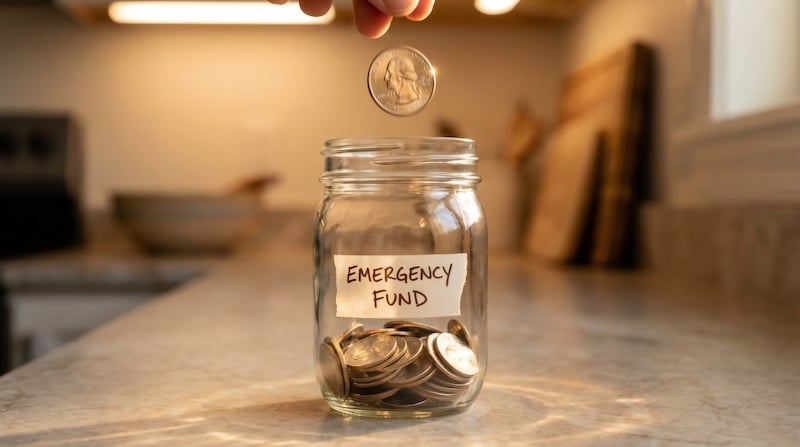
One of the clearest examples of financial flexibility during emergencies is having emergency savings. This money gives you time, and time often leads to better decisions. Many people aim to save three to six months of living expenses in an emergency savings fund, especially to prepare for job loss or a longer period of disruption. Without savings, you may feel pressure to borrow quickly, delay essentials, or shift money away from other important bills.
Emergency savings can support flexibility in several ways:
For example, imagine your car suddenly needs a major repair. If you have even a modest emergency fund, you may be able to cover emergency expenses without using a credit card for the full amount. If your savings are larger, you may be able to handle the bill and still protect the rest of your monthly budget.
Emergency savings do not need to be huge to be useful.
Before you can adapt well, you need to know where your money is already going. This matters because flexibility usually starts with visibility, not guesswork.
Budgeting for financial flexibility means building a spending plan that leaves room for change. It starts by comparing your monthly income with your current expenses and regular monthly bills. It is different from a budget that only works when every month goes exactly as expected. A flexible budget recognizes that real life includes uneven costs, seasonal bills, and occasional surprises.
A more adaptable budget often includes:
Here is a simple example. If your full paycheck is assigned down to the last dollar every month, any extra cost may create stress right away. If you leave a small cushion or create savings categories for irregular expenses, you have more room to respond and pay bills with less money stress when there is less money coming in.
This is one of the most practical financial flexibility tips you can apply. Your budget should reflect real life, not an ideal version of it.
A budget with margin can help you stay steadier over time.
Before taking on new debt, it is important to know how it may affect your monthly breathing room. This matters because borrowing can either support stability or reduce it, depending on the structure.
Not all debt affects flexibility in the same way. A fixed monthly payment with a clear payoff date may be easier to manage than high interest debt that changes over time. At the same time, any new payment should still fit comfortably within your budget.
When reviewing borrowing decisions, consider both sides clearly:
Managing debt well means prioritizing repayment, using credit responsibly, and reducing interest charges over time.
If you are carrying revolving credit card balances with variable APRs, a structured personal loan may provide a more defined payoff timeline. That can support financial planning for stability if the payment is affordable and the total cost makes sense for your situation.
Before borrowing, review these questions:
Thoughtful borrowing can support flexibility, but only when it fits your broader plan.
Before building new habits, it helps to see how flexibility works in real situations. This matters because practical examples make financial planning easier to apply.
A routine health concern or one of life’s medical emergencies can turn into a larger bill than expected. If you have a small emergency fund, you may be able to use it to cover some of the medical bills before asking the provider about a payment plan for the rest. That reduces the chance of putting the full balance on a high-interest credit card.
Your hours are cut for one month, which can leave people living paycheck to paycheck with less room to cover bills. If you already know your essential monthly expenses and have a flexible budget, you can pause nonessential spending, use savings for the shortfall, and stay current on your priority bills, while a larger reserve can help cover expenses during job loss or another longer period of reduced income. If income stays lower, taking a second job or finding another way to bring in more money may need to be part of the plan.
You need car repairs so you can keep getting to your job. If you have a separate vehicle repair fund, or room in your savings to cover unexpected expenses like this without relying on credit, the repair becomes a financial setback rather than a larger crisis. If borrowing becomes necessary, you have time to review the terms instead of choosing the fastest option available.
Back-to-school costs, higher utility bills, or holiday travel can stretch your budget. If you have planned for irregular costs in advance, those changes may be inconvenient but not destabilizing.
These examples show that flexibility does not remove problems. It helps you respond more calmly and more effectively.
Before flexibility becomes useful in a crisis, it usually begins with steady habits in ordinary months. This matters because small systems often do more for stability than large one-time efforts.
If you want to build financial resilience, here are practical strategies to start with:
Calculate the amount you need for housing, food, utilities, insurance, transportation, minimum debt payments, and other regular living expenses against your expected income, especially if your income varies. This gives you a baseline for emergency financial planning, and the same amount of savings or spending room will not work for everyone because budgets differ by situation.
Start with a first milestone, such as $250, $500, or $1,000. Then work toward one month of essential expenses, followed by a larger reserve that ideally becomes a cash reserve covering three to six months of living expenses over time. This savings strategy can help you avoid becoming financially vulnerable when unexpected emergencies disrupt income or raise costs.
Set aside small amounts for expenses you know will return, such as car maintenance, annual subscriptions, school supplies, or medical copays. This protects your emergency fund from routine disruptions.
Look at recurring bills and ask whether any can be reduced, canceled, or renegotiated to save money and free up room for essential priorities, including subscriptions, insurance, or service costs. Lower fixed costs often improve flexibility more than short-term spending cuts alone.
Automatic transfers to savings can help you stay consistent even when life gets busy, especially if you set up recurring transfers from a checking account to savings accounts, whether through linked checking and savings accounts, direct deposit, or paycheck splitting. These recurring transfers tend to work best when timed around money coming in, and monitoring your checking account balance can support consistent contributions over time. The amount does not need to be large to be useful.
Before taking on any payment, review how it affects your monthly cash flow, your savings goals, and your ability to handle future surprises.
If you use your savings, treat that as part of the plan. Then begin restoring it with regular contributions, even if they are small at first.
These habits are simple, but together they form strong financial safety net strategies.
Before closing out your plan, it helps to look at the role mindset plays in financial stability. This matters because flexibility is not only about numbers. It is also about how you respond when the numbers change.
A flexible mindset does not mean you ignore stress or pretend everything is fine. It means you approach financial changes with structure instead of panic. Better financial knowledge and financial education can make the next useful step easier to choose, especially when you are learning basics like budgeting, saving, and borrowing decisions. You focus on the next useful step rather than the full problem all at once.
That mindset may include:
If you are working on managing unexpected expenses, this mindset can help you stay more organized and less overwhelmed. Calm decisions often come from clear systems, not from confidence alone.
A measured response can support better outcomes over time.
Before making major changes, it helps to start with a few actions you can complete soon. This matters because momentum often begins with simple steps.
Here is the simplest way to start:
This kind of short review supports both financial planning for stability and how to stay financially stable over time. You are not trying to control every possible outcome. You are creating more options for yourself when change happens.
Small steps can create meaningful flexibility.
Financial flexibility can help you stay on track because it gives your money plan room to adjust when life changes while supporting day-to-day needs and a solid foundation for retirement savings and other long-term priorities. Through savings, budgeting habits, clear borrowing decisions, and steady preparation, you can respond to disruptions with more structure and less stress.
The goal is not to make your finances perfect. The goal is to make them more adaptable. Start by reviewing your essentials, building a small savings cushion, and creating more space in your monthly budget so you have enough money for core expenses. Over time, those choices can help you build stability, resilience, and confidence in the way you manage whatever comes next.
Disclaimer: The information provided in this blog post is for educational and informational purposes only and should not be considered as financial, legal, investment, or tax advice. Symple Lending is not responsible for any financial outcomes resulting from following the information or ideas shared in this blog. Every individual's financial situation is unique, and we strongly encourage readers to take their own circumstances into consideration and consult with a qualified financial, legal, tax, and investment advisor before making any financial decisions. Symple Lending does not provide financial, legal, tax, or investment advice.
Financial stability is not only about how much money you earn or save. It is also about how well your finances can adjust when life does not go as...
Finding the best way to consolidate credit card debt can simplify your finances and save you thousands of dollars. However, achieving those savings...
Your savings account can take years to build, but a few unplanned expenses can reduce that balance much faster than many people expect. Understanding...