Skip to the main content.

Personal Loans

Whether you're covering unexpected expenses, making a big purchase, or just need extra cash, our personal loans offer simple, flexible funding tailored to your needs.

Learn more...

Consolidation Loans

Simplify your finances with a loan that combines multiple payments into one. Our consolidation loans help reduce stress and keep your budget on track.

Learn more...

Home Improvement Loans

Upgrade your living space with financing designed for renovations, repairs, or remodeling. Our home improvement loans help you enhance your home’s comfort, value, and functionality—on your terms.

Learn more...

Symple Insights

Explore expert insights, financial tips, and strategic guidance from the Symple Lending team. Our insights and resource articles are your go-to source for empowering content that helps you make informed decisions on your journey to financial freedom.

Learn More...

Symple News

Stay up-to-date with the latest press releases, media features, and major announcements from Symple Lending. This section showcases how we're making headlines and driving innovation in the lending industry.

Learn More...

2 min read

When Money Stress Affects Your Health: Signs, Coping Strategies, and Where to Get Help

When Money Stress Affects Your Health: Signs, Coping Strategies, and Where to Get Help
When Money Stress Affects Your Health
4:19

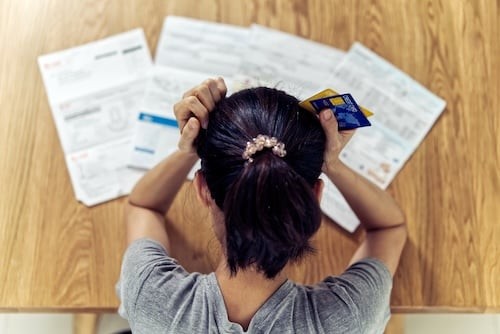
Money worries can affect more than your bank account. Here’s how money stress impacts mental and physical health, plus coping strategies and resources for US consumers who need practical next steps. If anxiety about money is interfering with sleep, relationships, work, or daily decisions, it may be time to treat it as both a financial issue and a health issue.

How Can Money Stress Show Up in Your Body and Mind?

Money stress can trigger emotional, physical, and behavioral changes. The CDC notes that long-term stress can worsen health problems and may appear as headaches, body aches, stomach issues, skin rashes, sleep problems, or changes in mood and behavior. (cdc.gov)

Common financial stress symptoms include:

  • Constant worry about bills, debt, rent, groceries, or emergencies
  • Avoiding bank accounts, mail, calls, or payment reminders
  • Trouble sleeping, concentrating, or making decisions
  • Irritability, shame, panic, or feeling “stuck”
  • Changes in appetite, energy, or motivation
  • Increased conflict with a partner or family member about money

Not everyone reacts the same way. Some people become hyper-focused on every dollar, while others shut down because the situation feels too overwhelming. Either response is understandable, but neither has to be permanent.

Small Steps Can Lower the Pressure

Good stress management starts with making the problem visible and manageable. You do not need to solve everything in one day. The goal is to reduce uncertainty, create a short plan, and give your nervous system fewer surprises.

Try this simple reset:

  1. Name the top concern. Is it missed payments, high credit card balances, medical bills, or unstable income?
  2. List essential expenses first. Focus on housing, food, utilities, transportation, insurance, and minimum debt payments.
  3. Choose one next action. Call a lender, request a payment plan, cancel one unused subscription, or schedule a budget review.
  4. Build a small buffer. Even a modest emergency cushion can make future setbacks feel less frightening.
  5. Set a money check-in time. Review finances once or twice a week instead of worrying all day.

The CFPB describes financial well-being as having control over day-to-day finances, capacity to absorb a financial shock, progress toward goals, and freedom to make choices that support life. (consumerfinance.gov)

When Should You Get Outside Help?

You should seek help with money stress when worry feels constant, you are avoiding urgent decisions, or your health is being affected. Support can come from both financial and mental health resources.

For money guidance, nonprofit credit counseling or financial counseling may help you review your budget, understand debt options, and create a repayment plan. The National Foundation for Credit Counseling connects consumers with member agencies that provide financial education and counseling support. (nfcc.org)

For emotional support, consider talking with a primary care provider, therapist, employee assistance program, or community clinic. SAMHSA offers tools to find mental health treatment and support in the United States. (samhsa.gov) If you or someone else is in immediate crisis or may be in danger, call or text 988 for the Suicide & Crisis Lifeline. (988lifeline.org)

The Takeaway

Money stress and mental health are closely connected, but taking one practical step can make the next step easier. Start small, use trusted resources, and ask for support before stress turns into crisis.

Read our full blog post here: https://symplelending.com/insights/simple-steps-to-ease-money-stress-for-good

Disclaimer: The information provided in this blog post is for educational and informational purposes only and should not be considered as financial, legal, investment, or tax advice. Symple Lending is not responsible for any financial outcomes resulting from following the information or ideas shared in this blog. Every individual's financial situation is unique, and we strongly encourage readers to take their own circumstances into consideration and consult with a qualified financial, legal, tax, and investment advisor before making any financial decisions. Symple Lending does not provide financial, legal, tax, or investment advice.

When Money Stress Affects Your Health: Signs, Coping Strategies, and Where to Get Help

When Money Stress Affects Your Health: Signs, Coping Strategies, and Where to Get Help

Money worries can affect more than your bank account. Here’s how money stress impacts mental and physical health, plus coping strategies and...

Continue Reading
Debt Payments Not Reducing Balance: Why This Happens

Debt Payments Not Reducing Balance: Why This Happens

If your debt payments aren't reducing your balance, the cause is usually a combination of factors—high APRs directing most of each payment toward...

Continue Reading
Small Steps, Big Relief: A 30-Day Plan to Regain Control of Your Finances

Small Steps, Big Relief: A 30-Day Plan to Regain Control of Your Finances

This is a practical 30-day plan to reduce money stress with small daily and weekly actions for US consumers. Instead of trying to fix everything at...

Continue Reading