Skip to the main content.

Personal Loans

Whether you're covering unexpected expenses, making a big purchase, or just need extra cash, our personal loans offer simple, flexible funding tailored to your needs.

Learn more...

Consolidation Loans

Simplify your finances with a loan that combines multiple payments into one. Our consolidation loans help reduce stress and keep your budget on track.

Learn more...

Home Improvement Loans

Upgrade your living space with financing designed for renovations, repairs, or remodeling. Our home improvement loans help you enhance your home’s comfort, value, and functionality—on your terms.

Learn more...

Symple Insights

Explore expert insights, financial tips, and strategic guidance from the Symple Lending team. Our insights and resource articles are your go-to source for empowering content that helps you make informed decisions on your journey to financial freedom.

Learn More...

Symple News

Stay up-to-date with the latest press releases, media features, and major announcements from Symple Lending. This section showcases how we're making headlines and driving innovation in the lending industry.

Learn More...

5 min read

What to Know Before Getting a Personal Loan: Your Complete Guide

What to Know Before Getting a Personal Loan: Your Complete Guide
9:12

Taking out a personal loan can be a helpful way to manage expenses, but it’s important to understand how it works before making a decision. Whether you’re covering a major cost or looking for a more structured way to manage your finances through debt consolidation, having the right information upfront can help you avoid unnecessary stress later.

A personal loan is a financial tool, and like any tool, it works best when you understand how to use it. This article outlines the key things to know about taking out a personal loan so you can make the best decision for your financial needs.

Understand the Total Cost of the Loan

One of the most important things to review is the total cost of the loan, not just the amount you borrow. This includes the interest rate and any fees associated with the loan.

The true cost of your personal loan includes:

  • Annual Percentage Rate (APR): This includes interest rates plus and fees associated with the loan
  • Origination Fees: Upfront fees taken to process the loan
  • Prepayment Penalties: Fees for paying the loan off earlier than the scheduled date
  • Late Fees: Charges for missing or late loan payments

Even a small difference in interest rates can impact how much you pay over time. Make sure you understand how much you’ll pay monthly and how much the personal loan will cost overall by the time it’s fully repaid.

Looking at the full picture can help you make a more informed decision.

Common Types of Personal Loans

When considering a personal loan as a financial option, it's important to understand that there are different types of loans.

Secured loans are personal loans that require collateral from you, such as your house or vehicle. Since you are putting up collateral to take out the loan, interest rates are typically lower, as this type of loan is less risky for lenders. That is because, if you fail to make your payments, they collect your collateral instead.

Unsecured loans do not require any collateral from you, but this means they typically come with higher interest rates. This is because the lender is taking on more of a risk in providing this loan.

Before you take out a personal loan, make sure you understand exactly what type of loan it is, and what that means for your assets.

Know What Your Monthly Payment Will Be

Before taking out a personal loan, it’s important to know exactly what your monthly payment will be and whether it fits comfortably within your budget.

A consistent payment can help you stay organized, but only if it’s manageable. Take time to review your income and expenses so you can be confident that the payment won’t create additional financial pressure.

The goal is to use the personal loan to improve your financial situation, not make it more difficult to manage.

Review Your Credit Score and Profile

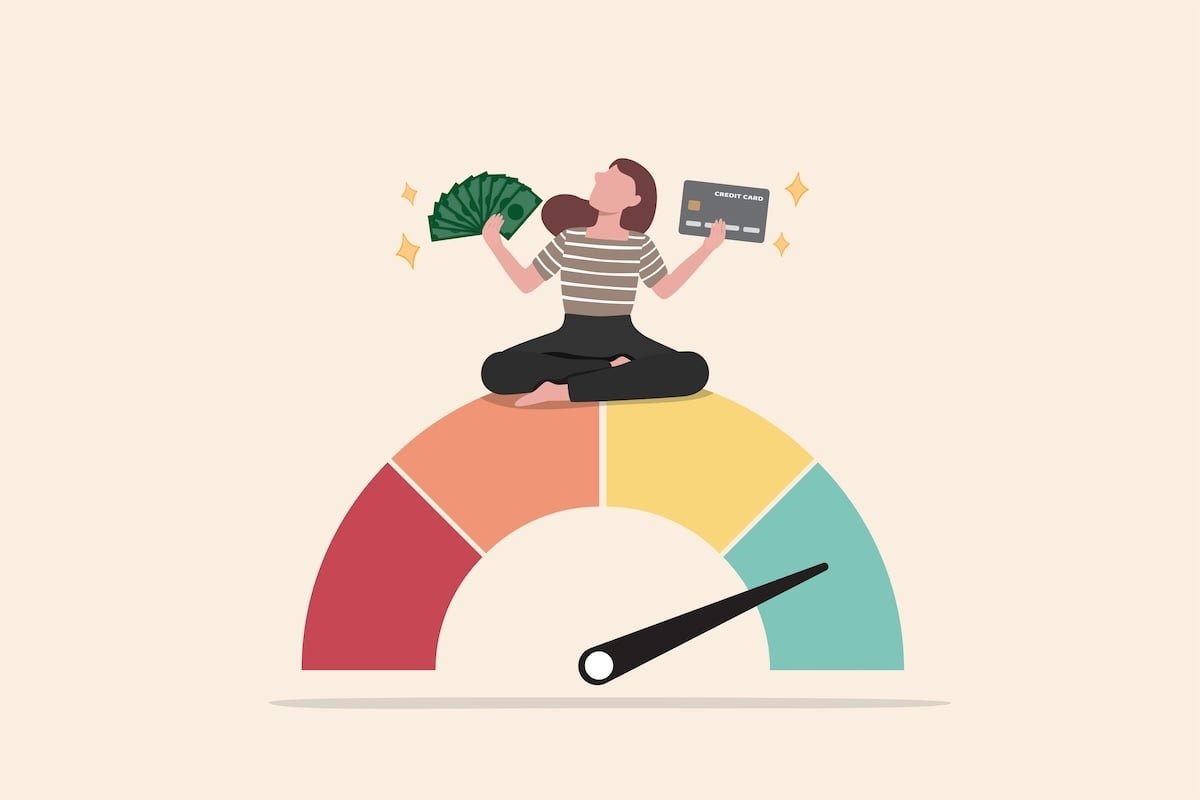
Your credit score and profile plays a role in determining your loan options, including your interest rate and loan terms. Reviewing your credit score ahead of time can give you a better idea of what to expect.

If your credit score is lower than you’d like, you may still have options, but the terms may be different. Understanding your starting point helps you make a more informed decision and avoid surprises during the application process.

Key components of your credit profile include:

  • Payment History: This makes up 35% of your credit profile, and shows whether or not you pay your bills (credit cards, mortgages, auto loans, etc.) on time
  • Credit Utilization Ratio: This accounts for 30% of your credit profile, and is the ratio of total debt to available credit (it is best practice and recommended to aim to keep your credit utilization ratio at around 30% credit usage)
  • Length of Credit History: This makes up 15% of your credit profile, and shows the age of your oldest and newest accounts, plus the average age of all of your credit accounts
  • Credit Mix: This makes up 10% of your credit profile, and shows the variety of accounts you hold (credit cards, car loans, mortgage, student loans, etc.)
  • New Credit Inquiries: This accounts for 10% of your credit profile, and shows how often you apply for new credit and generate 'hard inquiries' on your credit report

While a higher credit score may land you a lower interest rate on your personal loan, it's important to know that there are options for all credit score ranges available.

Compare Lenders and Options

Not all lenders offer the same terms, so it’s important to compare your options. Look at interest rates, repayment terms, and any additional fees.

Some lenders also offer prequalification, which allows you to check potential interest rates and loan terms without impacting your credit score. This can be a helpful way to explore options from multiple lenders before committing to a personal loan.

It's important to make sure that, when you are reviewing personal loan options from various lenders, you aren't performing multiple hard credit inquiries at once. If lenders see multiple loan applications with hard credit checks in a short period of time, your credit score could be negatively impacted, meaning your loan terms might not be as favorable as you want.

Taking the time to compare can help you find a loan that best fits your needs.

Understand the Loan Terms

Every loan comes with specific terms that outline how it works. This includes the length of the loan, the repayment schedule, and any conditions tied to the agreement.

A longer loan term may result in lower monthly payments, but it can also increase the total cost over time. A shorter term may cost less overall but require higher monthly payments.

Understanding these trade-offs can help you choose an option that aligns with your financial situation.

Key components of your loan terms can include:

  • Interest Rates: Most personal loans have fixed rates, meaning your interest stays the same over the life of the loan. If you have a variable rate, your interest rate is subject to change over the life of the loan.
  • Payment Schedule: Your loan terms will outline whether your payments are monthly, bi-weekly, weekly, etc.
  • Fees and Penalties: This could include origination fees, late fees, missed payment fees, prepayment penalties, and more.
  • Collateral: If your loan is secured, your terms will outline the collateral required to obtain the loan. Unsecured loans do not require collateral.

Have a Clear Plan for How You’ll Use the Funds

Before taking out a personal loan, it’s important to have a clear purpose for the funds. Whether you’re covering a necessary expense or organizing your finances, having a plan can help you stay focused and avoid unnecessary borrowing.

Common purposes for personal loans include:

  • Debt Consolidation: Combines multiple high-interest debts into one lower-interest monthly payment
  • Home Improvements: Used for financing renovations, repairs, or upgrades to your home
  • Major Purchases: Covers large costs at a low monthly payment
  • Unexpected Emergencies: Urgent car repairs, medical bills, and other unexpected costs that might otherwise drain your savings
  • Large Life Events: Paying for weddings, education, expanding families, and more

Using the loan thoughtfully can make it easier to manage repayment and stay on track with your financial goals.

Borrow Money Responsibly

Borrowing money via a personal loan can be a helpful tool when used responsibly. Making on-time payments and staying consistent with your plan can support your overall financial stability.

At the same time, it’s important to avoid borrowing more than you need or taking on a payment that doesn’t fit your budget. Responsible borrowing is about balance, planning, and making decisions that support your long-term financial goals.

Making an Informed Borrowing Decision

Taking out a personal loan is a decision that should be approached with clarity and confidence. By understanding the total cost, reviewing your budget, and comparing your options, you can make a choice that supports your financial situation.

A personal loan can provide structure, flexibility, and support when used thoughtfully. The key is to plan ahead and make sure it aligns with your goals.

If you’re considering a personal loan, taking the time to explore your options and check your rate can help you move forward with confidence.

Disclaimer: The information provided in this blog post is for educational and informational purposes only and should not be considered as financial, legal, investment, or tax advice. Symple Lending is not responsible for any financial outcomes resulting from following the information or ideas shared in this blog. Every individual's financial situation is unique, and we strongly encourage readers to take their own circumstances into consideration and consult with a qualified financial, legal, tax, and investment advisor before making any financial decisions. Symple Lending does not provide financial, legal, tax, or investment advice.

What to Know Before Getting a Personal Loan: Your Complete Guide

What to Know Before Getting a Personal Loan: Your Complete Guide

Taking out a personal loan can be a helpful way to manage expenses, but it’s important to understand how it works before making a decision. Whether...

Continue Reading
APR FAQs: Fixed vs. Variable, Intro Rates, 0% APR, and Common Misconceptions

APR FAQs: Fixed vs. Variable, Intro Rates, 0% APR, and Common Misconceptions

Understanding Annual Percentage Rate (APR) is crucial for managing your debt, yet it remains one of the most confusing aspects of personal finance....

Continue Reading
Building a Financial Plan for Life's Big Milestones (Step-by-Step Guide)

Building a Financial Plan for Life's Big Milestones (Step-by-Step Guide)

Did you know that nearly 60% of Americans say they're living paycheck to paycheck, even while juggling major life events like buying a home, starting...

Continue Reading