Skip to the main content.

Personal Loans

Whether you're covering unexpected expenses, making a big purchase, or just need extra cash, our personal loans offer simple, flexible funding tailored to your needs.

Learn more...

Consolidation Loans

Simplify your finances with a loan that combines multiple payments into one. Our consolidation loans help reduce stress and keep your budget on track.

Learn more...

Home Improvement Loans

Upgrade your living space with financing designed for renovations, repairs, or remodeling. Our home improvement loans help you enhance your home’s comfort, value, and functionality—on your terms.

Learn more...

Symple Insights

Explore expert insights, financial tips, and strategic guidance from the Symple Lending team. Our insights and resource articles are your go-to source for empowering content that helps you make informed decisions on your journey to financial freedom.

Learn More...

Symple News

Stay up-to-date with the latest press releases, media features, and major announcements from Symple Lending. This section showcases how we're making headlines and driving innovation in the lending industry.

Learn More...

11 min read

What Happens to Credit Cards After Paying Them Off With a Personal Loan?

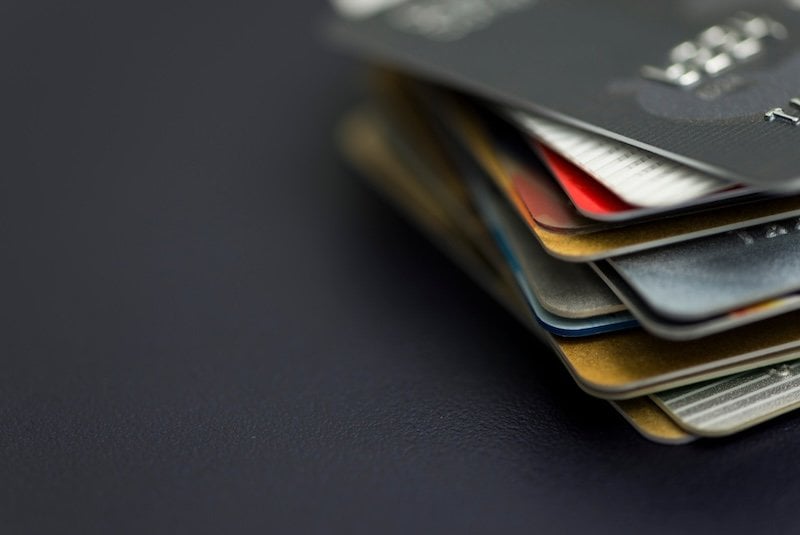
Stack of multicolored credit cards close-up
What Happens to Credit Cards After Paying Them Off With a Loan?
21:12

Paying off a credit card with a personal loan generally doesn't close the account. Your card usually remains open with available credit, though your issuer could close or restrict it under certain circumstances. What you do with the card afterward—and how you manage your new personal loan—can affect your financial progress going forward.

Using a personal loan to pay off credit card balances can change how you manage your monthly financial obligations. Instead of juggling several card payments with different due dates and interest rates, you're left with a single, fixed loan payment. That shift alone can make your budget easier to follow.

However, paying off a credit card doesn't necessarily mean the account disappears or closes. Many borrowers wonder whether their cards remain usable, how their credit scores may be affected, and whether they should keep the accounts open at all. These are reasonable questions, and the answers depend on a mix of account terms, credit habits, and personal financial goals.

Here's the direct answer: your credit cards generally remain open after being paid off with a personal loan, unless you or your card issuer decide to close them. What changes is your available credit, your credit utilization, and the number of financial obligations you're actively managing. The sections below walk through each of these changes in detail, along with practical steps you can take once your payoff is complete.

Do Credit Card Accounts Automatically Close After You Pay Them Off?

Paying off a credit card balance typically doesn't close the account. Your card issuer continues to view the account as open and available, and the account remains part of your credit profile whether or not you use it again.

Once your payment posts, your account may show a zero balance with available credit restored. You can generally continue using the card, subject to your issuer's terms and your own account standing. That said, your issuer may independently close or restrict an account under certain circumstances, such as prolonged inactivity or a change in your credit profile.

It's worth emphasizing that paying off a balance and closing an account are two separate actions. One reflects what you owe; the other reflects whether the account itself continues to exist. Understanding this distinction can help you avoid confusion as you review your accounts after a payoff.

What Happens to Your Available Credit?

As your payoff payment posts, your available credit on that card generally increases. A paid-off card may have most or all of its original credit limit available again, since available credit is simply the difference between your credit limit and your current balance.

Your account's credit limit typically remains unchanged unless your issuer adjusts it independently. Reviewing your account after the payment posts can help you confirm your available credit matches what you expect.

Can You Still Use the Card?

Generally, yes, if the account remains open and in good standing. Your card issuer's terms continue to apply, and you can make new purchases just as you did before.

However, it's worth considering whether continuing to use the card aligns with your financial goals. If the personal loan was taken out specifically to simplify your revolving debt, using the card again right away could work against that progress. Taking a moment to think through your spending plan can help you use the account in a way that supports your broader financial picture.

How Long Does It Take for Your Credit Card to Show a Zero Balance?

A payment you submit may not immediately appear as a zero balance on your account. Several factors can influence how quickly your balance updates:

  • Payment Processing Times: Your issuer needs time to process and apply your payment, which can take a few business days depending on the payment method.
  • Pending Purchases: Any transactions made before your payoff that haven't fully posted yet can affect your displayed balance.
  • Accrued Interest: Interest that accumulated before your payoff was applied may still appear as a separate charge.
  • Fees or Other Charges: Annual fees or other charges billed around the same time as your payoff can leave a small remaining balance.
  • Issuer Posting Procedures: Each card issuer has its own internal process for applying payments and updating account balances.

What Is Residual Interest?

Residual interest, sometimes called trailing interest, can appear after you pay off a balance that has been accruing interest. This happens because interest may continue accumulating between your previous statement date and the date your payoff payment is actually credited to the account.

In practical terms, this means you could pay what you believe is your full balance and still see a small additional charge on your next statement. This isn't a sign of an error; it reflects how interest calculations work between billing cycles.

What Should You Do If a Small Balance Remains?

If you notice a small balance after your payoff, a few simple steps can help you resolve it:

  • Review the Account: Check your account a few days after your payment posts to confirm the balance reflects what you expect.
  • Check Your Next Statement: Look for any residual interest or fees that may have accrued before your payoff was applied.
  • Contact Your Card Issuer: Reach out if the remaining amount is unclear or doesn't match your records.
  • Pay Outstanding Charges on Time: Address any remaining balance by the due date to avoid additional interest or late fees.

Taking these steps can help you confirm your payoff was successful and avoid any surprises on future statements.

Should You Keep Your Credit Cards Open After Paying Them Off?

Keeping your accounts open may offer certain credit-related advantages, but it isn't automatically the best decision for everyone. Your choice depends on your spending habits, your financial goals, and the specific terms of each card.

Potential Benefits of Keeping Cards Open

  • Maintaining Available Revolving Credit: An open account with a credit limit contributes to your total available credit.
  • Supporting a Lower Utilization Ratio: More available credit relative to your balances can help keep your credit utilization rate lower.
  • Preserving Established Account Relationships: Older accounts contribute to your overall account history with that issuer, and keeping them open can help preserve the average age of your accounts.
  • Retaining Access to Available Credit When Appropriate: Keeping a card open gives you access to credit for planned purchases or unexpected expenses when you need cash flexibility.

Reasons Someone Might Consider Closing Credit Cards

  • An Unused Annual Fee: If a card carries a high annual fee that no longer provides value to you, closing it may make sense, though asking the issuer about a no fee version or a statement credit can be an alternative first.
  • A Pattern of Overspending: If the card tends to encourage spending beyond your monthly budget, closing it may support your goals.
  • A Desire to Simplify: Some borrowers prefer managing fewer accounts, even if it means giving up some available credit.
  • A Shift in Priorities: If the account no longer fits your current financial plan, closing it is a reasonable option to weigh, especially after comparing its ongoing rewards with its costs.

Does Closing a Credit Card Hurt Your Credit Score?

Closing an account may reduce your total available revolving credit, which can potentially increase your utilization ratio if balances remain on your other cards. Closing a paid-off credit card account also removes that card’s limit from your total credit limit, and if balances remain elsewhere, the score impact can sometimes be around 10 to 50 points. This is one reason some borrowers choose to keep paid-off accounts open, particularly if they're actively managing other revolving balances.

It's also worth noting that closed accounts in good standing may remain on your credit reports for years. According to Equifax, closed accounts paid as agreed can stay on your credit report for up to 10 years (Equifax). Capital One similarly notes that closed accounts usually remain part of your credit history calculations for a significant period (Capital One). Length of credit history affects about 15% of your FICO score, which is why closing an older account can matter. This means closing a card doesn't necessarily erase its payment history or immediately eliminate its contribution to your account age.

The decision to keep a card open or close it should account for the credit implications, any associated fees, and your personal spending habits. There's no single right answer that applies to everyone. If you expect to apply soon for a mortgage or other new credit, a temporary score drop after closing a card could hurt approval odds.

What Happens to Your Credit Score After Consolidating Credit Card Debt With a Personal Loan?

The overall effect on your credit score depends on several factors working together, not a single change in isolation. One reason people use a personal loan to consolidate credit card debt is that personal loans typically have lower interest rates than credit cards, which may also create some interest savings if the new rate is lower.

Credit Utilization May Decrease

Paying down your revolving credit card balances may reduce your utilization, which can positively influence certain credit-scoring factors. According to information commonly published by FICO, amounts owed—which includes your utilization ratio—represents roughly 30% of a FICO Score calculation. Lower utilization is often viewed favorably, though it's only one piece of a larger picture.

Opening a Personal Loan Can Affect Your Credit Profile

Taking out a personal loan can introduce a hard inquiry on your credit report and add a new installment account to your credit profile. It can also affect whether you later qualify for other credit, depending on your broader profile and a lender’s criteria. These changes can affect your credit score differently depending on your broader credit history, including how many other accounts you have and how long you've had credit overall. If you compare offers from different lenders, remember that the rate and terms available can vary based on your credit profile.

Payment History Still Matters

On-time payments remain one of the most significant factors in your credit profile. FICO commonly cites payment history as accounting for roughly 35% of a FICO Score. A personal loan creates a new repayment obligation, and missed payments on that loan may negatively affect your credit just as missed credit card payments would.

Credit Score Changes Aren't Guaranteed

It's important to understand that paying off credit cards with a personal loan doesn't automatically produce a specific score increase or follow a guaranteed timeline. Any score changes may take three to six months to stabilize after account changes, depending on your balances and payment behavior. Your results depend on your unique credit history, your other accounts, and how consistently you manage your new loan payments going forward.

What Happens to Your Credit Utilization After Paying Off Your Cards?

Credit utilization compares your revolving balances with your available revolving credit limits, using this formula:

Credit Utilization Ratio = Total Revolving Balances ÷ Total Revolving Credit Limits × 100

Here's a hypothetical example to illustrate the concept:

Factor

Before Payoff

After Payoff

Total Credit Card Balances

$15,000

$0

Total Credit Limits

$30,000

$30,000

Credit Utilization

50%

0%

This hypothetical example assumes all card balances are paid in full, credit limits remain unchanged, and no new charges appear on the accounts.

Moving those balances to a personal loan generally reduces your revolving utilization, since installment loans like personal loans aren't factored into the revolving utilization calculation the same way credit card balances are. At the same time, it's important to remember that the personal loan remains an outstanding financial obligation. A lower utilization ratio is only one part of your overall credit picture, and a 0% utilization ratio doesn't automatically produce the highest possible score. Credit-scoring outcomes depend on a combination of factors, not a single number.

Can You Use Your Credit Cards Again After Paying Them Off?

Generally, yes, if the accounts remain open and usable. Once your balance reaches zero and your issuer confirms the account is in good standing, you can typically make new purchases on the card.

That said, it's worth thinking carefully about how you use the account going forward. One pattern worth avoiding is paying off your cards with a personal loan and then accumulating substantial new balances, which can leave you managing both the loan payment and new card debt at the same time.

Why New Credit Card Balances Matter

  • New Payment Obligations: Any new balance you carry creates an additional monthly payment alongside your personal loan.
  • Resuming Interest Charges: Interest may resume accruing if you don't pay new balances according to your card's terms.
  • Increased Monthly Commitments: Adding new card payments on top of your loan payment can increase your overall monthly obligations.
  • Rising Credit Utilization: New balances can cause your utilization ratio to climb back up after you worked to bring it down.

How to Use Credit Cards Responsibly After Payoff

  • Set a Realistic Monthly Spending Limit: Decide in advance how much you're comfortable charging to the card each month.
  • Track Your Purchases: Keep a running record of what you're spending so balances don't grow unexpectedly.
  • Review Statements Regularly: Check each statement to confirm your charges and catch any unfamiliar activity.
  • Pay Statement Balances in Full When Possible: Paying in full each month can help you avoid new interest charges.
  • Use Account Alerts: Set up notifications through your card issuer to monitor your spending and due dates.

What Happens to Automatic Payments and Subscriptions?

Paying off a credit card doesn't automatically cancel any recurring transactions associated with the account. If you've used that card for subscriptions or regular bills, those charges will continue unless you update them separately.

Common examples include:

  • Streaming Subscriptions: Monthly entertainment services charged automatically to the card.
  • Insurance Payments: Auto, home, or life insurance premiums set up for recurring billing.
  • Utility Bills: Electric, water, or internet bills charged automatically each month.
  • Memberships: Gym memberships or other recurring membership fees.
  • Other Recurring Purchases: Any additional subscriptions or services billed on a regular schedule.

If you want the account to remain open, putting one small recurring bill on the card and paying it automatically can help keep the card active so it stays active and is less likely to be closed for inactivity.

If you've paid off a card you no longer intend to use, take time to review these recurring charges and update your payment method where needed. This simple step can help you avoid accidentally reactivating a balance on a card you meant to leave inactive.

What Happens to Your Personal Loan After the Credit Cards Are Paid Off?

Your personal loan remains active and must continue to be repaid according to its original terms. You'll have scheduled payments to make, and the loan carries its own interest rate, repayment term, and any applicable fees, so while it can simplify repayment, there's still some risk if you build new credit card balances afterward.

Paying off your credit cards doesn't eliminate the amount you borrowed through the loan; it simply restructures how that debt is organized, with the goal of organizing the money you owe rather than just moving it to a different account. Consistent, on-time payments toward your personal loan remain just as important as your card payments were before the payoff.

A Post-Payoff Checklist for Your Credit Cards

Reviewing your accounts methodically after a payoff can help you confirm everything is in order and set you up for continued progress.

Your Post-Payoff Checklist

  • Confirm that all intended payoff payments have posted.
  • Review the next statements for residual interest or remaining charges.
  • Verify the account status and available credit.
  • Review recurring subscriptions and automatic payments.
  • Evaluate whether keeping each card open makes sense.
  • Set spending alerts or limits where appropriate.
  • Update the monthly budget to include the personal loan payment.
  • Continue monitoring credit reports and account activity.

Working through this checklist step by step can help you confirm your payoff was handled correctly and give you a clear starting point for managing your accounts going forward.

Paying Off Your Cards Is One Step Toward Long-Term Financial Progress

Paying off credit card balances with a personal loan typically leaves your card accounts open unless you or your issuer separately close them. Your available credit, utilization, and account balances may change, but you still have a personal loan to repay according to its own schedule.

Responsible spending, consistent payments, and thoughtful account management remain important regardless of how you structured your debt. Whether you decide to keep your cards open, close a few, or simply change how you use them, the goal is to make choices that support your financial stability rather than recreate the balances you worked to pay down.

Frequently Asked Questions

Does paying off a credit card close the account?

No. Paying off a credit card balance typically doesn't close the account. The account remains open unless you or your card issuer take separate action to close it.

How long does it take for a credit card to show a zero balance after payoff?

It depends on your issuer's payment processing time, any pending transactions, and whether interest or fees accrued before your payoff posted. This can take anywhere from a few hours to several business days.

Should I close my credit cards after paying them off with a personal loan?

It depends on your situation. Keeping cards open may help preserve your total available credit and average account age, while closing a card may make sense if it has a high annual fee or encourages overspending. There's no single answer that fits every borrower. You can also ask about a no fee version instead of closing it.

Will my credit score go up after I pay off my credit cards with a personal loan?

Your credit score may be affected by lower utilization, but opening a personal loan can also introduce a hard inquiry and a new account. Results vary based on your individual credit history, and no specific score change or timeline can be guaranteed, though closing or opening accounts can sometimes move a score by 10 to 50 points depending on utilization and history, and changes may take three to six months to settle.

Can I use my credit cards again after paying them off?

Generally, yes, if the accounts remain open and in good standing. It's worth setting a spending plan so new balances don't offset the progress made through your payoff.

What happens to automatic payments on a card I paid off?

Recurring charges and subscriptions linked to the card will continue unless you update your payment method separately. Paying off the balance doesn't cancel these transactions. If you plan to keep the account open, leaving one small recurring bill on the card and setting up autopay can help keep it active.

Disclaimer: The information provided in this blog post is for educational and informational purposes only and should not be considered as financial, legal, investment, or tax advice. Symple Lending is not responsible for any financial outcomes resulting from following the information or ideas shared in this blog. Every individual's financial situation is unique, and we strongly encourage readers to take their own circumstances into consideration and consult with a qualified financial, legal, tax, and investment advisor before making any financial decisions. Symple Lending does not provide financial, legal, tax, or investment advice.

What Happens to Credit Cards After Paying Them Off With a Personal Loan?

What Happens to Credit Cards After Paying Them Off With a Personal Loan?

Paying off a credit card with a personal loan generally doesn't close the account. Your card usually remains open with available credit, though your...

Continue Reading
Setting Up a Simple “Household Money System” (Joint + Separate Accounts That Work)

Setting Up a Simple “Household Money System” (Joint + Separate Accounts That Work)

A household money system helps couples decide where income goes, how shared expenses are paid, and what money remains personal. For many US...

Continue Reading
Balance Transfer Vs. Personal Loan For Credit Card Balances

Balance Transfer Vs. Personal Loan For Credit Card Balances

A balance transfer can lower your total cost if you repay the full balance before the promotional period ends, while a personal loan offers a fixed...

Continue Reading