Unexpected Expenses? Here's Exactly What to Do (Step by Step)
Nearly 4 in 10 Americans say they couldn't cover a $400 emergency expense without borrowing money or selling something. If that number feels...
Whether you're covering unexpected expenses, making a big purchase, or just need extra cash, our personal loans offer simple, flexible funding tailored to your needs.
Simplify your finances with a loan that combines multiple payments into one. Our consolidation loans help reduce stress and keep your budget on track.
Upgrade your living space with financing designed for renovations, repairs, or remodeling. Our home improvement loans help you enhance your home’s comfort, value, and functionality—on your terms.
Explore expert insights, financial tips, and strategic guidance from the Symple Lending team. Our insights and resource articles are your go-to source for empowering content that helps you make informed decisions on your journey to financial freedom.
Stay up-to-date with the latest press releases, media features, and major announcements from Symple Lending. This section showcases how we're making headlines and driving innovation in the lending industry.
9 min read
Breanne Neely
:
March 29, 2026
Table of Contents
Nearly 4 in 10 Americans say they couldn't cover a $400 emergency expense without borrowing money or selling something. If that number feels uncomfortably close to home, you're in good company, and more importantly, you're not without a path forward.
An unexpected expense has a way of making even the most organized person feel like their finances are spinning out of control. But the truth is, it's not the surprise itself that causes the most damage; it's not knowing what to do next. This guide walks you through every step, clearly and without the guesswork, so you can face the situation head-on and come out steadier on the other side.
Picture this: you’re driving to work when your car suddenly breaks down. Or you open the mail to find a medical bill you weren’t expecting. Your stomach drops, and your mind races straight to your budget. When an unexpected expense occurs, like a car breakdown, medical emergency, or urgent home repair, it often happens without warning and can disrupt even the best-laid financial plans.
If that sounds familiar, you’re not alone. Unexpected expenses hit almost everyone at some point, even people who plan carefully. A surprise repair, a large bill, or an urgent home fix can throw off your finances fast and leave you feeling overwhelmed. An unexpected event like this can arise suddenly, making it difficult to keep up with regular payments or stick to your budget.
But here’s the reassuring part: feeling caught off guard doesn’t mean you’re out of options. With the right steps, you can work through an unexpected expense without spiraling into debt or panic. Let’s walk through exactly how to handle it, calmly and confidently.
Ever noticed how financial surprises tend to happen right when things feel stable? Unexpected expenses can quickly disrupt even the most carefully planned budget. Understanding what these situations look like is an important first step in protecting your financial well-being. Some of the most common examples include medical bills that arise without warning, urgent car repairs that require immediate attention, home repairs after storms or accidents, job loss that affects your income, and natural disasters that create sudden financial strain. Any of these situations can quickly throw off your budget and create stress if you're not prepared.
For example, an unexpected medical expense such as an emergency room visit or procedure can cost anywhere from $1,000 to $10,000 or more. Car repairs, whether it’s a major mechanical issue or an accident, often range from $500 to $2,000. Home repairs like fixing a roof or replacing a furnace can cost between $1,000 and $5,000. If you experience job loss, you may need enough savings to cover three to six months of living expenses, including housing, utilities, and other essential costs. Natural disasters can lead to even higher expenses, from property damage to temporary relocation. While these numbers can feel overwhelming, understanding them helps you prepare more effectively.
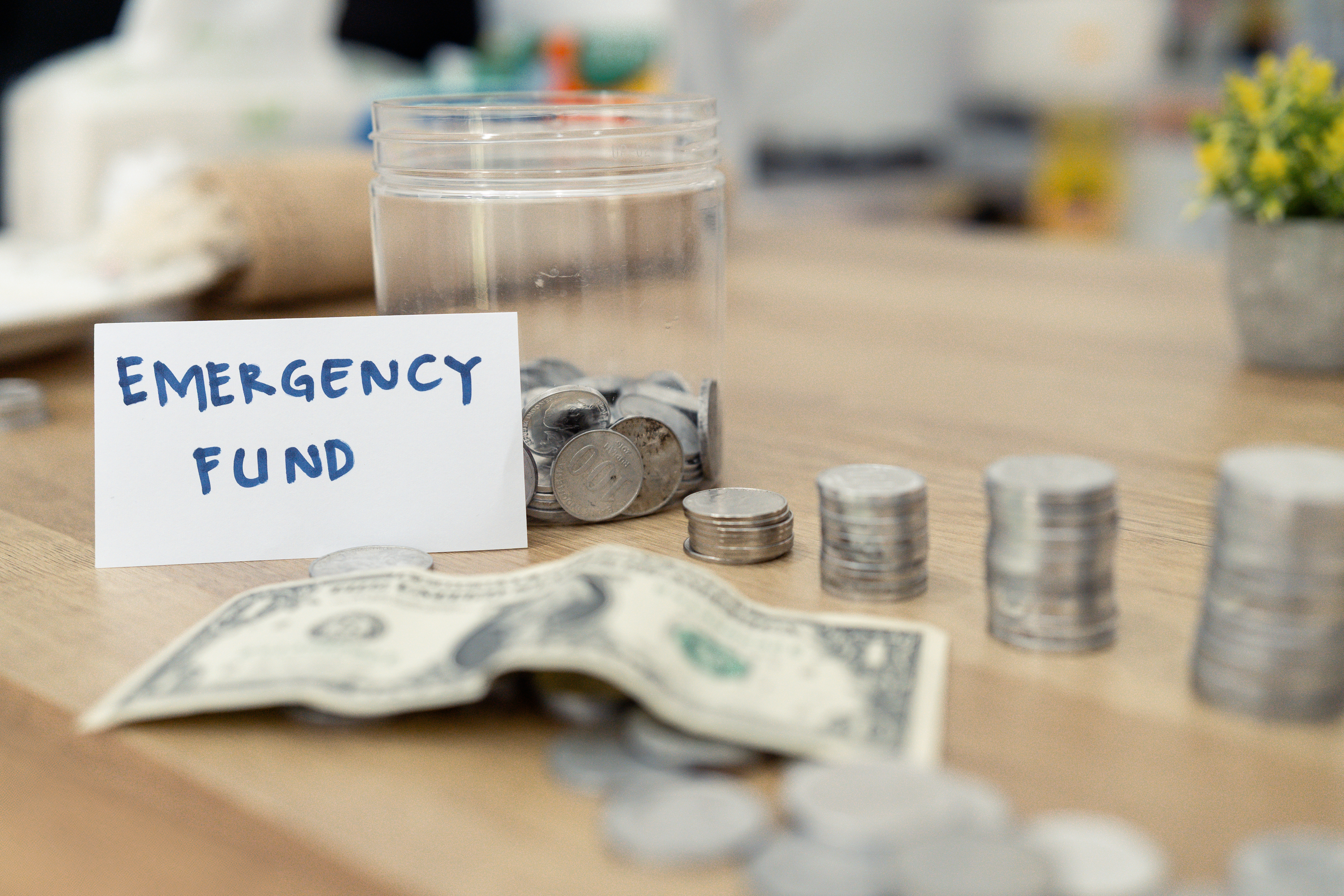
Building an emergency fund can make a significant difference in situations like these. Setting aside money in a dedicated savings account creates a financial cushion designed to help you handle unexpected costs. Many financial experts recommend saving enough to cover at least three to six months of living expenses. This can help you stay on track when facing medical bills, car repairs, or other unplanned costs.
If you haven’t built up that level of savings yet, there are still ways to manage unexpected expenses. You might temporarily reduce non-essential spending to free up cash, borrow from a trusted family member, or explore a personal loan as a way to cover the gap. Some credit card providers offer hardship programs, such as reduced payments or waived fees, during difficult times. Insurance can also help reduce the financial impact of certain situations, especially when it comes to medical or property-related costs.
Other unexpected expenses can include funeral costs, delayed tax refunds, or outstanding bills that come up without warning. The key is having a plan in place: take a clear look at your financial situation, prioritize essential expenses, and seek guidance if needed. Even small, consistent savings can add up over time and help reduce financial stress.
By understanding these types of financial challenges and taking steps to prepare, you can handle unexpected expenses with more confidence and build a stronger financial foundation. Starting where you are matters. Saving what you can and exploring available options can help you move toward greater financial stability over time.
When an unexpected expense lands in your lap, your first instinct might be to act fast. Resist that urge. Taking a moment to pause can save you from making a decision you’ll regret later.
Start by getting a clear picture of where you stand financially. Look at your:
Reviewing your bank account can also help you get a clearer picture of your available funds.
Once you see everything laid out, it’s much easier to think clearly. If you’re not sure where to begin, creating a monthly budget can help you organize these numbers quickly. Calculating your monthly expenses can help you determine your total monthly spending and set realistic savings goals for your emergency fund. If you share finances with a partner or family member, loop them in too. A quick conversation can surface spending you’d forgotten about, and free up more room than you’d expect.
Not every unexpected expense demands the same response. Before you do anything else, ask yourself: does this need to be handled right now, or can it wait?
Some costs simply can’t be pushed aside:
Once you sort your situation into one of these buckets, you can build a simple priority list. Put immediate needs at the top; the things that affect your health, safety, or ability to earn income. Everything else moves down the list.
Effective budgeting for unforeseen expenses involves creating distinct "buckets" for different types of financial surprises.
This small step takes a stressful, overwhelming surprise expense and breaks it into something you can actually act on, one item at a time.
Now it’s time to look at what you actually have to work with. Start with the basics:
Financial experts generally recommend keeping three to six months of expenses in an emergency fund for situations like this.
If your savings fall short, you still have options for managing surprise expenses:
Knowing your ways to pay for unexpected expenses ahead of time removes a lot of the guesswork when the pressure is on. If you don’t already have one, creating a monthly budget can help you identify where funds could be freed up before an emergency strikes.
Think of this step as financial triage, sorting what matters most so you know where every dollar should go.
Start by listing every expense you currently have. Then split them into two groups:
When an unexpected expense hits, essentials stay; discretionary items are where you look first for cuts. For example, pausing a subscription service or skipping takeout for a few weeks can quietly free up meaningful cash.
Once your list is sorted, rank your essentials by urgency. Keeping the lights on takes priority over a non-urgent repair. This simple system helps ensure that you can absorb one surprise cost without throwing your entire financial plan off track.
Setting clear savings goals can help you prioritize which expenses to cover first and ensure you’re prepared for emergencies. Developing a savings strategy, such as automating transfers or using budgeting tools, can help you consistently build your emergency fund. In addition to your emergency fund, having other savings for different financial goals provides extra security and flexibility.
Once you know where your money is going, it’s time to trim the fat temporarily.
Look at your discretionary spending and ask: what can pause for a month or two? A few common places to start:
Cutting these expenses helps you save money and frees up more money for emergencies. These aren’t permanent sacrifices. They’re short-term adjustments that free up real cash to cover your unexpected expense without reaching for debt.
Once you identify those cuts, redirect that money automatically toward your immediate need. Even setting aside a reasonable amount each month, such as a small monthly buffer of $25 to $100 in your budget, can help cover minor unexpected expenses and build a financial cushion. Even small amounts matter. Knowing how to handle unexpected expenses often comes down to finding extra room you didn’t realize was already there. And if you want to make those adjustments stick long-term, building a monthly budget gives you a reliable framework to fall back on.
When savings and spending cuts aren’t enough to cover an unexpected expense, it’s worth knowing what financial tools are available to you:
A personal loan can give you real breathing room without the pressure of a lump-sum payment. Just read the terms carefully; interest rates and repayment schedules vary widely, so be sure to understand the borrowed amount and repayment terms.
The right solution depends on your situation, but having options means unexpected expenses don’t have to mean financial chaos. And if you want to stay ahead of future surprises, creating an emergency fund can help you build the financial cushion to handle them with confidence.
Once the immediate crisis is handled, take an honest look at what caused the financial strain, and how to get ahead of it next time.
Start by setting up automatic transfers to a dedicated emergency fund. Even $25 a week builds meaningful savings over time. Develop a savings strategy by setting specific savings goals for your emergency fund, and consider how having extra cash and other savings available can help you handle unexpected expenses. The goal? Three to six months of living expenses sitting in a separate, accessible account.
Saving money consistently, even a reasonable amount each month, can help you build a financial buffer. Using a zero-based budget ensures every dollar of income is allocated, making it easier to prioritize savings.
A few budget emergency tips to keep you ready:
Reducing the likelihood of emergencies is as important as saving for them.
Small, consistent habits make all the difference. If you haven’t already, creating a monthly budget with automatic savings transferred into an emergency fund is one of the most effective ways to build that financial foundation before the next curveball comes your way.
Facing an unexpected expense is stressful, but it doesn't have to derail your financial footing. Every step you've taken here, from assessing your situation to cutting spending and building a plan forward, puts you back in control.
The truth is, financial surprises don't hit harder because of bad luck. They hit harder when there's no plan in place. Now you have one.
With an emergency fund growing, your expenses prioritized, and flexible payment options ready when you need them, you're far better prepared for whatever comes next. That's not just financial preparation, that's real peace of mind.
You've got this. And if you're ready to take the next step toward lasting financial stability, planning for unexpected expenses without disrupting your budget starts with building habits today; consider checking your rate to find a solution that works for your situation.
An unexpected expense doesn't have to mean financial chaos. With a clear process (assessing your situation, prioritizing what matters, trimming where you can, and tapping the right payment options) you can move from overwhelmed to in control faster than you'd expect. Every small step you take today builds real resilience for tomorrow.
The best time to prepare for a financial surprise was before it happened. The second best time is right now. Start by reviewing your budget, building your emergency fund, and knowing your options, because the next curveball is only a matter of when, not if.
Disclaimer: The information provided in this blog post is for educational and informational purposes only and should not be considered as financial, legal, investment, or tax advice. Symple Lending is not responsible for any financial outcomes resulting from following the information or ideas shared in this blog. Every individual's financial situation is unique, and we strongly encourage readers to take their own circumstances into consideration and consult with a qualified financial, legal, tax, and investment advisor before making any financial decisions. Symple Lending does not provide financial, legal, tax, or investment advice.
Nearly 4 in 10 Americans say they couldn't cover a $400 emergency expense without borrowing money or selling something. If that number feels...

The term you signed on day one doesn't have to be the term you finish with. While extended contracts offer lower monthly payments, they often obscure...
Most people abandon their New Year’s financial resolutions by mid-February, and studies suggest fewer than 10% actually follow through on them. Sound...
Did you know that 56% of Americans couldn't cover an unexpected $1,000 expense without going into debt? The journey back to security can feel...
Unexpected expenses can throw even the most careful budget off track, which is why having a small cushion matters more than most people realize.
Most people spend more time picking a Netflix show than choosing their loan term, yet that single decision can cost (or save) them thousands of...