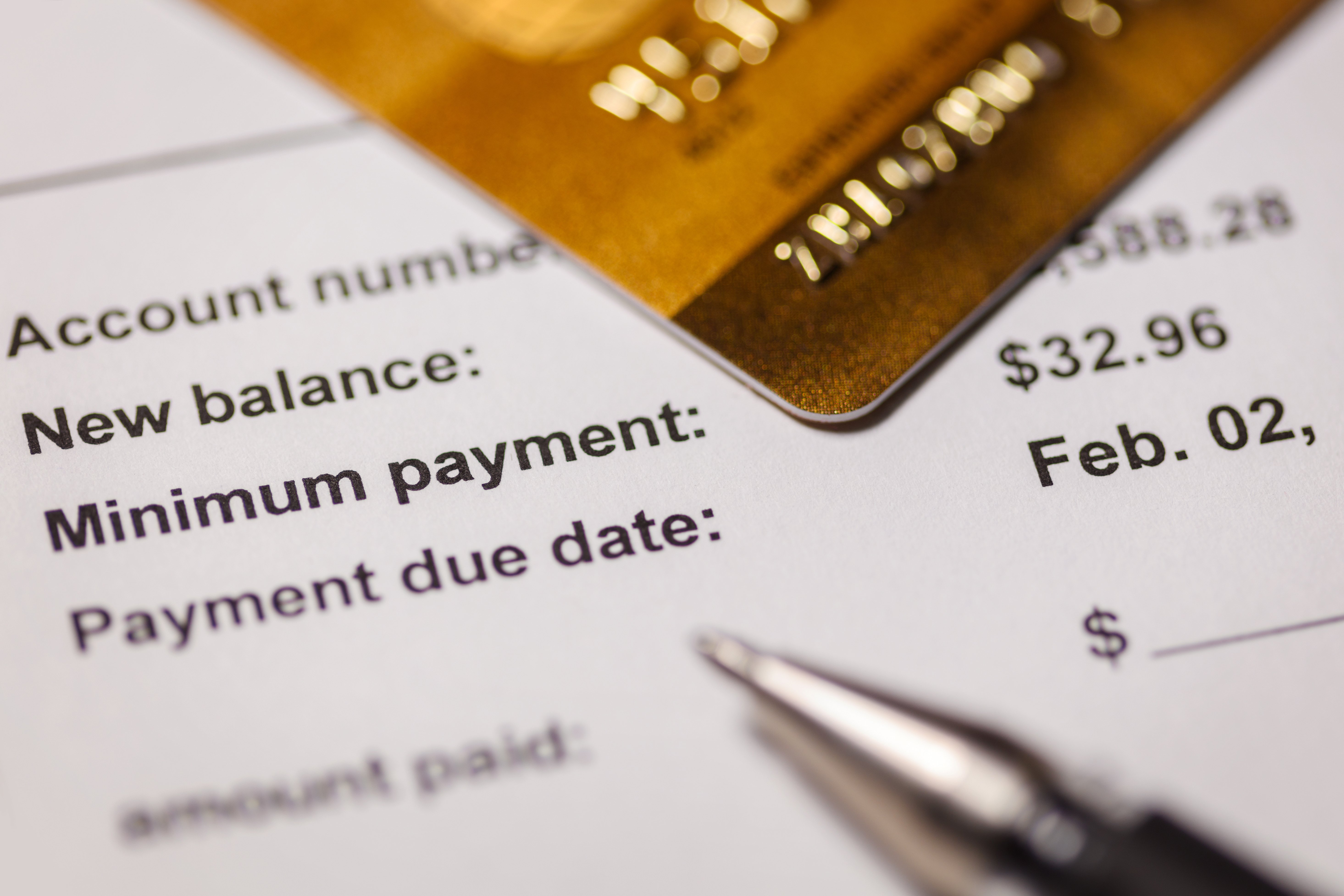
The 2026 Debt Elimination Option Most Banks Don’t Proactively Share
If you walk into a bank or log into your credit card account, you’ll see the same familiar options:
Whether you're covering unexpected expenses, making a big purchase, or just need extra cash, our personal loans offer simple, flexible funding tailored to your needs.
Simplify your finances with a loan that combines multiple payments into one. Our consolidation loans help reduce stress and keep your budget on track.
Upgrade your living space with financing designed for renovations, repairs, or remodeling. Our home improvement loans help you enhance your home’s comfort, value, and functionality—on your terms.
Explore expert insights, financial tips, and strategic guidance from the Symple Lending team. Our insights and resource articles are your go-to source for empowering content that helps you make informed decisions on your journey to financial freedom.
Stay up-to-date with the latest press releases, media features, and major announcements from Symple Lending. This section showcases how we're making headlines and driving innovation in the lending industry.
3 min read
Breanne Neely
:
March 15, 2026
Something is happening with American debt—and most people haven’t noticed yet.
Quietly, without fanfare, thousands of consumers every day are applying for a debt consolidation strategy that most financial experts consider one of the smartest moves available to anyone carrying high-interest credit card balances. It’s not a government program. It’s not a nonprofit initiative. And it’s not one of those too-good-to-be-true offers that clutter your inbox.
It’s a straightforward financial tool that has been available for years—but that the vast majority of Americans who would benefit from it either don’t know about or have been conditioned to overlook.
The result? People who discover it are saving hundreds of dollars per month, eliminating their debt years ahead of schedule, and doing it all without any risk to their credit score.
The average American household now carries over $10,000 in credit card debt. Average APRs have climbed past 24%. And minimum payments are doing exactly what they were designed to do: keeping people in debt for decades.
On a $40,000 balance at 24% APR, minimum payments take over 17 years and cost more than $27,000 in interest alone—nearly 70% of the original balance.
Interest paid on a $40K balance at 24% APR over minimum payments
Revolving credit is designed without a finish line. The balance persists. The interest compounds. The minimum payment inches down just enough to keep you paying longer.
The strategy gaining momentum is called a debt consolidation loan, and its power lies in its simplicity.
A lender issues a single personal loan at a fixed rate—typically 7–18%—used to pay off all existing credit card balances. The loan is used to pay off existing credit card balances in full, replacing multiple revolving payments with one fixed monthly payment. Five or six variable-rate payments become one predictable monthly payment at a fraction of the interest.
But the real breakthrough isn’t the lower rate. It’s the structure. A consolidation loan has a defined payoff date—typically 3–5 years. You know the month the balance is scheduled to be paid off before you sign.
For the first time, you can look at a calendar and point to the day your debt disappears. That certainty is what’s driving the surge.
Unlike some approaches that require long enrollment periods or ongoing service fees, consolidation loans are typically funded in days and do not involve monthly program fees.
| MIN PAYMENTS | CONSOLIDATION | |
| Monthly Payment | $1,200 | $1,035 |
| Interest Rate | 24% variable | 11% fixed |
| Total Interest | $27,000+ | $9,700 |
| Time to Free | 17+ years | 4 years |
| Payoff Date | Unknown | Set before signing |
Total interest savings: over $17,300. Monthly payment drops by $165. The math isn’t close.
The typical applicant is someone already making payments on time but frustrated by how slowly balances move. They’re not in crisis. They’re stuck in a system designed to keep them paying.
The profile: $15K–$100K in unsecured debt, credit scores of 580+, stable income, and frustration with multiple due dates and no light at the end of the tunnel.
Most programs accept 580+. And consolidating often boosts your score by dropping utilization to near zero.
Pre-qualification uses a soft inquiry. Zero impact on your score. No consequences if the numbers don’t work.
You’re replacing debt with no end date and 24% interest with debt that has a fixed rate, a defined payoff date, and a dramatically lower total cost. It’s not trading a trap for a trap. It’s trading a trap for an exit.
You’re not adding debt. You’re restructuring it—with a lower rate, a lower payment, and a finish line that didn’t exist before.
On $40K at 24%, you’re accruing ~$800/month in interest. A consolidation loan at 12% cuts that to ~$400. Six months of hesitation = $2,400 in avoidable interest.
Checking your eligibility costs nothing. Not checking it costs $400 a month.
Disclaimer: The information provided in this blog post is for educational and informational purposes only and should not be considered as financial, legal, investment, or tax advice. Symple Lending is not responsible for any financial outcomes resulting from following the information or ideas shared in this blog. Every individual's financial situation is unique, and we strongly encourage readers to take their own circumstances into consideration and consult with a qualified financial, legal, tax, and investment advisor before making any financial decisions. Symple Lending does not provide financial, legal, tax, or investment advice.
If you walk into a bank or log into your credit card account, you’ll see the same familiar options:
The average homeowner spends between $1,000 and $10,000 on unexpected home repairs every year, and most aren't prepared for it. That single reality...
That 5.9% billboard rate looks fantastic, but what lurks beneath the surface could cost you hundreds. According to consumer advocates, borrowing...
1 min read
Carrying $5,000 or even $10,000 on credit cards can feel manageable. Payments are inconvenient, but the balances still seem temporary.
1 min read
The average credit card APR has quietly climbed past 24%. On paper, that’s just a number. In practice, it’s a system designed to keep balances...
1 min read
For many households, credit card balances don’t become stressful all at once.