Simple Tools That Help You Stay Organized Without Extra Effort
Ever notice how some people seem effortlessly organized with their finances while you're drowning in password resets and overdue bill notices? The...
Whether you're covering unexpected expenses, making a big purchase, or just need extra cash, our personal loans offer simple, flexible funding tailored to your needs.
Simplify your finances with a loan that combines multiple payments into one. Our consolidation loans help reduce stress and keep your budget on track.
Upgrade your living space with financing designed for renovations, repairs, or remodeling. Our home improvement loans help you enhance your home’s comfort, value, and functionality—on your terms.
Explore expert insights, financial tips, and strategic guidance from the Symple Lending team. Our insights and resource articles are your go-to source for empowering content that helps you make informed decisions on your journey to financial freedom.
Stay up-to-date with the latest press releases, media features, and major announcements from Symple Lending. This section showcases how we're making headlines and driving innovation in the lending industry.
11 min read
Breanne Neely : January 23, 2026
Table of Contents
Ever notice how some people seem effortlessly organized with their finances while you're drowning in password resets and overdue bill notices? The secret isn't superhuman memory or endless free time; it's using the right tools that do the heavy lifting for you.
In a world where we make over 35,000 decisions daily, financial organization fatigue is real. Your brain has limited decision-making capacity, and complex financial systems quickly deplete this precious resource. But what if staying financially organized could happen automatically, without consuming your mental bandwidth?
Ever wondered how a single tap on your smartphone screen can reshape your entire financial landscape? Managing your business and personal finances doesn't have to feel like wrestling with an octopus in the dark. Personal finance management is all about seizing control of your money in a way that dances perfectly with your lifestyle and dreams. With the rise of personal finance apps, it's become surprisingly effortless to keep your finger on the pulse of your financial accounts, watch your cash flow like a hawk, and juggle both investment accounts and savings accounts, all from the device in your pocket or the screen on your desk.
The best personal finance app for you? It's the one that transforms your money management from chaos into choreography, helping you craft smarter financial decisions without adding another layer of stress to your already bustling life. When you embrace budgeting apps and other financial tools, you're not just streamlining your finances, you're architecting a system that sets crystal-clear financial goals and elevates your overall financial situation to new heights. Whether you're yearning to save more, invest with wisdom, or simply wrestle your spending into submission, personal finance management tools are crafted to make this journey feel as natural as breathing. With the right app in your arsenal, you can transform financial mayhem into stunning clarity and start constructing a future that sings in harmony with your deepest aspirations.
Ever wonder why some people seem to effortlessly navigate their money while others constantly struggle? The secret isn't in having more income, it's in getting crystal clear about where you actually stand financially. Think of your financial data like a GPS for your money journey; without knowing your current location (your income, expenses, and yes, even that credit score you've been avoiding), you'll just keep driving in circles. Credit score monitoring tools and those handy mobile apps aren't just fancy tech; they're your financial reconnaissance team, helping you track every transaction, peek at your investment accounts, and use budget tools that reveal exactly where your hard-earned dollars are sneaking off to.
Here's where the magic happens: when you consistently review this information (we're talking just 10-15 minutes weekly), patterns emerge like hidden treasure maps in your spending. You'll spot those sneaky overspending areas that have been quietly sabotaging your goals and create a spending plan that actually supports what you want to achieve. Whether you're building that crucial emergency fund or dreaming of retirement, having this solid grasp of your financial landscape transforms you from someone who hopes money works out to someone who makes informed financial decisions with confidence. The right tools turn overwhelming financial data into those "aha!" moments that help you craft a plan perfectly tailored to your unique situation, and suddenly, that path to long-term financial stability becomes less mysterious and more like following a well-marked trail.
Complex financial systems can wear you down. When you’re juggling multiple accounts, passwords, and financial tasks, your brain gets overloaded. This organization fatigue shows up as distractions at work, reduced productivity, and even higher absenteeism as you spend valuable work hours worrying about money matters.
Financial stress doesn’t stop at mental distractions. It can trigger anxiety, depression, and sleep problems, creating a cycle that affects both your mental and physical well-being.
The good news? Simplified financial management offers real psychological benefits:
Tools that help you build better financial habits (like categorizing transactions, analyzing spending, and managing budgets) can further reduce stress and support lasting well-being by making it easier to understand and improve your financial behaviors.
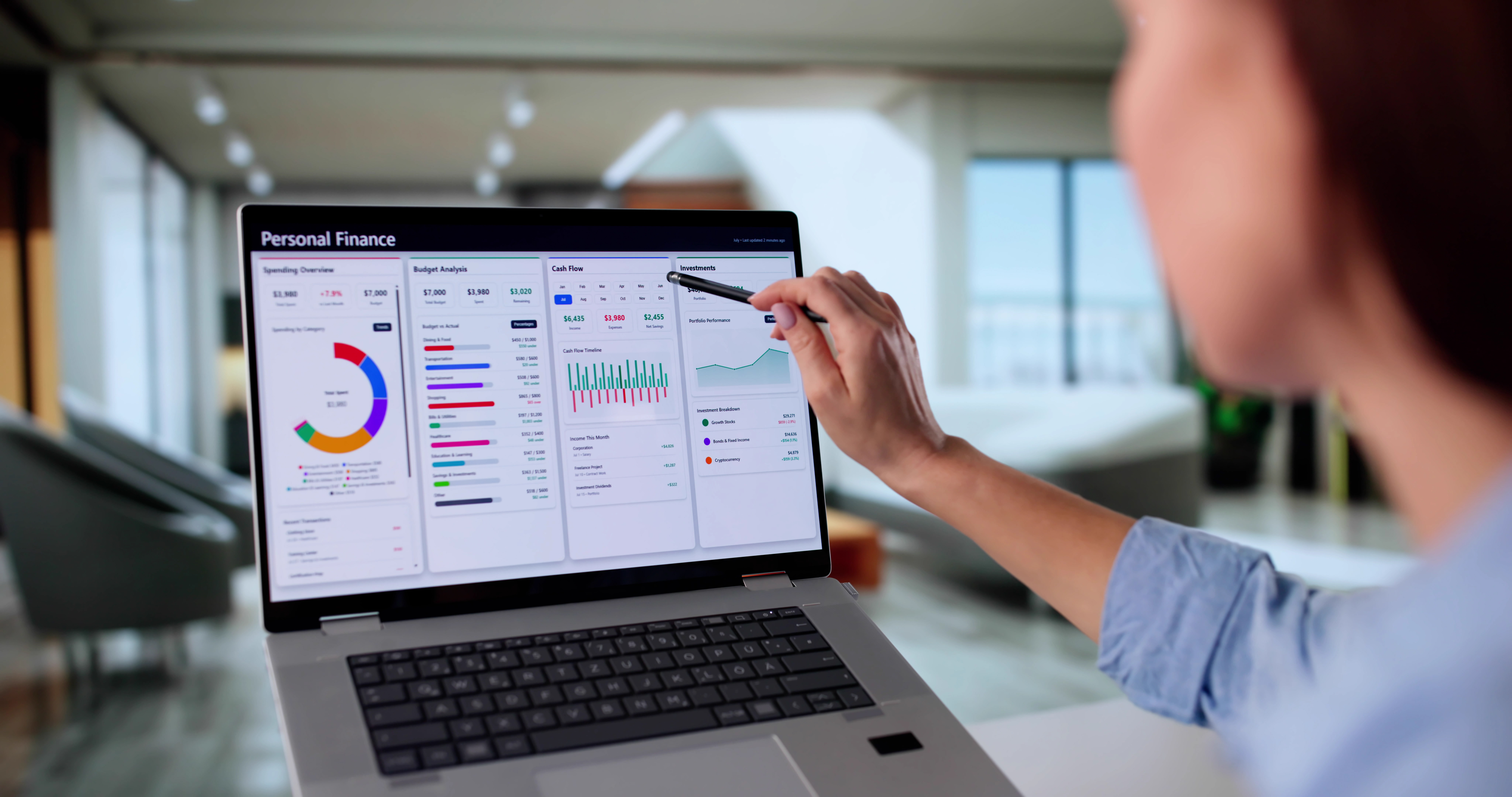
The best financial tools offer clear visibility through centralized dashboards where you can see everything at once. They also require minimal setup: think platforms that sync automatically with your accounts. These features help you stay organized without adding to your mental load, supporting lasting financial resilience without requiring constant attention.
When it comes to staying organized without extra effort, automation is your best friend. Today’s financial tools can automatically categorize your expenses, sync your accounts in real-time, and send timely push notifications about bills or goals, all without you lifting a finger.
Most apps now include automatic transaction categorization, and many budgeting apps automatically categorize transactions to help users understand their spending habits.
This automation eliminates the mental burden of manual tracking. No more entering transactions by hand or trying to remember payment deadlines. Your financial tools handle these repetitive tasks in the background, freeing up your mental energy for more important decisions.
Consider how automatic budgeting tools can work for you:
The result? Less financial anxiety and more productivity. People who use automated financial tools report feeling more confident about their money and spending less time worrying about their finances. Your financial organization becomes something that happens automatically, not another task on your to-do list.
When looking to simplify your financial life, understanding the main tool categories helps you choose what works best. Banking dashboards give you a unified view of all your accounts in one place, eliminating the need to log into multiple websites. These pair perfectly with automatic expense categorization apps that sort your spending without manual input. Standard features in most apps include bank account integration, net worth tracking, and tools for managing unwanted subscriptions, making it easier to oversee your finances comprehensively.
Apps offer a range of features such as budgeting, debt reduction, goal-setting, and automatic transaction imports. Users can link their accounts from over 17,000 financial institutions to track transactions in one place. Many personal finance apps automatically sync with bank accounts to import data and provide a real-time view of monthly cash flow.
Tracking tools that sync transactions in real-time keep you updated without constant checking. They work alongside bill reminder systems that send notifications before due dates, preventing late fees and the stress of forgotten payments. Budgeting apps can also help automate savings and manage subscriptions to reduce unnecessary expenses.
For building wealth without thinking about it, savings automation tools transfer money to your emergency fund on a schedule you set once and forget.
Budgeting tools with pre-built templates remove the guesswork from setting up a simplified financial plan. If you manage money across borders, look for multi-currency management features that handle conversions automatically.
Some apps stand out for their unique features: PocketGuard provides tools for budgeting, debt reduction, and goal-setting, allowing users to create fully customized budgets and personalized debt payoff schedules. Spendee offers automatic transaction imports and multiple currency support. Wallet by BudgetBakers automatically categorizes spending and provides an overview of cash flow.
The right combination of these tools creates a system that keeps your finances organized with minimal ongoing effort from you.
Ever wonder why some people seem to effortlessly glide through their financial lives while others constantly struggle with money stress? The secret often lies in having the right budgeting and expense tracking foundation. With the best budgeting app as your guide, monitoring your monthly spending becomes as natural as checking the weather on your phone. You'll find yourself categorizing expenses and setting budget goals that actually stick, rather than those ambitious plans that crumble after two weeks. Many apps now offer zero-based budgeting, a method that treats every dollar like a valuable employee with a specific job to do, and YNAB has become the beloved choice for people who want this level of intentional money management.![]()
Picture this: your financial accounts, including bank accounts and credit cards, working together like a well-orchestrated symphony, automatically tracking every transaction and giving you that real-time view of your finances that feels almost magical. Advanced features like customizable reports, offered by innovative apps such as Quicken Simplifi, become your personal financial detective, helping you uncover spending patterns you never noticed before. This level of insight doesn't just show you numbers, it reveals opportunities to save that were hiding in plain sight, helps you sidestep those sneaky unnecessary expenses, and keeps your financial goals front and center where they belong. When you discover the right tools, budgeting and expense tracking transform from dreaded chores into effortless parts of your routine, giving you the kind of control and confidence in your financial journey that makes every dollar feel purposeful.
When choosing money management tools, ease of use should top your priority list. Look for intuitive interfaces that don’t require a user manual to figure out. The best tools are designed to be accessible for new users, offering easy onboarding and straightforward navigation so anyone can get started quickly. The best tools can be set up in under 5 minutes with minimal effort, because the last thing you need is another complicated system adding to your fatigue.
Prioritize tools offering clear visibility through real-time dashboards where you can see your complete financial picture at a glance. Strong automation capabilities like automatic transaction categorization and payment reminders ensure your system runs smoothly without constant maintenance.
Focus on consistency over novelty. Flashy new apps might seem appealing, but integrated platforms that handle multiple functions (tracking, budgeting, and alerts) in one place will serve you better long-term. This approach prevents the “tool overload” that comes from juggling multiple financial apps.
When evaluating options, keep in mind that some apps are completely free, while others may charge additional fees for premium features or offer subscriptions billed annually at a discounted rate. Always check for additional fees associated with certain features, such as bill payments or connecting to online billers, to avoid surprises.
Remember: the right financial tool should feel like it’s working for you in the background, not creating another task on your to-do list. When evaluating options, ask yourself: “Will this tool help my financial plan without requiring extra time and attention?”
When it comes to managing your money, less is often more. Using one primary system instead of multiple apps creates a streamlined experience where you can track expenses, manage your budget, and receive alerts all in one place. Consolidated dashboards often display your net worth, giving you a clear picture of your overall financial health in one place. This approach helps you avoid tool overload: that overwhelming feeling when you’re juggling too many financial apps and passwords.
A consolidated system dramatically reduces your mental load by automating repetitive tasks like categorizing transactions or updating balances. Without the constant need to switch between different tools, you’ll experience fewer stress-related distractions and enjoy improved productivity. Your brain gets a break from the constant context-switching that drains mental energy.
The real game-changer comes from automated reminders and default systems that work for you behind the scenes. Auto-savings features quietly build your emergency fund without requiring thought. Payment alerts arrive just when you need them. These automated helpers minimize decision fatigue and create a worry-free financial management system that stays organized without constant attention from you.
Ready to leave spreadsheets behind? Start by linking your bank accounts to an automated financial tool that imports your transaction history automatically. This simple step eliminates hours of manual data entry and prevents the errors that often happen with hand-entered records.![]()
Automated tools help users manage their finances by focusing on money they've already earned, rather than guessing at future finances, and users report feeling less money stress once they start using apps. Consider Albert, who automatically syncs accounts to track financial transactions and cash flow, creating a budget based on your spending.
The benefits you’ll notice immediately:
If you’re feeling hesitant about making the switch, begin with simple money tools that handle just one aspect of your finances. A basic budgeting app with auto-categorization features gives you the benefits of automation without overwhelming you with options.
Many people find that once they experience how effortless financial tracking can be, they wonder why they waited so long. The mental relief of knowing your financial plan is running smoothly in the background (without constant attention from you) creates a surprising sense of freedom.
Ever notice how a single well-chosen app can quietly transform your entire financial landscape? Smart financial decisions aren't born from dramatic overhauls, they emerge from understanding your unique financial picture, setting clear goals that actually resonate with your life, and choosing the right tools that work alongside your daily routines rather than against them. Whether you're consulting with a financial advisor or diving into trusted editorial content, staying informed about your options becomes the foundation for those small, powerful choices that create lasting change.
When you're selecting the best personal finance app, think of it as choosing a financial companion for your journey. Consider the practical elements: the cost of a premium account versus what you'll actually use, whether a free version gives you enough breathing room to start building momentum, and how seamlessly the app handles those recurring bills and split transactions that can either simplify your life or create unnecessary friction. These aren't just features, they're the tiny details that either support your financial habits or quietly sabotage them.
Look for apps that offer robust investment tracking (because watching your money grow, even in small increments, builds genuine confidence), easy access to credit reports (knowledge is power when it comes to your financial health), and those surprisingly helpful features like bill negotiation that can save you money without requiring any willpower on your part. By weighing these options against your actual financial goals (not what you think you should want, but what truly matters to your situation) you can choose tools that slip effortlessly into your routine and genuinely support your progress.
Remember, the best financial decisions aren't the most dramatic ones; they're the choices that align perfectly with your unique financial situation and long-term objectives while feeling manageable in your everyday life. With the right app working quietly in the background and a thoughtful approach that honors where you are right now, you can navigate your finances with growing confidence and clarity, one small, consistent action at a time.
Financial progress is built through consistent, intentional actions over time. Whether you are working toward growing your savings, building an emergency fund, or planning for early retirement, success comes from clear goal setting and thoughtful planning. Research shows that people who use budgeting apps are more likely to reach their savings goals, with studies indicating they achieve them about 42 percent more often than those who do not track their progress. These tools simplify tracking and provide reminders that help maintain consistency and motivation. Some tools can also assist by reviewing recurring bills and identifying unused subscriptions that may be increasing expenses unnecessarily.
Personalized spending plans are designed to reflect individual financial situations rather than apply a single approach to everyone. For those with variable income or self-employment earnings, setting realistic and flexible targets is especially important. Regularly reviewing progress and making adjustments as circumstances change helps keep plans relevant and achievable. With supportive tools in place and a proactive approach to monitoring finances, making informed decisions becomes easier, savings can grow more consistently, and long-term financial stability can be built through steady, intentional steps.
Financial tools should feel supportive, not like another chore on your to-do list. The best systems reduce stress automatically rather than adding complexity through difficult setups or constant maintenance.
Start by selecting just one financial organization tool, like a unified dashboard that gives you visibility across all accounts. This simple step creates momentum without overwhelming you. Remember, the goal is to simplify your finances, not create another system that demands your attention. The best personal finance apps provide dashboards that give an overview of your financial situation, including account balances and pending bills.
For further simplification, consider platforms that extend automation to multiple areas of your financial life. Services that integrate budgeting, savings, and even loan management can help you stay organized effortlessly. The right tools make financial organization happen automatically, giving you the peace of mind that comes from knowing your money matters are in order without requiring your constant attention.
The journey to financial organization doesn't have to be another exhausting project on your to-do list. By choosing simple, automated tools that work together seamlessly, you can create a system that maintains itself with minimal input from you.
Remember, the goal isn't perfect financial organization, it's reducing the mental load that financial management creates. When your finances run smoothly in the background, you reclaim not just time but mental energy. That newfound clarity allows you to focus on what truly matters, whether that's excelling at work, being present with loved ones, or simply enjoying life without the constant hum of financial anxiety.
Disclaimer: The information provided in this blog post is for educational and informational purposes only and should not be considered as financial, legal, investment, or tax advice. Symple Lending is not responsible for any financial outcomes resulting from following the information or ideas shared in this blog. Every individual's financial situation is unique, and we strongly encourage readers to take their own circumstances into consideration and consult with a qualified financial, legal, tax, and investment advisor before making any financial decisions. Symple Lending does not provide financial, legal, tax, or investment advice.
Ever notice how some people seem effortlessly organized with their finances while you're drowning in password resets and overdue bill notices? The...
Ever felt like the simple act of checking your bank account triggers a wave of dread that stays with you all day? You're not experiencing ordinary...
Ever woken up in January with a financial hangover that makes the holiday festivities seem like a distant dream? You’re facing what experts call the...
Ever felt like the simple act of checking your bank account triggers a wave of dread that stays with you all day? You're not experiencing ordinary...
Ever woken up in January with a financial hangover that makes the holiday festivities seem like a distant dream? You’re facing what experts call the...
Did you know that people who regularly review their finances are twice as likely to achieve their long-term financial goals? Yet less than 30% of...