Skip to the main content.

Personal Loans

Whether you're covering unexpected expenses, making a big purchase, or just need extra cash, our personal loans offer simple, flexible funding tailored to your needs.

Learn more...

Consolidation Loans

Simplify your finances with a loan that combines multiple payments into one. Our consolidation loans help reduce stress and keep your budget on track.

Learn more...

Home Improvement Loans

Upgrade your living space with financing designed for renovations, repairs, or remodeling. Our home improvement loans help you enhance your home’s comfort, value, and functionality—on your terms.

Learn more...

Symple Insights

Explore expert insights, financial tips, and strategic guidance from the Symple Lending team. Our insights and resource articles are your go-to source for empowering content that helps you make informed decisions on your journey to financial freedom.

Learn More...

Symple News

Stay up-to-date with the latest press releases, media features, and major announcements from Symple Lending. This section showcases how we're making headlines and driving innovation in the lending industry.

Learn More...

2 min read

Rate Discounts and Autopay: Fine Print That Can Change Your APR

Rate Discounts and Autopay: Fine Print That Can Change Your APR
3:48

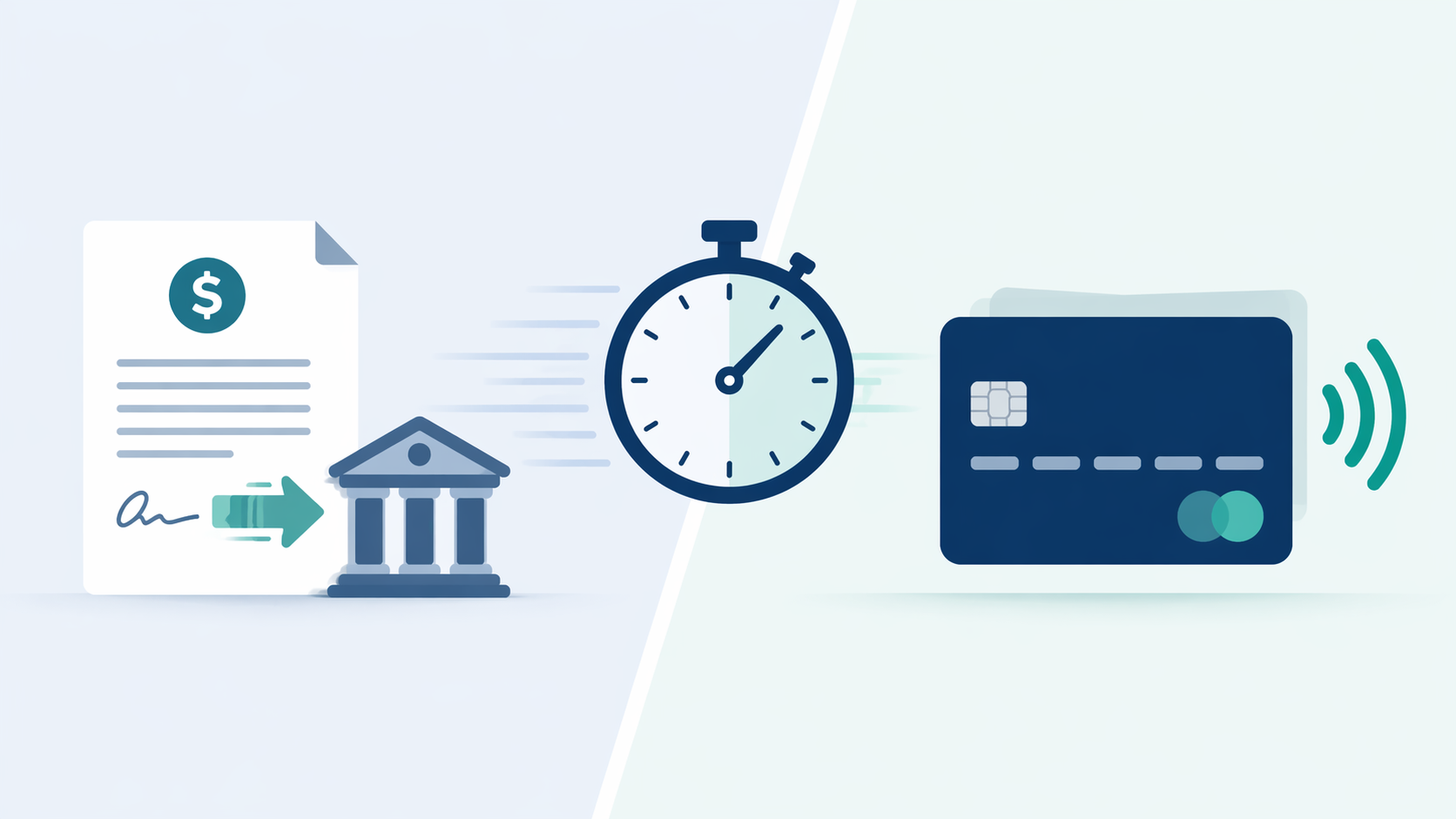
Think of an interest rate discount like a strict store coupon. While automatic payment enrollment benefits reduce your cost to a cheaper "net rate," lenders actually treat this as a fragile reliability reward.

In practice, one expired debit card on a $10,000 loan can permanently erase your 0.25% savings, reverting you to the higher base rate. The fine print dictating these autopay terms often contains subtle clauses that can unexpectedly change your annual percentage rate and significantly increase your total repayment amount.

The Fine Print 'Kill Switches' That Revoke Your Rate Reduction

Most borrowers treat an autopay reduction like a permanent coupon, but lenders view it as a highly conditional agreement. If you ever wonder, "can a lender revoke my interest rate discount," simply check the loan rate discount fine print. Banks use "revocation clauses" as tripwires; if an automatic payment fails, your rate instantly floats back up.

Triggering these interest rate discount expiration clauses usually happens through four simple mistakes:

  • NSF (Non-Sufficient Funds): Your checking balance is too low when the lender pulls the money.
  • Expired cards: Forgetting to update debit details on your loan profile.
  • Account closures: Shutting down an old bank account prematurely.
  • Manual overrides: Pausing autopay to make a one-time payment instead.

Protecting this perk requires careful planning. Switching banks demands a 30-day lead time to verify new routing numbers before your next billing cycle. The impact of failed payments on interest rates is severe because lenders rarely reinstate the reward once broken. Because this penalty is permanent, a single mistake transforms a free discount into a substantial financial loss over the life of your loan.

The Cost of Losing Your 'Free' Discount: A $500 Mistake

Analyzing how autopay affects loan interest reveals the true value of a seemingly tiny 0.25% margin. If you lose a simple quarter-percent reduction on a standard $30,000 balance, your rate jumping from 5.00% to 5.25% quietly adds $500 in extra interest over a ten-year repayment span.

Banks protect themselves further using rate "floors"-a safety net guaranteeing they always make a minimum profit. When navigating fixed vs variable rate discounts, this invisible bottom line creates unexpected hidden costs in credit agreements because your promised autopay reduction might get blocked entirely if it pushes the math below the lender's required minimum.

Larger, merged debts dramatically amplify these stakes. While securing consolidated student loan incentives gives you a great initial rate, a single automated payment error now permanently penalizes your entire combined balance. Preventing these costly missteps requires a systematic approach to lock in your savings permanently and eliminate the risk of automated payment failures.

Four Steps to 'Set and Forget' Your Discount Without Risk

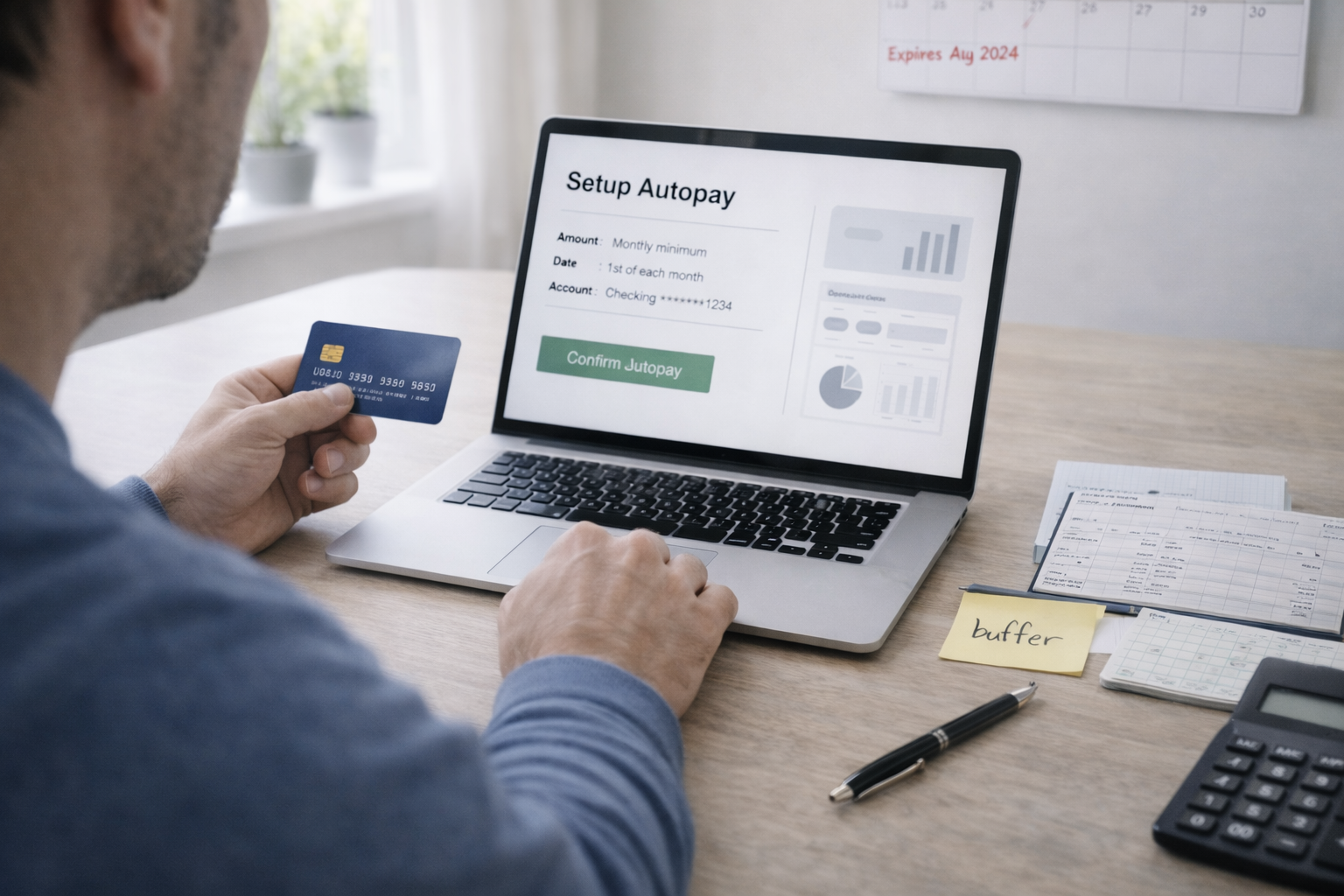
Managing monthly debt with automatic transfers secures your discount and supports a positive credit history. Treat this financial maintenance like a high-paying task-ten minutes of work saves you hundreds:

  1. Sync your calendar with your card's expiration date.
  2. Maintain a $50 'buffer' in the payment account.
  3. Verify the discount on every third statement.
  4. Update payment info 14 days before the next draw.

Review the "Rate Adjustments" section in your contract today to confirm your specific rules. Maintaining strict oversight of your automated payments ensures your lower APR remains permanently intact.

Want the full list of fees and red flags? Read our full blog post here.

Disclaimer: The information provided in this blog post is for educational and informational purposes only and should not be considered as financial, legal, investment, or tax advice. Symple Lending is not responsible for any financial outcomes resulting from following the information or ideas shared in this blog. Every individual's financial situation is unique, and we strongly encourage readers to take their own circumstances into consideration and consult with a qualified financial, legal, tax, and investment advisor before making any financial decisions. Symple Lending does not provide financial, legal, tax, or investment advice.

Rate Discounts and Autopay: Fine Print That Can Change Your APR

Rate Discounts and Autopay: Fine Print That Can Change Your APR

Think of an interest rate discount like a strict store coupon. While automatic payment enrollment benefits reduce your cost to a cheaper "net rate,"...

Continue Reading
Personal Loan for Home Upgrades: Is It the Right Move for You?

Personal Loan for Home Upgrades: Is It the Right Move for You?

The average homeowner spends over $13,000 on home improvements in a single year, and for most people, that kind of money doesn't just sit around...

Continue Reading