Skip to the main content.

Personal Loans

Whether you're covering unexpected expenses, making a big purchase, or just need extra cash, our personal loans offer simple, flexible funding tailored to your needs.

Learn more...

Consolidation Loans

Simplify your finances with a loan that combines multiple payments into one. Our consolidation loans help reduce stress and keep your budget on track.

Learn more...

Home Improvement Loans

Upgrade your living space with financing designed for renovations, repairs, or remodeling. Our home improvement loans help you enhance your home’s comfort, value, and functionality—on your terms.

Learn more...

Symple Insights

Explore expert insights, financial tips, and strategic guidance from the Symple Lending team. Our insights and resource articles are your go-to source for empowering content that helps you make informed decisions on your journey to financial freedom.

Learn More...

Symple News

Stay up-to-date with the latest press releases, media features, and major announcements from Symple Lending. This section showcases how we're making headlines and driving innovation in the lending industry.

Learn More...

2 min read

Origination Fees Explained: What They Cost and How to Avoid Them

Origination Fees Explained: What They Cost and How to Avoid Them
3:18

You've finally found the perfect house, only to spot an unexpected charge on your Closing Disclosure. Asking yourself, "what is an origination fee?" Industry data reveals this one-time setup cost-essentially a "cover charge" for your loan-is often the largest closing expense. While interest pays for the money, your origination fee pays for paperwork. Negotiating your loan origination fee percentage can save you thousands.

Decoding the 1% Charge: How Banks Justify Their Processing Costs

That setup charge isn't a random number. Lenders calculate your loan origination fee percentage using your total loan amount, typically ranging from 0.5% to 1% for mortgages. For a $200,000 home loan, a 1% fee means you are paying $2,000 upfront just to get in the door.

It seems expensive, but this money pays for the actual human labor behind underwriting and processing fees. This administrative work includes:

  • Underwriting: Evaluating your financial history to ensure you can safely repay the debt.
  • Document Verification: Double-checking your pay stubs, tax returns, and bank statements.
  • Loan Processing: Assembling the daily paperwork needed to finalize your transaction.

Because unsecured borrowing is riskier for banks, personal loan fees often jump much higher, sometimes reaching 8%. Knowing these standard labor costs helps you judge if a lender is overcharging you.

How to Use APR to Spot Hidden Fees Before You Sign

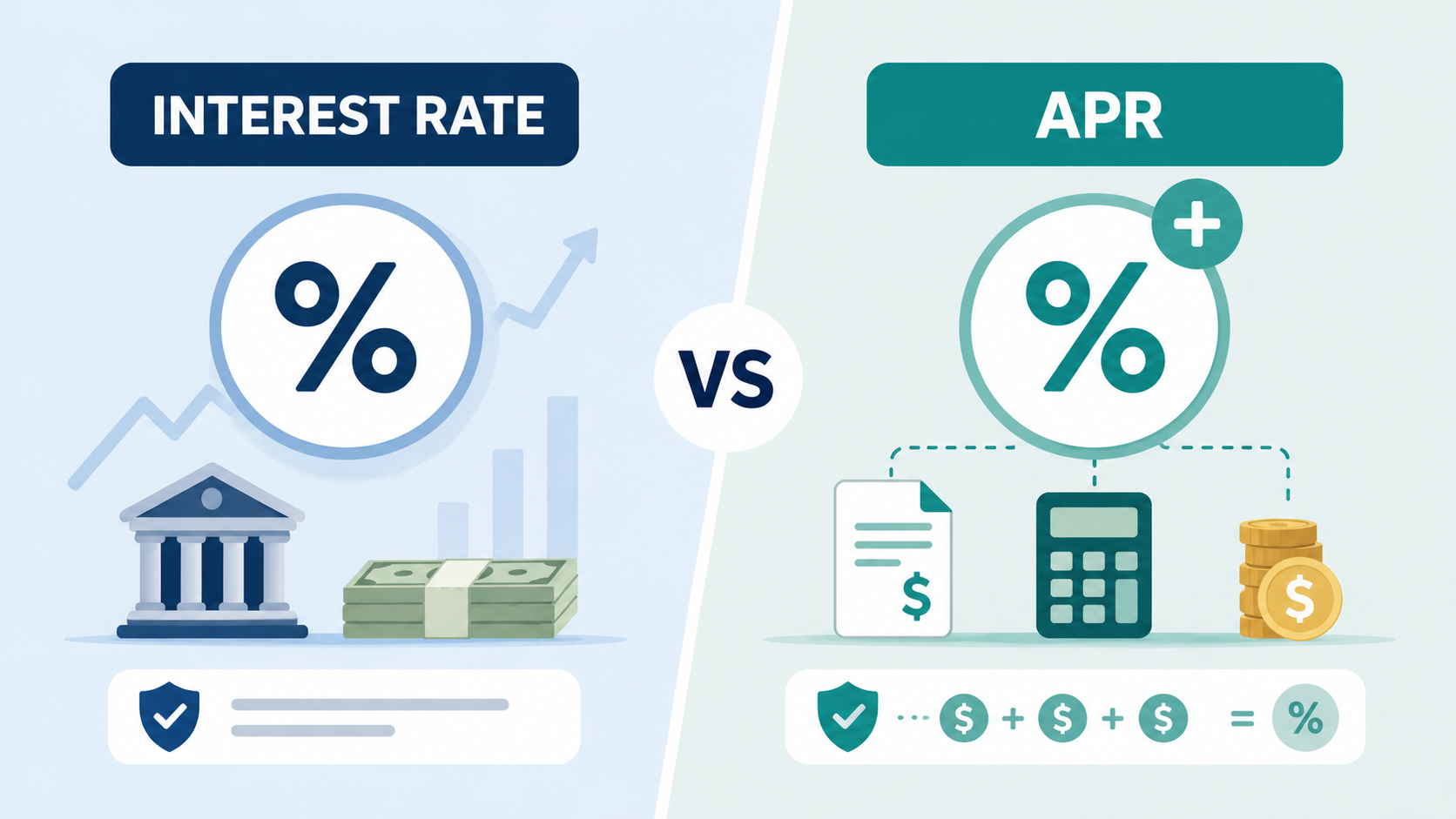
A low interest rate can easily hide inflated upfront costs. Fortunately, lenders must provide a Truth in Lending Act disclosure to protect consumers. While the interest rate is the base price of borrowing, the Annual Percentage Rate (APR) reveals your true cost because it combines both the base interest and your origination fee into one single number.

Check page one of your standard Loan Estimate form for this exact figure. This standardized document makes calculating total loan closing costs completely transparent. Mastering this APR vs interest rate comparison gives you an "apples-to-apples" metric to spot when a cheap rate merely masks a massive setup fee. Once uncovered, you can fight back.

Negotiate Like a Pro: 3 Strategies to Wipe Out Origination Charges

Mastering how to negotiate loan origination fees starts with the "3-lender rule" to create competition. Once you compare quotes, try these three ways to lower fees:

  • Asking for a fee waiver directly.
  • Choosing a higher interest rate trade-off, which funds a no origination fee personal loan.
  • Using lender credits, where banks cover your upfront costs in exchange for a slightly higher long-term rate.

Deciding how to avoid origination fees ultimately depends on your timeline. If you move quickly, trading a higher rate for zero upfront costs is usually smartest.

Your Final Checklist for a Lower-Cost Loan

You now have the tools to keep more money in your pocket. Compare APRs, calculate the 1% math, and confidently negotiate your loan closing costs. Never hesitate to question an origination fee above 1% to ensure you secure the absolute lowest total cost of borrowing.

Want the full list of fees and red flags? Read our full blog post here.

Disclaimer: The information provided in this blog post is for educational and informational purposes only and should not be considered as financial, legal, investment, or tax advice. Symple Lending is not responsible for any financial outcomes resulting from following the information or ideas shared in this blog. Every individual's financial situation is unique, and we strongly encourage readers to take their own circumstances into consideration and consult with a qualified financial, legal, tax, and investment advisor before making any financial decisions. Symple Lending does not provide financial, legal, tax, or investment advice.

Origination Fees Explained: What They Cost and How to Avoid Them

Origination Fees Explained: What They Cost and How to Avoid Them

You've finally found the perfect house, only to spot an unexpected charge on your Closing Disclosure. Asking yourself, "what is an origination fee?"...

Continue Reading
Before and After: What a Monthly Budget Looks Like Pre- and Post-Consolidation

Before and After: What a Monthly Budget Looks Like Pre- and Post-Consolidation

For many people, the frustration isn’t just how much they owe—it’s how their monthly budget feels.

Continue Reading