Skip to the main content.

Personal Loans

Whether you're covering unexpected expenses, making a big purchase, or just need extra cash, our personal loans offer simple, flexible funding tailored to your needs.

Learn more...

Consolidation Loans

Simplify your finances with a loan that combines multiple payments into one. Our consolidation loans help reduce stress and keep your budget on track.

Learn more...

Home Improvement Loans

Upgrade your living space with financing designed for renovations, repairs, or remodeling. Our home improvement loans help you enhance your home’s comfort, value, and functionality—on your terms.

Learn more...

Symple Insights

Explore expert insights, financial tips, and strategic guidance from the Symple Lending team. Our insights and resource articles are your go-to source for empowering content that helps you make informed decisions on your journey to financial freedom.

Learn More...

Symple News

Stay up-to-date with the latest press releases, media features, and major announcements from Symple Lending. This section showcases how we're making headlines and driving innovation in the lending industry.

Learn More...

9 min read

How to Organize Multiple Due Dates and Stop Missing Payments

How to Organize Multiple Due Dates and Stop Missing Payments
18:17

To organize multiple due dates and stop missing payments, create a centralized payment calendar, set reminders several days before each due date, align payments with your income schedule when possible, use autopay carefully, and review your budget monthly. These strategies can reduce late payments, fees, and financial stress while helping you stay consistently on track.

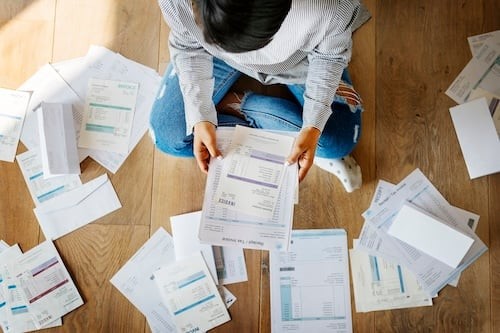
Managing several payment deadlines every month sounds simple in theory. In practice, it rarely stays that way. Rent or mortgage, credit cards, utilities, auto loans, insurance—each one has its own due date, amount, and consequence if it slips through the cracks. For anyone trying to keep up with multiple monthly payments, the challenge often is not income alone but staying organized enough to pay the right bill at the right time.

The numbers confirm how common this challenge is. According to a 2025 LendingTree survey of 2,000 U.S. consumers, nearly half of Americans (48%) paid a bill late in the past 12 months. What's particularly revealing is why. While 46% cited insufficient funds, 31% said they mixed up the due date and thought they had more time, and 25% simply forgot. That means a significant share of late payments come from an organizational gap that a clear system can help close.

This article walks through practical ways to organize multiple due dates, including how to build a payment calendar, set effective reminders, move due dates to better match your paycheck, use autopay wisely, review your budget each month, follow a simple bill-payment checklist, and decide when simplifying with debt consolidation may make sense. Whether you're juggling three payments or thirteen, the goal is the same: fewer missed payments and a monthly routine that feels manageable rather than exhausting.

Why Do Multiple Due Dates Become Difficult to Manage?

Before moving into solutions, it helps to understand why keeping track of multiple payment deadlines becomes challenging in the first place.

Several factors tend to compound the difficulty over time:

  • Multiple credit card accounts often carry different billing cycles, minimum payment amounts, and statement closing dates, making it hard to track which payment is due when
  • Variable monthly expenses like utility bills can shift from month to month, adding unpredictability to an already full schedule
  • Busy schedules leave little mental bandwidth for financial administration, especially during high-stress periods
  • Autopay gaps can create a false sense of security, as nearly 1 in 5 people who paid late in the past year blamed an autopay issue, according to LendingTree's 2025 report
  • Unexpected changes to income or expenses can shift priorities quickly, making a previously manageable routine feel overwhelming

The key takeaway is straightforward: the more payment deadlines you manage, the more important a consistent organizational system becomes. Without one, even small disruptions can lead to missed payments and unnecessary fees.

How to Create a Monthly Payment Calendar That Actually Works

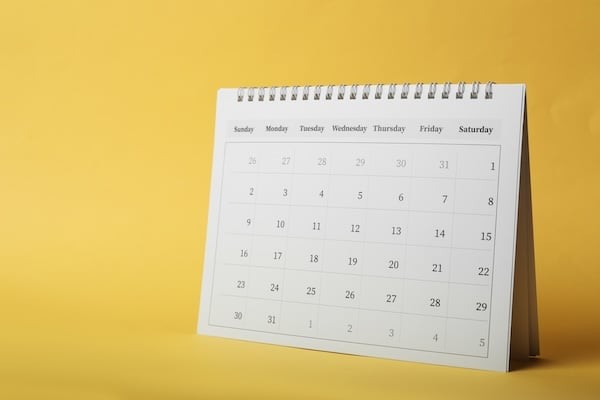
One of the most effective ways to organize multiple due dates is to gather every payment into a single, visible calendar. This gives you a clear picture of what is owed, when it is owed, and how your cash flow aligns with your obligations throughout the month, helping you organize bills and stay organized month to month.

Your payment calendar can take several forms, depending on what you will realistically use:

  • Digital calendars such as Google Calendar or Apple Calendar allow you to set recurring events for each due date and receive automatic notifications
  • Budgeting apps like Mint, YNAB, or Copilot consolidate bill tracking alongside your overall budget, giving you a fuller financial picture
  • Paper planners or wall calendars work well for those who prefer a physical reference point they can see daily
  • Spreadsheets offer flexibility to track payments for monthly bills by recording due dates, amounts, and payment status in a format you can customize over time

The format matters less than consistency. Choose the method you are most likely to check and update regularly.

Here is an example of what a simple monthly payment schedule might look like:

Date

Payment

Status

3rd

Credit Card A

7th

Auto Loan

10th

Credit Card B

15th

Personal Loan

18th

Utilities

22nd

Credit Card C

28th

Rent / Mortgage

Seeing every due date in one place makes it easier to plan your monthly cash flow and identify weeks where multiple payments fall close together.

How to Set Bill Pay Reminders That Help You Stay Ahead

A calendar entry is a useful reference point. A reminder is what keeps you from forgetting.

Setting reminders several days before each payment is due—and treating them as internal deadlines moved up by 2 to 3 days—gives you time to confirm your account balance, address any issues, and make the payment without rushing. A same-day reminder often arrives too late to be useful if a problem arises.

Several reminder options are worth considering:

  • Calendar reminders can be set three to five days before each due date as a heads-up, and again one day before as a final check; layered prompts help you avoid missing a due date if a busy day causes you to forget
  • Banking alerts offered by most financial institutions can notify you when a payment is scheduled, when a balance drops below a certain threshold, or when a due date is approaching
  • Email or text reminders are available through many lenders and service providers directly in your account settings, so sign up there as well
  • Bill-tracking apps consolidate due date reminders across multiple accounts in one place

Multiple reminders provide extra time to prepare for upcoming payments, help you avoid late fees, and reduce the chance you miss a payment.

Can You Change Your Payment Due Date to Better Match Your Pay Schedule?

Many people do not realize that lenders and service providers often allow you to request a different payment due date. Aligning your payments with your income schedule can simplify budgeting considerably, especially if you use automatic payments from the same bank account and need to be sure there is enough money available on processing day.

If most of your income arrives on the 1st and 15th of the month, for example, having payments clustered around those dates means the funds are more reliably available when needed. Spreading payments evenly across the month can also help prevent weeks where several large obligations fall at once.

A few important considerations when exploring this option:

  • Availability varies by lender. Not every creditor offers due date changes, and some may have restrictions on how frequently changes can be made
  • The request process differs. Some lenders allow online requests; others may require a phone call or written request
  • There may be a transition period. Changing a due date can affect how one month's billing cycle closes, so it is worth confirming the details before assuming the change takes effect immediately

Aligning payment dates with your income may make monthly budgeting more predictable. It can also simplify your finances overall and make it easier to set a consistent set amount aside from each paycheck. It is worth a brief call to each lender to find out what options are available to you.

Should You Use Auto Pay, and What Should You Watch For?

Automatic payments can be a reliable tool for managing multiple due dates—but they work best when paired with regular account monitoring.

Setting up autopay for recurring bills removes the manual step of initiating each payment and reduces the chance that a busy week leads to a missed deadline. It also supports your credit history, since payment history affects 35% of your credit score. According to LendingTree's 2025 survey, 68% of Americans already use autopay for at least some of their bills.

That said, automation introduces its own considerations:

  • Automatic minimum payments on credit cards prevent late fees but do not reduce balances quickly, and interest continues to accrue on the remaining amount
  • Automatic full payments require sufficient funds in your account at the time the payment is processed—overdrafts can result in additional fees, so this setup works best when the linked bank account is monitored through your bank or banks' alerts
  • Autopay errors do occur. Nearly 1 in 5 people who paid late in the past year attributed it to an autopay issue, which means automation alone is not a substitute for periodic review
  • Monthly statement reviews remain important even with autopay in place, both to catch errors and to confirm that scheduled payments went through as expected

Automation can reduce the chance of missed payments, and its main advantage is lowering the risk of a preventable missed payment while still requiring periodic review.

Why Reviewing Your Budget Every Month Helps You Keep Track of Your Payment Plan

An organizational system only stays effective when it reflects your current financial situation. A monthly budget review connects your payment schedule to your actual income and expenses, and helps you catch problems before they become urgent. It works best when you use time blocking to set a specific review time on your calendar each month.

A basic monthly review might include:

  • Confirming your income for the month, including any changes to hours, freelance payments, or other variable income
  • Listing your recurring expenses and verifying that the amounts in your calendar still match your current bills
  • Identifying variable expenses such as utilities, subscriptions, or irregular costs that fluctuate month to month
  • Reviewing payment priorities so that essential obligations—housing, utilities, loan payments—are covered before discretionary spending
  • Tracking progress toward any savings or debt reduction goals you have set for yourself, including money you're setting aside in a savings account

If your list feels crowded, use the Eisenhower Matrix to rank payment tasks so urgent and important items get handled first.

Regular budget reviews help ensure your payment plan continues to fit your broader finances as they evolve throughout the year.

What Should Your Bill Payment Organization Checklist Include?

A simple checklist can serve as a quick reference point each month, helping you confirm that your organizational system is functioning consistently. The following checklist offers practical tips for keeping your payment system consistent, whether you are managing three payments or fifteen:

✓ Keep all due dates in one calendar

✓ Set reminders at least three to five days before each payment

✓ Review your payment schedule after every payday

✓ Break larger bill-management projects into smaller monthly check-ins with clear milestones

✓ Update your calendar whenever a due date or amount changes

✓ Check off each payment after it is made

✓ Review your monthly statements to confirm scheduled payments went through

✓ Revisit your full payment list at the start of each new month

This checklist reinforces that organization alone can make a meaningful difference in your ability to stay on top of multiple obligations, helping you save time and build better bill management habits over time.

When Does Managing Multiple Due Dates Signal That It May Be Time to Simplify?

For many people, the strategies outlined above are enough to bring their payment schedule under control. For others, the challenge runs a little deeper.

If you are consistently managing five, six, or more separate payments across multiple credit cards and loans, the organizational burden itself can become a source of stress—even when you are doing everything right. When that is the case, especially if managing multiple credit cards or multiple cards has become hard to track, it may be worth considering whether reducing the number of monthly payments you manage could offer meaningful relief.

One option that some borrowers explore is a debt consolidation loan, which combines multiple balances into a single monthly payment with a fixed interest rate and a defined repayment timeline. This approach does not reduce the amount owed, but it can simplify the payment structure and make monthly budgeting more predictable. Some people also simplify by moving a balance to a new credit card, though it is smart to review your credit report before applying for additional credit products. Eligibility and terms vary by lender, and it is worth reviewing your full financial situation before pursuing this route.

Consolidation is not the right choice for everyone, and it is not the only path forward. However, if staying organized is becoming increasingly difficult despite your best efforts, it may be worth exploring whether a different payment structure could make your financial routine more sustainable. In some cases, opening a new card can help lower utilization by increasing available credit, but only if balances stay controlled and applications are timed carefully.

Frequently Asked Questions

What Is the Best Way to Organize Multiple Due Dates?

The most effective approach is to gather all of your due dates into one centralized system—whether that is a digital calendar, a budgeting app, or a paper planner—and pair it with reminders set several days before each payment. Seeing all your obligations in one place is especially useful if you use multiple credit cards and give each one card a specific job, since each card can serve a budgeting purpose that makes it easier to track transactions and avoid overspending. This can also help maximize rewards and keep category-specific benefits organized.

Should I Use Automatic Payments to Stop Missing Bill Payments?

Automatic payments can help reduce the risk of missed payments, but they work best when combined with regular account monitoring. Autopay removes the manual step of initiating each payment, can support good credit habits when it keeps balances from rolling too high, but errors can still occur. Review your statements monthly to confirm that scheduled payments processed correctly and that sufficient funds were available. Keeping credit utilization below 30% of your credit limit is generally recommended.

Can I Change My Payment Due Date to Make Bill Management Easier?

Many lenders and service providers allow due date changes upon request, though availability varies. Aligning your payment due dates with your pay schedule can make monthly cash flow more predictable. Contact each lender directly to find out what options are available and how the change process works.

How Can I Stop Missing Bill Payments When I Have a Busy Schedule?

Setting reminders three to five days before each due date—rather than on the day itself—gives you time to act if something comes up. Combining calendar notifications, banking alerts, and a monthly review routine creates a layered system that can catch issues before they result in a missed payment.

When Should I Consider Simplifying My Monthly Payment Structure?

If you are consistently managing a large number of separate payments and find that staying organized is taking significant time and mental effort, it may be worth exploring ways to reduce the number of monthly obligations you manage. A debt consolidation loan is one option that some borrowers find helpful, as it combines multiple payments into one fixed monthly amount with a defined payoff timeline. Whether this approach is suitable depends on your individual financial situation and the terms available to you.

Small Changes Can Add Up to Meaningful Progress

Managing multiple due dates does not have to feel like an ongoing source of stress. A centralized payment calendar, well-timed reminders, and a monthly review routine can bring real structure to what often feels like financial chaos while helping you keep track of monthly bills and broader finances with less stress.

The data supports this. The LendingTree 2025 survey found that more than half of late payments were attributed to confusion about due dates or forgetting—not inability to pay. That means better organization, not a change in income, may be all that is needed to close the gap for many people.

Start with one step: gather your due dates into a single calendar this week. From there, each additional strategy builds on the last, creating a system that becomes easier to maintain over time. As a practical check, review how your credit cards are used for rewards categories like gas or travel so your payment system matches how you actually spend. Some people also keep one card mainly to book flights or for purchase benefits such as extended warranties, but only if those rewards are tracked outside the wallet. And if you find yourself ready to explore whether simplifying your overall payment structure makes sense for your situation, that conversation is always worth having.

Disclaimer: The information provided in this blog post is for educational and informational purposes only and should not be considered as financial, legal, investment, or tax advice. Symple Lending is not responsible for any financial outcomes resulting from following the information or ideas shared in this blog. Every individual's financial situation is unique, and we strongly encourage readers to take their own circumstances into consideration and consult with a qualified financial, legal, tax, and investment advisor before making any financial decisions. Symple Lending does not provide financial, legal, tax, or investment advice.

How to Organize Multiple Due Dates and Stop Missing Payments

How to Organize Multiple Due Dates and Stop Missing Payments

To organize multiple due dates and stop missing payments, create a centralized payment calendar, set reminders several days before each due date,...

Continue Reading
Envelope Budgeting in the Digital Age: Best Apps + Setup Guide

Envelope Budgeting in the Digital Age: Best Apps + Setup Guide

Envelope budgeting and best digital envelope apps are modern takes on a proven idea: give every dollar a job by placing it into “envelopes” (spending...

Continue Reading
6 Signs Your Monthly Payments Are Becoming Difficult to Manage

6 Signs Your Monthly Payments Are Becoming Difficult to Manage

Monthly payments can become harder to manage as credit card balances grow, expenses rise, and financial obligations multiply. Key warning signs...

Continue Reading