

Skip to the main content.

Personal Loans

Whether you're covering unexpected expenses, making a big purchase, or just need extra cash, our personal loans offer simple, flexible funding tailored to your needs.

Learn more...

Consolidation Loans

Simplify your finances with a loan that combines multiple payments into one. Our consolidation loans help reduce stress and keep your budget on track.

Learn more...

Home Improvement Loans

Upgrade your living space with financing designed for renovations, repairs, or remodeling. Our home improvement loans help you enhance your home’s comfort, value, and functionality—on your terms.

Learn more...

Symple Insights

Explore expert insights, financial tips, and strategic guidance from the Symple Lending team. Our insights and resource articles are your go-to source for empowering content that helps you make informed decisions on your journey to financial freedom.

Learn More...

Symple News

Stay up-to-date with the latest press releases, media features, and major announcements from Symple Lending. This section showcases how we're making headlines and driving innovation in the lending industry.

Learn More...

2 min read

How Debt Consolidation Loans Work: The Step-By-Step Process

Credit card repayment Getting into debt with many credit cards
How Debt Consolidation Loans Work: The Step-By-Step Process
3:50

A debt consolidation loan combines multiple debts into one new loan with a single monthly payment. This step-by-step explanation of how debt consolidation loans work covers comparing offers, applying, paying creditors, and managing repayment. Consolidation can simplify payments, but it does not guarantee lower costs.

How Does a Debt Consolidation Loan Work?

You borrow money to pay off selected existing balances, then repay the new lender under the loan agreement. Paying off credit cards with a loan transfers the debt rather than eliminating it. The potential benefit is a more manageable repayment structure, particularly when the new loan offers a lower interest rate and affordable payments.

The Debt Consolidation Loan Process, Step by Step

Use these consolidation loan steps to organize your application and avoid overlooking important costs:

  1. Review Your Debts and Budget. List each balance, interest rate, minimum payment, and due date. Determine what monthly payment your budget can support without relying on additional borrowing.
  2. Compare Loan Offers. Review the annual percentage rate (APR), repayment term, fees, and total repayment amount. A smaller monthly payment may reflect a longer term rather than savings. Check whether the rate stays fixed throughout repayment.
  3. Submit Your Application. Prepare income and employment information, bank details, and creditor account numbers. Requirements vary by lender. Review the approved amount, APR, and payment terms before accepting the agreement.
  4. Arrange Creditor Payments. Loan disbursement for debt consolidation may go directly to eligible creditors or into your bank account for you to distribute. Confirm which method applies and verify account numbers before funds are sent.
  5. Begin Repayment. Record your first debt consolidation payment deadline and follow the agreed schedule. Build the payment into your budget, and avoid rebuilding credit card balances while repaying the loan. Consolidation alone does not address overspending.

How Long Does the Debt Consolidation Timeline Take?

The debt consolidation timeline depends on application verification, approval, funding, and creditor processing. These are separate stages: approval does not necessarily mean your credit cards have already been paid. Some lenders offer funding as soon as the next business day after acceptance, but bank or creditor processing can take longer.

Before treating the transfer as complete:

  • Ask when funds will be sent and how to track them.
  • Keep existing payments current until each creditor confirms payment.
  • Review subsequent statements for any remaining balance.

Evaluate the Full Cost Before Proceeding

Compare the proposed loan with your current repayment plan, not just your combined monthly minimums. Include origination fees and the effect of a longer repayment period. A consolidation loan is most useful when its payment fits your budget and its overall terms support your repayment goals; a lower monthly bill alone does not establish savings.

Read our full blog post here: https://symplelending.com/insights/how-does-a-consolidation-loan-work

Disclaimer: The information provided in this blog post is for educational and informational purposes only and should not be considered as financial, legal, investment, or tax advice. Symple Lending is not responsible for any financial outcomes resulting from following the information or ideas shared in this blog. Every individual's financial situation is unique, and we strongly encourage readers to take their own circumstances into consideration and consult with a qualified financial, legal, tax, and investment advisor before making any financial decisions. Symple Lending does not provide financial, legal, tax, or investment advice.

How Debt Consolidation Loans Work: The Step-By-Step Process

How Debt Consolidation Loans Work: The Step-By-Step Process

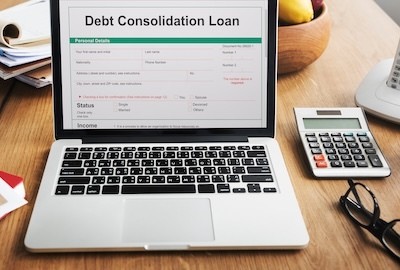
A debt consolidation loan combines multiple debts into one new loan with a single monthly payment. This step-by-step explanation of how debt...

Continue Reading
What Is A Debt Consolidation Loan (And Who It’s For)?

What Is A Debt Consolidation Loan (And Who It’s For)?

A debt consolidation loan pays off multiple existing debts, replacing them with one loan payment. Understanding what a debt consolidation loan is and...

Continue Reading
Is It Better to Apply With One Lender or Compare Multiple Personal Loan Offers?

Is It Better to Apply With One Lender or Compare Multiple Personal Loan Offers?

Comparing multiple personal loan offers is generally worth considering, particularly when you can review preliminary terms without submitting...

Continue Reading