Skip to the main content.

Personal Loans

Whether you're covering unexpected expenses, making a big purchase, or just need extra cash, our personal loans offer simple, flexible funding tailored to your needs.

Learn more...

Consolidation Loans

Simplify your finances with a loan that combines multiple payments into one. Our consolidation loans help reduce stress and keep your budget on track.

Learn more...

Home Improvement Loans

Upgrade your living space with financing designed for renovations, repairs, or remodeling. Our home improvement loans help you enhance your home’s comfort, value, and functionality—on your terms.

Learn more...

Symple Insights

Explore expert insights, financial tips, and strategic guidance from the Symple Lending team. Our insights and resource articles are your go-to source for empowering content that helps you make informed decisions on your journey to financial freedom.

Learn More...

Symple News

Stay up-to-date with the latest press releases, media features, and major announcements from Symple Lending. This section showcases how we're making headlines and driving innovation in the lending industry.

Learn More...

2 min read

Consolidation Options Compared: Personal Loan Vs Balance Transfer Vs Debt Management Plan

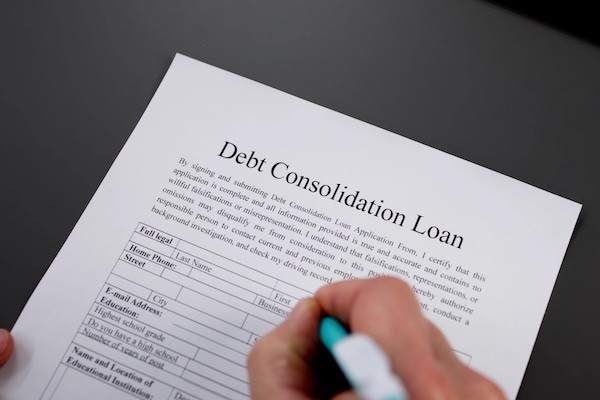
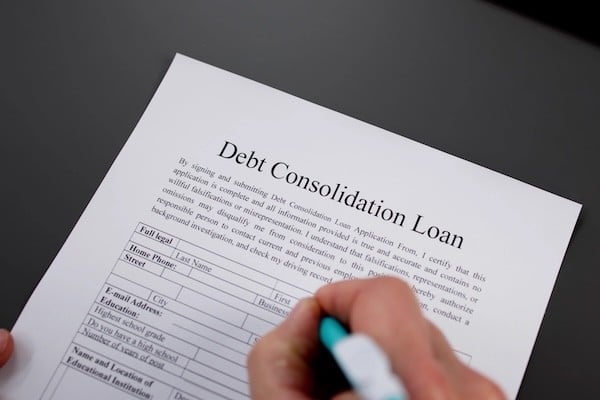
Debt Consolidation Loan Form
Consolidation Options Compared
3:54

Personal loans and balance transfer cards move existing debt into a new account, while debt management plans organize repayment through a credit counseling agency. Each can simplify payments, but costs and commitments differ. This overview compares debt consolidation options for US consumers, focusing on affordability, repayment timelines, and support. 

What Is the Best Way to Consolidate Credit Card Debt?

The best way to consolidate credit card debt depends on the terms you qualify for and the payment you can sustain. A lower advertised rate alone is not enough: fees and a longer repayment period can offset savings. Start with your balances, current interest rates, and available monthly budget before comparing offers. 

Personal Loan vs Balance Transfer: Structure and Cost

A personal loan replaces existing balances with installment payments. Choosing a fixed-rate loan provides a predictable payment schedule, which can help when repayment will take longer than a card’s promotional period. However, origination fees and an extended loan term may increase total costs; compare the annual percentage rate, fees, and total repayment amount. 

A balance transfer card moves eligible credit card debt to another card, potentially at a temporary low or 0% introductory rate. The savings depend on transfer fees, repayment speed, and the rate that applies afterward. New purchases can also create interest charges, so keep the card focused on repayment. 

When weighing balance transfer card pros and cons, check:

  • Promotional deadline: Divide the transferred balance plus fees by the available promotional months to estimate your payoff target.
  • Transfer capacity: Confirm the approved limit can accommodate the debt and applicable fees.
  • Remaining balance: Review the standard rate and estimate costs if repayment takes longer. 

How Does a Debt Management Plan Compare With a Consolidation Loan?

The central difference in a debt management plan vs consolidation loan comparison is borrowing: a plan does not replace your debts with a new loan. Instead, you make a payment to a credit counseling agency, which distributes money to participating creditors. Creditors may reduce interest rates or waive certain fees, but concessions are not guaranteed. 

A plan may suit someone who needs repayment support rather than another credit account. Ask about setup and monthly fees, creditor participation, and restrictions on using credit. Plans can require several years of consistent payments and are not the same as debt settlement. 

Compare the Full Repayment Path

Before choosing, put these details side by side:

  1. Total cost: Interest, transfer or origination fees, and counseling charges.
  2. Monthly affordability: A payment that leaves room for essential expenses.
  3. Completion date: A realistic payoff schedule, not merely a lower minimum payment. 

Choose the approach you can complete without rebuilding card balances. Consolidation changes how you repay debt; it does not eliminate the need for a sustainable budget. 

Read our full blog post here: https://symplelending.com/insights/high-credit-utilization-what-it-means-and-how-consolidation-may-help

Disclaimer: The information provided in this blog post is for educational and informational purposes only and should not be considered as financial, legal, investment, or tax advice. Symple Lending is not responsible for any financial outcomes resulting from following the information or ideas shared in this blog. Every individual's financial situation is unique, and we strongly encourage readers to take their own circumstances into consideration and consult with a qualified financial, legal, tax, and investment advisor before making any financial decisions. Symple Lending does not provide financial, legal, tax, or investment advice.

Consolidation Options Compared: Personal Loan Vs Balance Transfer Vs Debt Management Plan

Consolidation Options Compared: Personal Loan Vs Balance Transfer Vs Debt Management Plan

Personal loans and balance transfer cards move existing debt into a new account, while debt management plans organize repayment through a credit...


Continue Reading
How to Compare 24-, 36-, 60- and 84-Month Personal Loan Repayment Terms

How to Compare 24-, 36-, 60- and 84-Month Personal Loan Repayment Terms

Personal loan repayment terms typically range from 24 to 84 months, and the length you choose affects both your monthly payment and your total...

Continue Reading
Debt Consolidation And Credit Utilization: How It Can Help (And When It Won’t)

Debt Consolidation And Credit Utilization: How It Can Help (And When It Won’t)

Debt consolidation and credit utilization are connected: using a personal loan to pay down credit cards can reduce the share of revolving credit you...

Continue Reading