APR vs. Interest Rate: What’s the Difference?
When shopping for a mortgage, auto loan, or credit card, you will inevitably encounter two crucial numbers. Understanding APR vs. Interest Rate:...
Whether you're covering unexpected expenses, making a big purchase, or just need extra cash, our personal loans offer simple, flexible funding tailored to your needs.
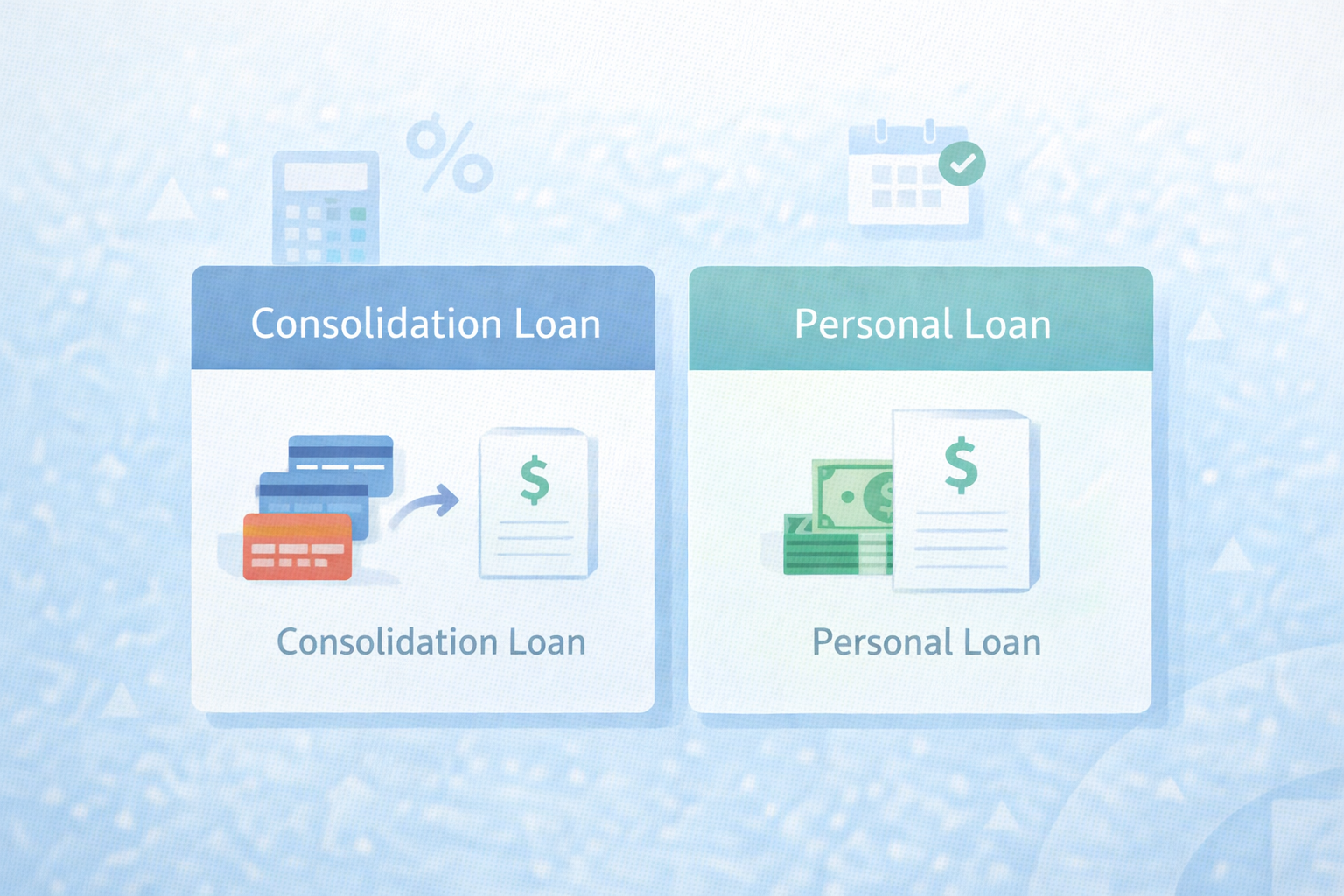
Simplify your finances with a loan that combines multiple payments into one. Our consolidation loans help reduce stress and keep your budget on track.
Upgrade your living space with financing designed for renovations, repairs, or remodeling. Our home improvement loans help you enhance your home’s comfort, value, and functionality—on your terms.
Explore expert insights, financial tips, and strategic guidance from the Symple Lending team. Our insights and resource articles are your go-to source for empowering content that helps you make informed decisions on your journey to financial freedom.
Stay up-to-date with the latest press releases, media features, and major announcements from Symple Lending. This section showcases how we're making headlines and driving innovation in the lending industry.
When shopping for a mortgage, auto loan, or credit card, you will inevitably encounter two crucial numbers. Understanding APR vs. Interest Rate: What’s the Difference? is essential for making smart financial decisions. While both terms reflect the price you pay to borrow money, they measure entirely different things. Let’s get this borrowing cost explained so you can confidently navigate your next big financial commitment.
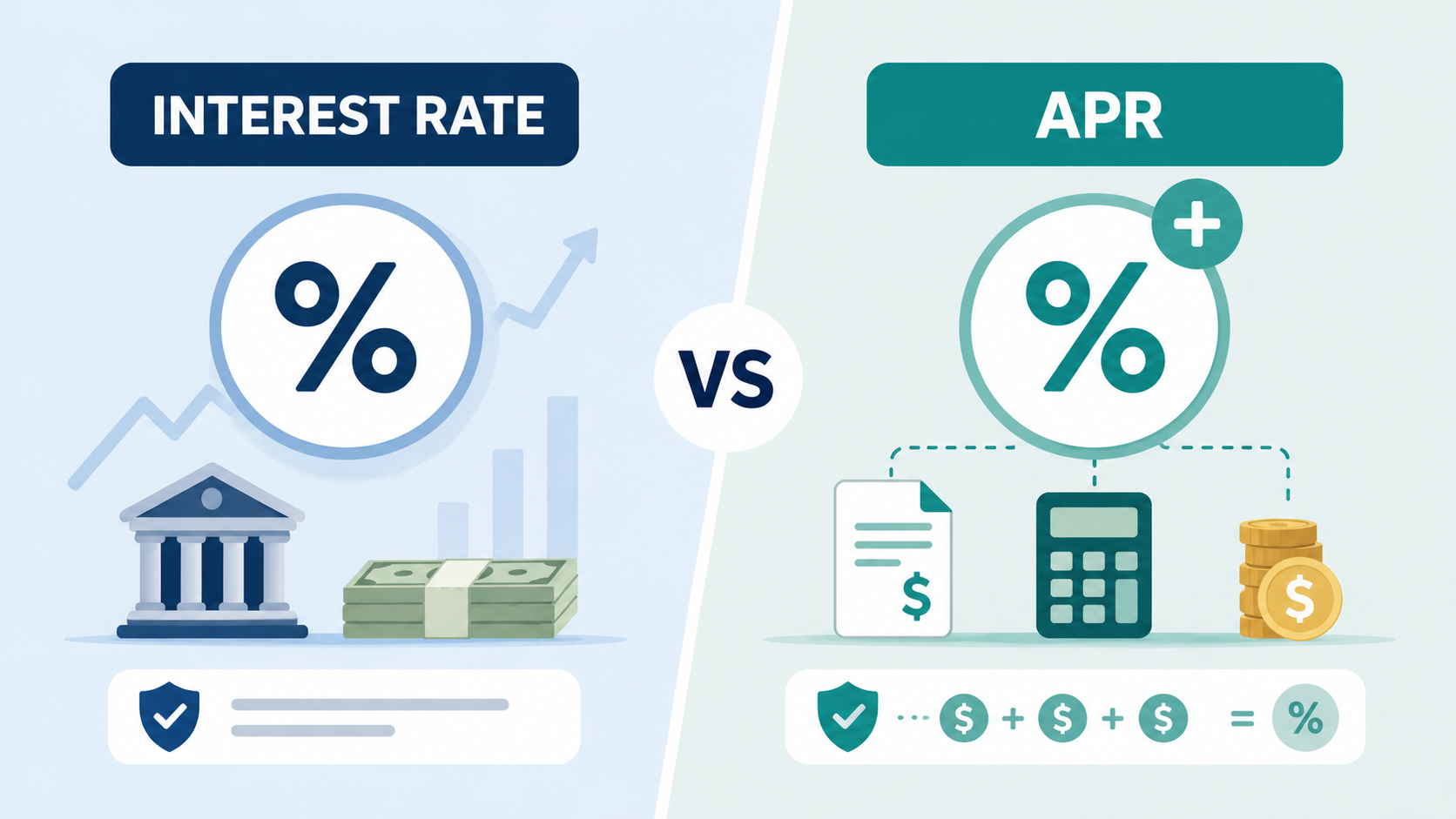
The interest rate is the straightforward base cost of borrowing money, expressed as a percentage. Think of it as the direct price tag on the money you borrow. The primary benefit of a lower interest rate on principal is that it keeps your base monthly payments as low as possible.
However, this number alone doesn’t tell the whole story. To see the true financial picture, you must ask what is APR and understand how it factors into the interest rate vs APR dynamic.
APR stands for annual percentage rate. The core APR meaning on loans is that it represents your total cost of borrowing over loan term.
If you ever ask yourself, why is APR higher than interest rate, the answer is simple: it is because of the lender fees included in APR calculation. These additional upfront costs typically include:
Thanks to Truth in Lending Act disclosure requirements, lenders are legally obligated to clearly display the APR. This transparency ensures consumers aren't blindsided by extra expenses.
If you are curious about how to calculate APR for a personal loan, you essentially add all upfront administrative fees to your total lifetime interest, divide that by your principal loan amount, divide by the number of days in your loan term, and multiply by 365 to get your annual percentage.
Additionally, financial experts often evaluate the nominal interest rate vs effective annual rate to understand the impact of compounding frequency on annual percentage rate. Simply put, how often your interest compounds (daily, monthly, or annually) can subtly increase your actual yearly out-of-pocket cost.
Borrowers frequently wonder: is APR or interest rate more important for mortgages? It ultimately depends on your financial timeline.
When you learn how to compare loan offers, you should also conduct a fixed vs variable APR comparison. A fixed APR guarantees long-term stability, while a variable one can increase over time, drastically raising your borrowing costs.
Grasping the nuances of APR vs interest rate is the ultimate key to avoiding hidden loan fees and charges. By looking beyond the basic interest rate and focusing on the total annual percentage rate, you protect your wallet and ensure you secure the most affordable financing possible.
Disclaimer: The information provided in this blog post is for educational and informational purposes only and should not be considered as financial, legal, investment, or tax advice. Symple Lending is not responsible for any financial outcomes resulting from following the information or ideas shared in this blog. Every individual's financial situation is unique, and we strongly encourage readers to take their own circumstances into consideration and consult with a qualified financial, legal, tax, and investment advisor before making any financial decisions. Symple Lending does not provide financial, legal, tax, or investment advice.
When shopping for a mortgage, auto loan, or credit card, you will inevitably encounter two crucial numbers. Understanding APR vs. Interest Rate:...
The average couple spends over $30,000 on their wedding day, and many start that marriage already in debt. Sound familiar? If the thought of funding...
Your transmission just died, bringing a sudden $3,200 repair bill. Swiping plastic might seem like the best option for emergency expenses, but that...