Skip to the main content.

Personal Loans

Whether you're covering unexpected expenses, making a big purchase, or just need extra cash, our personal loans offer simple, flexible funding tailored to your needs.

Learn more...

Consolidation Loans

Simplify your finances with a loan that combines multiple payments into one. Our consolidation loans help reduce stress and keep your budget on track.

Learn more...

Home Improvement Loans

Upgrade your living space with financing designed for renovations, repairs, or remodeling. Our home improvement loans help you enhance your home’s comfort, value, and functionality—on your terms.

Learn more...

Symple Insights

Explore expert insights, financial tips, and strategic guidance from the Symple Lending team. Our insights and resource articles are your go-to source for empowering content that helps you make informed decisions on your journey to financial freedom.

Learn More...

Symple News

Stay up-to-date with the latest press releases, media features, and major announcements from Symple Lending. This section showcases how we're making headlines and driving innovation in the lending industry.

Learn More...

2 min read

Your First Emergency Fund: How to Save $500–$1,000 Without Feeling Deprived

Your First Emergency Fund: How to Save $500–$1,000 Without Feeling Deprived
Your First Emergency Fund
4:29

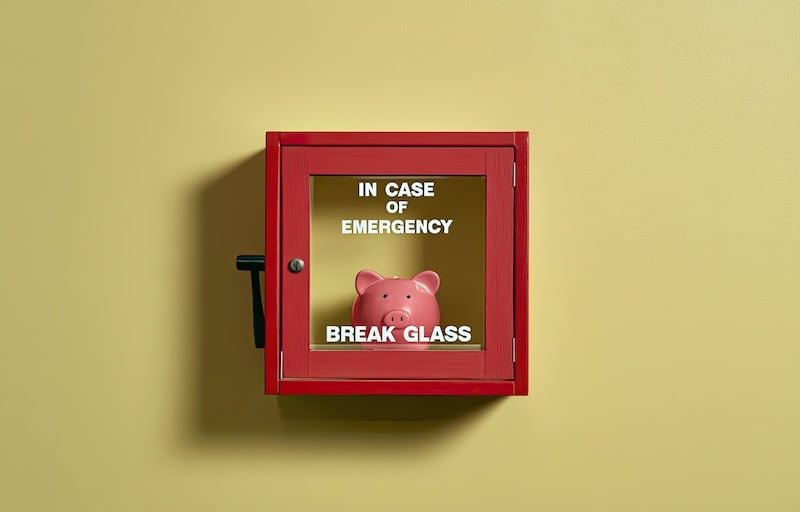
An emergency fund is a small cash cushion for unexpected expenses, such as a car repair, urgent medical copay, or reduced paycheck. For many US consumers, a starter emergency fund of $500 to $1,000 is a practical first goal because it is large enough to help but small enough to feel achievable. The key is to build it steadily without turning your budget into a punishment.

How Much Should Your First Emergency Fund Be?

Your first target should usually be an amount that would stop a routine surprise from becoming debt. If $500 would cover your insurance deductible, a basic repair, or a week of essential bills, start there. If your income is irregular, your household has one earner, or you rely heavily on a car, working toward $1,000 may give you more breathing room.

This is not your final safety net. A starter emergency fund is the first layer. Later, you can expand your emergency fund to cover several months of essential expenses, but the first win is creating a buffer you can actually maintain.

Build It With Small Weekly Deposits

If you are wondering how to build an emergency fund without feeling deprived, make the deposits small, automatic, and consistent. You do not need a huge extra paycheck to save 1000 dollars. You need a simple rhythm that fits your real life.

Try one of these starter plans:

  • Save $10 per week to reach about $500 in one year.
  • Save $20 per week to reach about $1,000 in one year.
  • Save $25 per week to reach $500 in roughly five months.
  • Save any cash windfalls, such as refunds, bonuses, or rebates, before adding extra spending.

This is the practical answer to how to build a starter emergency fund ($500–$1,000) with small weekly deposits for US consumers: choose a weekly number, automate it, and treat it like a regular bill. If the amount feels stressful, lower it. Consistency matters more than speed.

Where Should You Keep the Money?

Keep emergency savings separate from your everyday checking account so it is not accidentally spent. A high yield savings account can be a useful option because the money remains accessible while earning interest, though rates can change. The main priority is safety and easy access, not chasing the highest return.

Avoid investing your starter emergency fund in stocks or other assets that can lose value or take time to sell. This money has a job: to be ready when life interrupts your plan.

Use a Sinking Fund for Predictable Costs

A sinking fund is different from an emergency fund. It is money set aside for expenses you know are coming, such as holiday gifts, annual subscriptions, school costs, or routine car maintenance. When you plan for these costs separately, you protect your emergency fund from being drained by predictable bills.

You can keep sinking funds simple. Create one savings bucket, label it clearly, and add a small amount each payday. This makes your emergency savings more stable and reduces the guilt that often comes with spending money you already planned to use.

Make Saving Feel Less Restrictive

Cutting every enjoyable purchase can backfire. Instead, look for low-friction swaps: cancel one unused subscription, cook at home one extra night, pause impulse purchases for 24 hours, or round up purchases into savings. These small adjustments help you build momentum without feeling deprived.

Your first emergency fund is not about perfection. It is about giving yourself options when unexpected expenses appear. Start with one deposit this week, then keep going.

Read our full blog post here: https://symplelending.com/insights/simple-steps-to-ease-money-stress-for-good

Disclaimer: The information provided in this blog post is for educational and informational purposes only and should not be considered as financial, legal, investment, or tax advice. Symple Lending is not responsible for any financial outcomes resulting from following the information or ideas shared in this blog. Every individual's financial situation is unique, and we strongly encourage readers to take their own circumstances into consideration and consult with a qualified financial, legal, tax, and investment advisor before making any financial decisions. Symple Lending does not provide financial, legal, tax, or investment advice.

Your First Emergency Fund: How to Save $500–$1,000 Without Feeling Deprived

Your First Emergency Fund: How to Save $500–$1,000 Without Feeling Deprived

An emergency fund is a small cash cushion for unexpected expenses, such as a car repair, urgent medical copay, or reduced paycheck. For many US...

Continue Reading
$888 vs. $368 a Month: How Lower Monthly Debt Payment Changes Your Payoff Timeline

$888 vs. $368 a Month: How Lower Monthly Debt Payment Changes Your Payoff Timeline

A lower monthly debt payment can free up room in your budget by reducing what you owe each month, but it often comes with a longer repayment term and...

Continue Reading
Debt Overwhelm to One Payment: A Beginner’s Guide to Debt Consolidation

Debt Overwhelm to One Payment: A Beginner’s Guide to Debt Consolidation

Debt consolidation can help US consumers turn several balances into one monthly payment, often through a debt consolidation loan or another...

Continue Reading