Returned Payment (NSF) Fees: The Hidden Cost of a Bounced Loan Payment
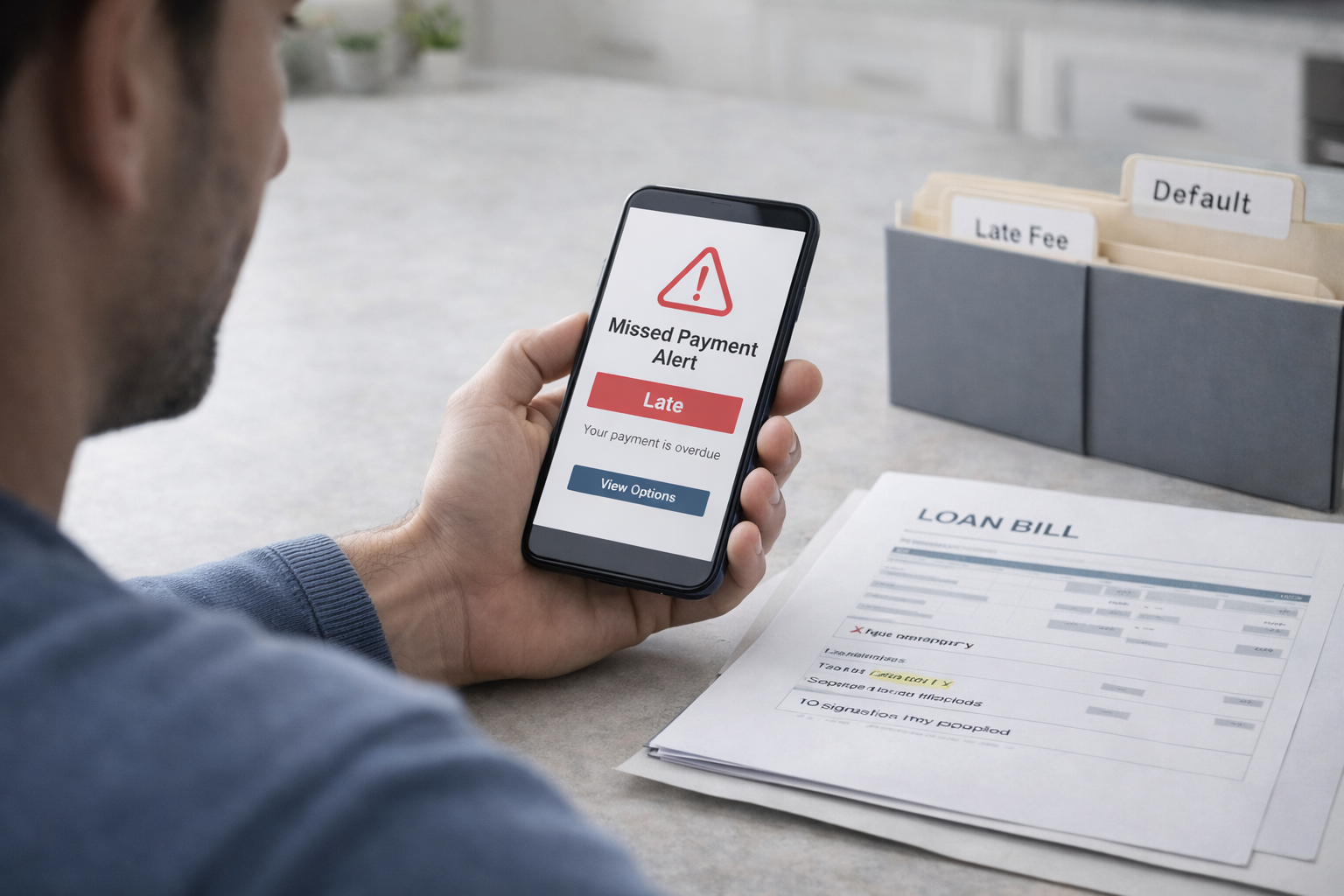
Checking your account and spotting a surprise $35 non-sufficient funds (NSF) fee perfectly illustrates the harsh reality of a bounced loan payment....
Whether you're covering unexpected expenses, making a big purchase, or just need extra cash, our personal loans offer simple, flexible funding tailored to your needs.
Simplify your finances with a loan that combines multiple payments into one. Our consolidation loans help reduce stress and keep your budget on track.
Upgrade your living space with financing designed for renovations, repairs, or remodeling. Our home improvement loans help you enhance your home’s comfort, value, and functionality—on your terms.
Explore expert insights, financial tips, and strategic guidance from the Symple Lending team. Our insights and resource articles are your go-to source for empowering content that helps you make informed decisions on your journey to financial freedom.
Stay up-to-date with the latest press releases, media features, and major announcements from Symple Lending. This section showcases how we're making headlines and driving innovation in the lending industry.
2 min read
Breanne Neely
:
April 18, 2026
Checking your account and spotting a surprise $35 non-sufficient funds (NSF) fee perfectly illustrates the harsh reality of a bounced loan payment. Suddenly, a $100 auto-pay costs $135-yet the actual bill remains completely unpaid.
According to financial advocates, one bounced loan payment triggers a painful double penalty. Your bank takes their cut, while the lender adds a separate returned payment fee. Fortunately, simple strategies can get your money fully refunded.
Spotting a sudden penalty after an automatic payment fails requires knowing who charged you. The difference between overdraft and NSF fees clarifies the situation: an overdraft fee means your bank covered the shortage, whereas an NSF fee hits when they reject the transfer completely. Unfortunately, an empty bank account doesn't just halt the transaction.
Many assume a bounced electronic payment causes a single penalty, but it actually springs a costly "double-dip" trap. When auto-pay fails, the mechanics follow a strict sequence:
Suddenly, a simple $100 loan bill essentially costs $170 due to $70 in combined penalties from both entities for the exact same mistake. While Consumer Financial Protection Bureau fee regulations increasingly scrutinize these overlapping costs, they still drain consumer wallets daily. Knowing this sequence is the first step to protecting your cash.
Seeing money vanish to penalties is infuriating, but you don't always have to accept the loss. While Electronic Funds Transfer Act consumer rights protect against unauthorized withdrawals, disputing unfair returned check charges is often your fastest remedy. Implement these practical ways to avoid bounced loan payments:
Implementing these digital alerts acts as an early warning system, giving you time to deposit cash before an auto-pay fails. Getting NSF fees waived brings immediate financial relief today, but stopping the cycle permanently is what truly protects your long-term stability. Securing your accounts now prevents lasting damage.
Returned payments severely impact credit scores and trigger cascading consequences when a payday loan bounces. Recognizing these "black marks" protects you from ChexSystems reporting and secondary market debt collection for unpaid fees.
Start a 24-hour balance-check habit to ensure your payments clear. Proactively stopping these hidden charges secures your banking reputation and eliminates the need to rebuild credit from bank fee debt.
Want the full list of fees and red flags? Read our full blog post here.
Disclaimer: The information provided in this blog post is for educational and informational purposes only and should not be considered as financial, legal, investment, or tax advice. Symple Lending is not responsible for any financial outcomes resulting from following the information or ideas shared in this blog. Every individual's financial situation is unique, and we strongly encourage readers to take their own circumstances into consideration and consult with a qualified financial, legal, tax, and investment advisor before making any financial decisions. Symple Lending does not provide financial, legal, tax, or investment advice.
Checking your account and spotting a surprise $35 non-sufficient funds (NSF) fee perfectly illustrates the harsh reality of a bounced loan payment....
Did you know that financial stress affects nearly 70% of Americans, yet most people never talk about it? If you’ve made money mistakes in the past...
We’ve all felt that sudden panic of a forgotten bill. Missing a due date doesn't ruin your finances overnight. Industry standards offer a financial...