Skip to the main content.

Personal Loans

Whether you're covering unexpected expenses, making a big purchase, or just need extra cash, our personal loans offer simple, flexible funding tailored to your needs.

Learn more...

Consolidation Loans

Simplify your finances with a loan that combines multiple payments into one. Our consolidation loans help reduce stress and keep your budget on track.

Learn more...

Home Improvement Loans

Upgrade your living space with financing designed for renovations, repairs, or remodeling. Our home improvement loans help you enhance your home’s comfort, value, and functionality—on your terms.

Learn more...

Symple Insights

Explore expert insights, financial tips, and strategic guidance from the Symple Lending team. Our insights and resource articles are your go-to source for empowering content that helps you make informed decisions on your journey to financial freedom.

Learn More...

Symple News

Stay up-to-date with the latest press releases, media features, and major announcements from Symple Lending. This section showcases how we're making headlines and driving innovation in the lending industry.

Learn More...

7 min read

Critical Loan Approval Factors: What Lenders Really Look For

Critical Loan Approval Factors: What Lenders Really Look For
11:25

Ever wondered why some loan applications sail through while others get rejected? The truth is, banks aren't just rolling dice with your financial future. Behind each approval or denial lies a calculated assessment of specific risk factors that lenders have refined over decades.

Think of loan approval as a financial puzzle where you control most of the pieces. Understanding what lenders look for doesn't just improve your approval odds, it transforms you from a hopeful applicant into a strategic borrower who can navigate the system with confidence.

Introduction to Loan Approval

The loan approval process can feel like stepping into a maze without a map. Whether you're applying for a mortgage, personal loan, or business financing, lenders follow specific evaluation criteria to determine if you qualify.

Understanding these factors isn't just helpful, it's essential. Lenders want to know you can and will repay your loan, and they use several key indicators to make this assessment.

By knowing what matters to lenders, you can better prepare your application and improve your chances of approval. Most lenders examine your credit score and credit history, income stability, existing debt obligations, and payment patterns to build a complete picture of your financial reliability.

Remember, loan approval isn't based on a single factor but rather a comprehensive evaluation of your overall financial health and responsibility.

Understanding Credit History and Credit Score

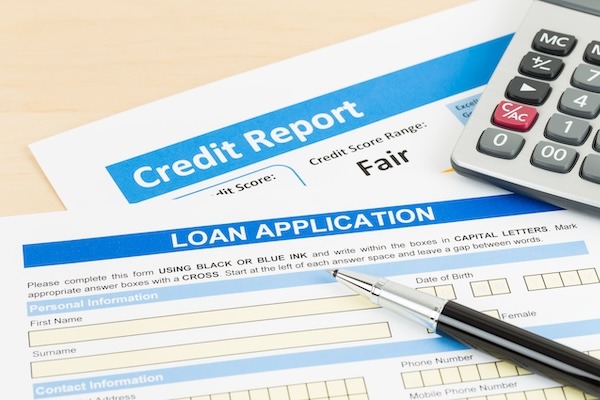
Your credit score serves as a financial report card for lenders. Most mortgage lenders look for a minimum FICO score of 620, with better approval odds at 670 or higher. For personal loans, 640 typically marks the starting point.credit score

But it's not just about the number. Lenders examine your entire credit report, looking for:

  • Consistent on-time payments
  • Low credit utilization
  • Age and mix of credit accounts
  • Limited recent inquiries
  • Your debt-to-income ratio

Red flags include recent bankruptcies, collections accounts, and multiple credit applications in a short timeframe.

Different loan types have different requirements. Government-backed mortgages like FHA loans may accept scores as low as 500 with a larger down payment (10%), or 580 with just 3.5% down.

Remember, higher scores generally translate to better interest rates, potentially saving you thousands over the life of your loan.

Evaluating Income and Employment History

When reviewing your loan application, lenders want to see that you have reliable, consistent income. This proves you can handle the monthly payments without strain on your finances.employment history

Lenders look at:

  • How long you've been at your current job
  • The stability of your income source
  • Whether your income earnings are predictable or variable
  • If your income is likely to continue into the future

Your monthly income can come from various sources: salary, commission, self-employment, or investments. For most loans, lenders prefer to see at least two years of steady employment, though this requirement may vary.

For business loans, expect to provide multiple years of tax returns and financial statements. These documents help lenders confirm your ability to manage the new debt while meeting existing obligations.

If you're worried about qualifying, emphasize any aspects of income consistency in your application, as stability matters more than the specific type of work you do.

Assessing Existing Debt and Financial Obligations

Lenders pay close attention to your existing debts when considering your loan application. The key metric they use is your debt-to-income ratio (DTI), which compares your monthly debt payments to your monthly income.existing debt

Most lenders prefer a DTI under 43%, with some setting stricter limits at 36%. The lower your ratio, the stronger your loan application appears. If your DTI exceeds these thresholds, you might face higher interest rates or even denial.

The debts factored into your DTI calculation include:

  • Car payments
  • Student loans
  • Credit card balances
  • Personal loans
  • Mortgage loans
  • Child support and alimony
  • Other ongoing financial commitments

Before applying, consider paying down high-interest debts or consolidating multiple payments. This can quickly improve your DTI and strengthen your application. Generally, keeping your DTI below 50% significantly increases your approval chances.

The Importance of Payment History and Patterns

Your payment history speaks volumes to lenders about your financial responsibility. When reviewing your application, they're looking for a consistent pattern of on-time loan payments over extended periods. This track record serves as evidence that you're likely to repay future debts reliably.payment history

Late or missed payments can raise concerns, especially if they're recent or frequent. However, contrary to what many believe, a single late payment from years ago won't necessarily torpedo your application. Many lenders understand that financial hiccups happen.

What matters most is your overall pattern. Have you generally paid bills on time? Have any past issues been resolved promptly? Recent payment history carries more weight than older incidents, which is why maintaining good habits now can help overcome past challenges on your credit history.

For mortgage applications specifically, demonstrating solid payment behavior in the months leading up to your application strengthens your case considerably.

Why Lenders Look at These Factors

Lenders carefully review your application to assess the likelihood that you'll make loan payments on time. It's not just about checking boxes; they're trying to answer a fundamental question: "Will this person pay us back?"

This is why they look at multiple aspects of your financial life:

  • Risk assessment: Your credit score and credit history help predict your future behavior
  • Financial capacity: Income and employment details show if you can handle new debt
  • Responsibility indicators: Existing obligations reveal how you manage money

Many lenders apply frameworks like the "Four C's" (capacity, capital, collateral, and credit) or the "Five C's" (which adds character) to evaluate applications. Each component helps build a complete picture of you as a borrower.

Remember that lenders aren't looking for perfection in every category. Strength in one area can sometimes offset weakness in another, which is why understanding the full evaluation process matters.

Preparing for Your Loan Application

Getting ready before you submit your application can significantly boost your approval chances. Start by reviewing your credit reports from all three major bureaus (TransUnion, Equifax, and Experian) for errors or outdated information. You can request free copies annually through AnnualCreditReport.com.

Next, gather documentation that showcases your financial stability:

  • Recent pay stubs (typically last 30 days)
  • W-2 forms and tax returns (past 2 years)
  • Bank statements (last 2-3 months)
  • Proof of other income sources

For business loans, prepare additional documents like profit-and-loss statements, business tax returns, and details about your collateral.

Timing matters too. Avoid applying for multiple loans or credit cards within a short period, as these inquiries can signal financial distress to lenders. Space out applications by at least six months when possible.

Addressing Common Misconceptions

Many borrowers have incorrect beliefs about loan approval that can hold them back. Let's clear these up:

First, lenders evaluate your entire financial picture, not just a single factor. If you're weaker in one area but stronger in others, you might still qualify. The process involves balancing multiple considerations rather than rigid checkboxes.

Second, lower credit scores don't automatically disqualify you. Government-backed mortgage programs can accept credit scores as low as 500-580, and some lenders offer "bad credit" personal loans. While you'll likely pay higher interest rates, options do exist.

Third, there are different types of loans available, so if you don't qualify for one, you may still get approved for another. Unsecured personal loans don't require collateral, but often come with higher interest rates since the lender is taking on more of a risk. Secured loans, on the other hand, require you to put down some form of collateral, but this often means a lower interest rate.

Finally, preapproval differs from final approval. Preapproval gives you an estimated borrowing amount based on preliminary information, while final approval happens after the lender verifies all your documentation. Don't mistake preapproval for a guarantee; changes in your finances between these stages could affect the outcome.

Increase Your Approval Odds

Understanding what lenders look for puts you in a stronger position when applying for financing. Take time to analyze your own financial profile before submitting applications. How does your credit score look? Is your employment history stable? What's your current credit utilization ratio?

Don't be discouraged if you're not perfect in every category. Many applicants qualify despite having areas that need improvement. The key is honest self-assessment and strategic preparation.

Consider these practical steps:

  • Check your credit reports several months before applying
  • Address any errors or collections accounts promptly
  • Hold off on major purchases that increase your debt load
  • Gather your financial documents early

Remember, loan approval isn't about financial perfection, it's about demonstrating responsibility and readiness for the commitment you're taking on. With preparation and patience, you can approach the application process with greater confidence.

Taking Control of Your Loan Journey

Armed with knowledge about what matters to lenders, you're no longer at the mercy of mysterious approval processes. Your credit score, income stability, existing debt load, and payment history are like financial vital signs, with each one telling part of your money story to potential lenders.

Remember that improvement is always possible. Whether you're applying next week or next year, every positive financial decision you make today strengthens your profile. By focusing on the factors lenders value most, you transform from passive applicant to empowered borrower, ready to secure the financing you need on the best possible terms.

Frequently Asked Questions

Question: What credit score do I need to get approved, and does my entire credit history matter?

Short answer: Most mortgage lenders look for a minimum FICO score of 620, with stronger odds at 670 or higher. Personal loans typically start around 640. Some government-backed mortgages (like FHA) can go as low as 500 with 10% down, or 580 with 3.5% down. But lenders don’t judge you by the score alone—they review your whole credit report for on-time payment patterns, low credit utilization, the age and mix of accounts, limited recent inquiries, and your debt-to-income ratio. Recent bankruptcies, collections, or a flurry of new applications are red flags. Higher scores generally earn better interest rates, often saving you money over the life of the loan.

Question: How important is my payment history—will one late payment ruin my chances?

Short answer: Lenders focus on patterns and recency. A consistent record of on-time payments over time is a strong positive, while frequent or recent late payments raise concern. A single late payment from years ago usually isn’t a deal-breaker, especially if you’ve been on time since. Recent, clean payment behavior carries extra weight, and for mortgages in particular, a solid on-time streak in the months before you apply helps your case.

Question: What income and employment details do lenders want to see?

Short answer: Reliability and continuity matter most. Lenders typically like to see at least two years of steady employment, but specifics can vary. Acceptable income can include salary, commissions, self-employment, and investments—what counts is that earnings are predictable and likely to continue. Self-employed borrowers and business loan applicants should expect to provide multiple years of tax returns and financial statements to demonstrate consistent income and the capacity to manage new debt alongside existing obligations.

Question: What is a debt-to-income ratio (DTI), and what numbers are lenders looking for?

Short answer: DTI compares your monthly debt payments to your monthly income. Most lenders prefer a DTI under 43%, and some set tighter limits around 36%. Keeping your DTI below 50% improves approval chances, but the lower, the better. Debts included typically are car payments, student loans, credit cards, personal loans, mortgages, child support/alimony, and other ongoing commitments. Paying down high-interest balances or consolidating debts before you apply can quickly improve your DTI.

Question: What’s the difference between preapproval and final approval, and how should I time my applications?

Short answer: Preapproval is an estimate based on preliminary information; final approval comes after the lender verifies all your documents and details. Preapproval isn’t a guarantee—changes in your income, debts, or credit between stages can affect the outcome. To strengthen your position, review your credit reports (you can get free annual copies from AnnualCreditReport.com), gather pay stubs, tax returns, and bank statements in advance, and avoid multiple credit applications in a short period. When possible, space applications by at least six months.

Disclaimer: The information provided in this blog post is for educational and informational purposes only and should not be considered as financial, legal, investment, or tax advice. Symple Lending is not responsible for any financial outcomes resulting from following the information or ideas shared in this blog.  Every individual's financial situation is unique, and we strongly encourage readers to take their own circumstances into consideration and consult with a qualified financial, legal, tax, and investment advisor before making any financial decisions. Symple Lending does not provide financial, legal, tax, or investment advice.

Debt Relief Without the Risk: How to Reduce Payments While Protecting Your Credit Score

Debt Relief Without the Risk: How to Reduce Payments While Protecting Your Credit Score

For many borrowers, the hesitation isn’t about the monthly payment.

Continue Reading
Collateral & Asset Strength: What Counts and How It's Valued

Collateral & Asset Strength: What Counts and How It's Valued

Lenders always want a backup plan before approving money. In practice, this safety net is collateral for a loan—a financial security deposit like...

Continue Reading
5 Overwhelming Payment Structure Signs You Shouldn't Ignore

5 Overwhelming Payment Structure Signs You Shouldn't Ignore

The average American household juggles up to ten recurring bills every single month. That’s nearly ten due dates, interest rates, and minimum...

Continue Reading
Will a Consolidation Loan or Personal Loan Help Your Credit Score? Key Factors to Know

1 min read

Will a Consolidation Loan or Personal Loan Help Your Credit Score? Key Factors to Know

You’ve likely heard that applying for new credit temporarily lowers your rating. While experts confirm a short-term dip is normal, the link between ...

Continue Reading
Consolidation Loan vs. Personal Loan Rates, Fees, and Total Cost: What to Compare

1 min read

Consolidation Loan vs. Personal Loan Rates, Fees, and Total Cost: What to Compare

Staring at multiple bills makes it hard to tell if you’re saving money or just moving debt. In reality, consolidation loan vs personal loan rates...

Continue Reading
Monthly Payment vs. Total Cost: The Core Tradeoff of Longer Loan Terms

1 min read

Monthly Payment vs. Total Cost: The Core Tradeoff of Longer Loan Terms

When it comes to choosing a loan, one of the most significant decisions you'll face is the length of the loan term. This choice directly influences...

Continue Reading