Credit Monitoring & Score Tracking Tools: What to Watch and What to Ignore
Navigating your financial health can feel overwhelming, but utilizing a reliable credit score tracker makes the process much easier. Many people...
Whether you're covering unexpected expenses, making a big purchase, or just need extra cash, our personal loans offer simple, flexible funding tailored to your needs.
Simplify your finances with a loan that combines multiple payments into one. Our consolidation loans help reduce stress and keep your budget on track.
Upgrade your living space with financing designed for renovations, repairs, or remodeling. Our home improvement loans help you enhance your home’s comfort, value, and functionality—on your terms.
Explore expert insights, financial tips, and strategic guidance from the Symple Lending team. Our insights and resource articles are your go-to source for empowering content that helps you make informed decisions on your journey to financial freedom.
Stay up-to-date with the latest press releases, media features, and major announcements from Symple Lending. This section showcases how we're making headlines and driving innovation in the lending industry.
2 min read
Breanne Neely
:
June 15, 2026
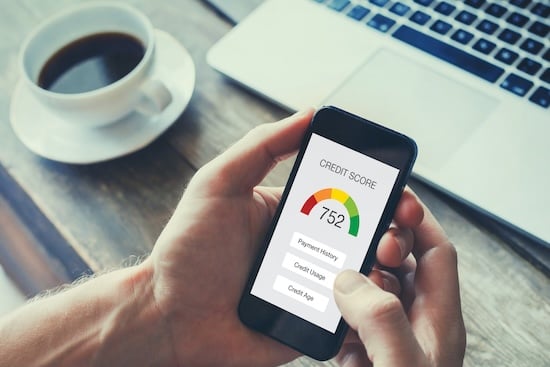
Navigating your financial health can feel overwhelming, but utilizing a reliable credit score tracker makes the process much easier. Many people wonder about the best ways to protect their financial reputation. To help you master your finances, this guide will explain credit monitoring and score tracking tools for US consumers: what’s free vs paid, what alerts matter, how often to check, and how to use insights to build credit.
When you decide to check credit score metrics regularly, you'll quickly notice the difference between free credit monitoring and paid services.
It also helps to compare AnnualCreditReport.com vs third-party monitoring tools. While AnnualCreditReport.com provides your official, legally mandated reports from the three major bureaus, it doesn't give you automated, real-time credit alerts like third-party apps do.
With so much data available, what are the most important credit alerts to monitor? You should pay close attention to:
Protecting identity with real-time credit monitoring alerts requires quick action. The immediate steps to take after receiving a suspicious credit alert include freezing your credit files, reviewing your full report for unauthorized activity, and contacting the credit bureau directly to dispute the claim.
Many consumers ask, "does checking your own credit score hurt your rating?" The answer is a definitive no. Personal checks are considered "soft inquiries." Knowing how often to check credit score without lowering it is simple: you can check your own score every single day if you want to!
While tracking your numbers, be aware of the difference between a FICO score vs VantageScore for US consumers. Most major lenders rely on FICO models, while many free apps show your VantageScore. Both rely on the same underlying data, making consistent credit report monitoring essential regardless of the model used.
Understanding how to use credit monitoring insights to increase credit score is a financial game-changer. For instance, analyzing the relationship between credit utilization and score tracking can reveal exactly when you should pay down your credit card balances. Keeping your balances well below 30% of your total limit before your statement closes can yield rapid score improvements.
Additionally, continuous credit monitoring helps you quickly spot reporting inaccuracies. Identifying common errors on credit reports and how to fix them—such as an incorrectly reported late payment—can immediately boost your overall score once the bureaus remove the error.
Staying on top of your credit doesn't have to be a guessing game. By using the right mix of free and paid tracking tools, you can actively protect your identity while boosting your borrowing power. Ready to dive deeper into maximizing your financial profile? Read the full Symple Lending blog post today and take the next step toward ultimate credit confidence!
Disclaimer: The information provided in this blog post is for educational and informational purposes only and should not be considered as financial, legal, investment, or tax advice. Symple Lending is not responsible for any financial outcomes resulting from following the information or ideas shared in this blog. Every individual's financial situation is unique, and we strongly encourage readers to take their own circumstances into consideration and consult with a qualified financial, legal, tax, and investment advisor before making any financial decisions. Symple Lending does not provide financial, legal, tax, or investment advice.
Navigating your financial health can feel overwhelming, but utilizing a reliable credit score tracker makes the process much easier. Many people...
Getting financially organized means gathering all your financial information in one place, understanding your monthly income and expenses, building a...
If you are looking into building credit history for young adults in the US or trying to repair your own score, you might have heard of piggybacking...