Skip to the main content.

Personal Loans

Whether you're covering unexpected expenses, making a big purchase, or just need extra cash, our personal loans offer simple, flexible funding tailored to your needs.

Learn more...

Consolidation Loans

Simplify your finances with a loan that combines multiple payments into one. Our consolidation loans help reduce stress and keep your budget on track.

Learn more...

Home Improvement Loans

Upgrade your living space with financing designed for renovations, repairs, or remodeling. Our home improvement loans help you enhance your home’s comfort, value, and functionality—on your terms.

Learn more...

Symple Insights

Explore expert insights, financial tips, and strategic guidance from the Symple Lending team. Our insights and resource articles are your go-to source for empowering content that helps you make informed decisions on your journey to financial freedom.

Learn More...

Symple News

Stay up-to-date with the latest press releases, media features, and major announcements from Symple Lending. This section showcases how we're making headlines and driving innovation in the lending industry.

Learn More...

2 min read

Budgeting App Basics: Automation, Alerts, and Dashboards Explained

Budgeting App Basics: Automation, Alerts, and Dashboards Explained
4:04

Choosing a personal finance app is easier when you know which budgeting app features actually reduce work: automation, alerts, dashboards, and syncing. If you are evaluating a budgeting app alternative to Mint or doing a best budgeting apps comparison, focus on how well the app can automate budgeting, keep you informed without overwhelming you, and present decisions clearly.

Automation: Make the Budget Run Itself

The most valuable budgeting app features start with automated budgeting rules that remove repetitive steps and improve consistency. Look for recurring bills automation, scheduled transfers, and smart prompts for missed transactions.

Practical automation to prioritize:

  • Expense categorization with editable rules (merchant- and keyword-based) to improve category-based spending insights.
  • How to track subscriptions using recurring-merchant detection and renewal reminders.
  • Cash flow forecasting tools that project upcoming bills and income to reduce surprises.
  • Envelope budgeting app vs zero-based support (or flexible “hybrid” methods) so you can match the app to your style.

Tip: Use a “review queue” once weekly so automation stays accurate without constant manual corrections.

Alerts: Spending Signals Without Notification Overload

Spending alerts can prevent small issues from becoming expensive problems, but the spending alerts setup matters. A good app offers thresholds by category, account, and time window, plus quiet hours and summaries.

To avoid budget app notification fatigue fix scenarios, choose:

  • Spending alerts for category spikes (dining, groceries) and unusual transactions.
  • Bill-due reminders tied to recurring bills automation.
  • Weekly digest alerts instead of constant push notifications.

Tip: Start with 2–3 alert types, then expand only if you act on them.

Dashboards: Turn Data Into Decisions

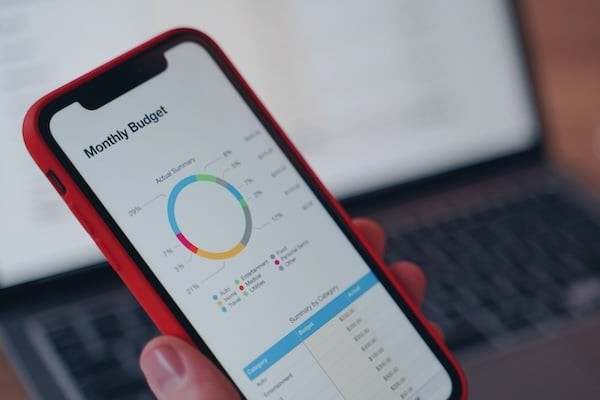
A strong budget dashboard should be readable in under a minute. The best designs provide a real-time budget dashboard with clear “spent vs remaining” views and trends that explain why totals changed.

Look for dashboards that include:

  • Budget vs actual by category (for category-based spending insights).
  • Net cash flow and projections (from cash flow forecasting tools).
  • “Top movers” and merchant trends to validate expense categorization.

For households, a family budgeting app shared dashboard should support shared goals, role-based permissions, and separate views for personal and joint spending.

Syncing: Reliable Connections and Security Basics

Account syncing and bank account syncing security are deciding factors for most US consumers. Understand what is open banking: many apps connect through regulated data aggregators and token-based access, rather than storing bank passwords directly.

If you encounter why bank sync not updating, common fixes include:

  • Re-authenticate the connection and update MFA settings.
  • Confirm the bank is supported and not in maintenance.
  • Check that the correct account type (credit vs checking) is selected.

Takeaway

Prioritize budgeting app features that save time (automation), prevent overspending (alerts), simplify decisions (dashboards), and minimize manual entry (syncing). Then compare apps based on how consistently these four pillars work for your accounts and habits.

Read our full blog post here.

Disclaimer: The information provided in this blog post is for educational and informational purposes only and should not be considered as financial, legal, investment, or tax advice. Symple Lending is not responsible for any financial outcomes resulting from following the information or ideas shared in this blog. Every individual's financial situation is unique, and we strongly encourage readers to take their own circumstances into consideration and consult with a qualified financial, legal, tax, and investment advisor before making any financial decisions. Symple Lending does not provide financial, legal, tax, or investment advice.

Budgeting App Basics: Automation, Alerts, and Dashboards Explained

Budgeting App Basics: Automation, Alerts, and Dashboards Explained

Choosing a personal finance app is easier when you know which budgeting app features actually reduce work: automation, alerts, dashboards, and...

Continue Reading
8 Questions to Ask A Lender Before Applying for a Loan

8 Questions to Ask A Lender Before Applying for a Loan

Before applying for a personal or consolidation loan, ask your lender about the annual percentage rate (APR), monthly payment, fees, credit inquiry...

Continue Reading
Why Most Budgets Fail (and How Modern Budgeting Tools Fix It)

Why Most Budgets Fail (and How Modern Budgeting Tools Fix It)

Budgets often fail not because you “lack discipline,” but because the plan doesn’t match real life. If you’ve ever thought, “why budgeting doesn’t...

Continue Reading