A Mid-Year Financial Checkup: Questions to Ask Yourself
A mid-year financial checkup helps you evaluate your savings, budget, and debt to ensure you remain on track for your annual goals. Taking time to...
Whether you're covering unexpected expenses, making a big purchase, or just need extra cash, our personal loans offer simple, flexible funding tailored to your needs.
Simplify your finances with a loan that combines multiple payments into one. Our consolidation loans help reduce stress and keep your budget on track.
Upgrade your living space with financing designed for renovations, repairs, or remodeling. Our home improvement loans help you enhance your home’s comfort, value, and functionality—on your terms.
Explore expert insights, financial tips, and strategic guidance from the Symple Lending team. Our insights and resource articles are your go-to source for empowering content that helps you make informed decisions on your journey to financial freedom.
Stay up-to-date with the latest press releases, media features, and major announcements from Symple Lending. This section showcases how we're making headlines and driving innovation in the lending industry.
Table of Contents
A mid-year financial checkup helps you evaluate your savings, budget, and debt to ensure you remain on track for your annual goals. Taking time to review your financial health allows you to make necessary adjustments, reduce financial stress, and plan a stronger strategy for the rest of the year.
The middle of the calendar year presents a natural opportunity to pause and evaluate your financial progress. Conducting a personal finance checkup helps you understand exactly what is working well and where adjustments may be necessary. The goal of this process is to build awareness and steady improvement, rather than striving for absolute perfection.
A thorough mid year financial checkup provides a clear picture of your current financial standing. When you take the time to review your accounts, you can make informed decisions about how to allocate your resources moving forward. This intentional pause allows you to celebrate your recent successes while calmly addressing any areas of concern.
Taking a proactive approach to your finances can reduce stress and increase your confidence. Using a financial planning checklist during this time ensures that you do not overlook important details like changing income or upcoming seasonal expenses. A steady, deliberate review process can help you build a more secure financial foundation for the months ahead.
Reviewing the objectives you set in January is the first step in a mid year financial review. Checking your progress toward short-term goals and long term financial goals helps you determine if your current savings rate and daily spending habits still align with your original targets. When you conduct a financial goals review regularly, you create an opportunity to pivot before you fall significantly off track.
Updating your objectives along the way can help you stay on track and maintain realistic expectations for the remainder of the year.
Evaluating your monthly spending habits is the core component of a mid year budgeting review. Tracking your cash flow helps you understand if your current allocation of funds accurately reflects your daily needs and long-term priorities. Understanding where your money goes can help you identify areas where a small adjustment might improve your overall financial stability, especially when you compare your actual spending with the budget you set for the last six months.
Ensuring your budget reflects your current priorities can help you manage your money with greater intention.
Checking your available liquid cash is a critical step when you assess your financial health. An emergency fund provides a necessary financial buffer when unexpected medical expenses, home repairs, or job transitions occur. Reviewing this balance ensures that you have enough accessible money to protect yourself from relying on high-interest credit during a crisis.
Maintaining a healthy emergency fund can provide you with peace of mind when unexpected costs arise.
Reviewing your monthly payments ensures that your debt remains manageable and well-organized. Conducting a financial wellness checkup gives you a clearer financial picture by showing how liabilities, interest costs, and repayment timelines affect your net worth. Understanding these details can help you decide if maintaining your current repayment strategy is practical or if exploring other options might be beneficial.
A fixed-rate personal loan can be a helpful tool when used responsibly to establish a defined payoff timeline. Taking time to compare your options can help you choose a repayment path that best fits your needs.
Updating your financial strategy to reflect changes in your earnings is a vital part of a mid year financial checkup. Experiencing a shift in your household income directly impacts your ability to save, spend, and pay down existing obligations. Adjusting your plan to accommodate these changes ensures that your financial expectations remain grounded in your current reality.
Mid-year is also a smart time to check retirement contributions as income changes.
Adapting your financial plan to reflect your current earnings can help you avoid unnecessary debt and financial strain.
Anticipating future costs allows you to practice proactive planning rather than reactive spending. Looking ahead at the calendar helps you identify periods where your normal budget might experience additional strain due to seasonal obligations and major life events that can shift expected expenses. Recognizing these events early gives you time to save small amounts gradually, reducing the financial impact when the time arrives.
Planning for these predictable expenses now can help you preserve your emergency fund for true unexpected events.
Taking a moment to evaluate your emotional relationship with money is an important part of a financial check in. Assessing your financial stress levels helps you understand whether your current money management routines are supporting your well-being or creating anxiety. Recognizing how you feel about your finances can guide you toward habits that foster a greater sense of security and provide clarity about your overall financial health, including your credit score for a better understanding of where you stand.
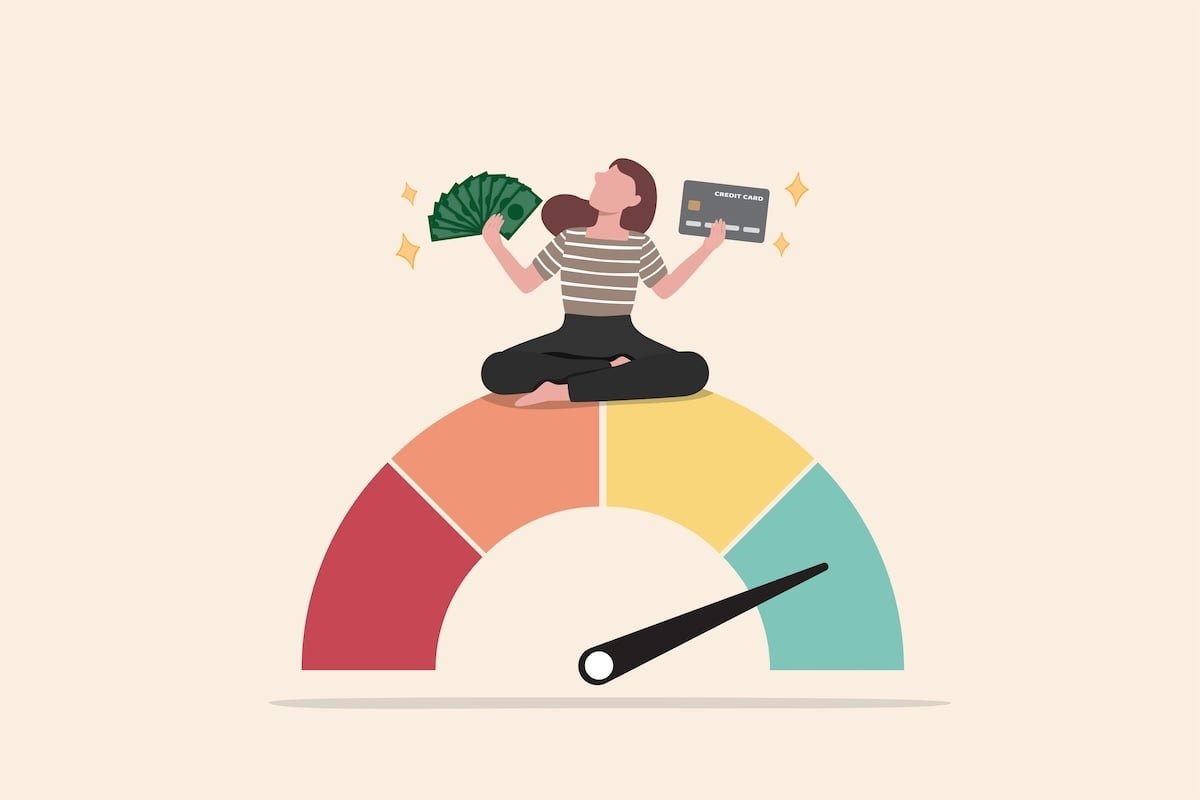
Credit scores typically range from 300 to 850, and lenders use them to assess credit risk. Checking credit reports helps identify errors or fraud, and service members may have access to free credit monitoring. Building reliable financial habits can help you approach your money management with a steady and measured mindset.
Narrowing your focus to a single objective can increase your likelihood of success during the second half of the year. Attempting to achieve multiple large goals simultaneously often leads to frustration and scattered efforts. Concentrating your resources on one specific target can help you build momentum and create a clear path forward, whether your top priority is paying down debt, building savings, or strengthening retirement planning through investments.
Creating a focused action plan can provide the clarity you need to finish the year in a stronger financial position.
Completing a mid-year financial checkup is fundamentally about building awareness and measuring your progress. Reviewing your finances provides you with the information you need to make calm, practical adjustments to your daily routines. These small shifts in your spending and saving habits can compound over time to create meaningful results by the end of the year.
You do not need to overhaul your entire financial life to see improvement. Identifying one or two areas for optimization can help you reduce stress and increase your overall financial stability. Taking the time to understand your financial standing today is a responsible step toward achieving your long-term financial goals, such as retirement.
As you move into the second half of the year, remember that a financial plan is a flexible tool. You can adapt your budget, adjust your savings targets, and refine your debt repayment strategies while shaping your investment strategy around your risk tolerance and time horizon, with a financial advisor helping you stay on track through major decisions. Staying engaged with your finances can help you navigate upcoming challenges with clarity and confidence.
A comprehensive mid-year financial checkup should include a review of your savings progress, an evaluation of your monthly budget, and an assessment of your current emergency fund. It is also important to review your active debt obligations, check your investment accounts and each retirement account, account for any changes in your income, and plan for upcoming seasonal expenses. A complete checkup should also review your current financial picture, including net worth, debt, and insurance coverage.
Reviewing your financial goals every six months provides a good balance between daily tracking and long-term planning. A mid-year review allows you enough time to see meaningful progress while still giving you a chance to adjust your strategy before the calendar year ends.
If you are managing multiple high-interest credit card balances, taking out a fixed-rate personal loan to consolidate that debt might be an option to consider, especially since carrying several balances can also hurt your credit score. A personal loan can combine multiple variable payments into one predictable monthly payment, which can help you establish a clear timeline for becoming debt-free. Choose this option if securing a lower fixed interest rate matters more than maintaining open credit lines. Lenders may also review this debt when evaluating future borrowing applications.
Most financial guidelines suggest keeping enough liquid cash to cover three to six months of essential living expenses. If your income fluctuates or you own a home, aiming for the higher end of that range can provide additional security against unexpected financial disruptions.
Sticking to your budget requires making sure that your spending categories accurately reflect your current income and priorities. Regularly tracking your expenses, automating your savings contributions, and reviewing your progress each month can help you maintain consistency, stay on track for savings and tax-related obligations, avoid reactive spending, and start planning for year-end tax liability as income and spending change.
Disclaimer: The information provided in this blog post is for educational and informational purposes only and should not be considered as financial, legal, investment, or tax advice. Symple Lending is not responsible for any financial outcomes resulting from following the information or ideas shared in this blog. Every individual's financial situation is unique, and we strongly encourage readers to take their own circumstances into consideration and consult with a qualified financial, legal, tax, and investment advisor before making any financial decisions. Symple Lending does not provide financial, legal, tax, or investment advice.
A mid-year financial checkup helps you evaluate your savings, budget, and debt to ensure you remain on track for your annual goals. Taking time to...
A personal loan works best when it supports a clear financial goal rather than a sudden impulse. Responsible borrowing means understanding the full...
Financial confidence naturally fluctuates throughout life. Unexpected expenses, income changes, competing money obligations, and major life...