Skip to the main content.

Personal Loans

Whether you're covering unexpected expenses, making a big purchase, or just need extra cash, our personal loans offer simple, flexible funding tailored to your needs.

Learn more...

Consolidation Loans

Simplify your finances with a loan that combines multiple payments into one. Our consolidation loans help reduce stress and keep your budget on track.

Learn more...

Home Improvement Loans

Upgrade your living space with financing designed for renovations, repairs, or remodeling. Our home improvement loans help you enhance your home’s comfort, value, and functionality—on your terms.

Learn more...

Symple Insights

Explore expert insights, financial tips, and strategic guidance from the Symple Lending team. Our insights and resource articles are your go-to source for empowering content that helps you make informed decisions on your journey to financial freedom.

Learn More...

Symple News

Stay up-to-date with the latest press releases, media features, and major announcements from Symple Lending. This section showcases how we're making headlines and driving innovation in the lending industry.

Learn More...

7 min read

10 Painless Daily Savings Tricks That Can Add Thousands to Your Bank Account

10 Painless Daily Savings Tricks That Can Add Thousands to Your Bank Account
10 Daily Savings Tricks That Can Add Thousands to Your Bank Account
13:24

Did you know that the average American spends $1,497 per month on non-essential items? That's nearly $18,000 annually that could be redirected toward your savings goals. The good news is that saving money doesn't always require drastic lifestyle changes or complicated budgeting systems.

Small, consistent actions can create remarkable financial results over time. These simple ways to save money work because they leverage the power of habit and compound effect, turning minor adjustments into significant savings without the feeling of sacrifice that makes many financial plans fail.

Rounding Up Purchases

Collecting "spare change" from your purchases is a great way to save money, and adds up faster than you might think. Several banks now offer features that automatically round up your debit card purchases to the nearest dollar, sending the difference straight to your savings account.

For example, when you buy a $5.57 coffee, the transaction rounds to $6.00, and $0.43 goes to your savings account. These small amounts accumulate throughout your day and transfer as a single sum.

Banks providing this money-saving option include:

  • Commerce Bank
  • RBFCU
  • Chime
  • SoFi
  • Acorns
  • Citizens Bank
  • Bank of America

Acorns takes this way to save money further by adding your spare change to an investment account once it reaches $5. This hands-off approach to saving money requires zero effort once set up, making it perfect for building an emergency fund or boosting your savings account without changing your spending habits.

Reviewing and Canceling Unused Subscriptions

Those $9.99 monthly charges add up quickly. Set a monthly calendar reminder to review all your subscription services: streaming platforms, apps, memberships, and recurring deliveries. You might be surprised by what you're still paying for but rarely using. One of the easiest ways to save money fast is canceling subscriptions that you never actually use.unsubscribe-1

Take these simple steps to audit your subscriptions:

  1. Check your bank and credit card statements for recurring charges
  2. Make a list of all subscriptions with their monthly costs
  3. Ask yourself: "Have I used this in the last 30 days?" If not, cancel it
  4. Mark your calendar to reassess in three months

Many people save $15-$50 monthly just by cutting unused streaming services or gym memberships that have been abandoned long ago. This money-saving method immediately improves your cash flow and requires just 20 minutes of your time each month. Consider implementing the 24-hour rule before signing up for new subscriptions to avoid accumulating unnecessary expenses.

Using Cashback Apps on Daily Buys

Getting money back on purchases you're already making is one of the easiest ways to save money. Cashback apps reward you for everyday shopping without changing your routine. Simply scan receipts or link your credit cards to earn rebates and start saving money on buying groceries, gas, dining, and more. You can also save time by linking your card to these apps so your savings hit right away.

Popular options include Ibotta, Rakuten, and Fetch Rewards, which offer percentages back on specific items or at certain stores. Many provide welcome bonuses, giving you more money-saving opportunities when you first sign up.

The process is straightforward:

  • Download the app
  • Browse available offers
  • Shop as usual
  • Submit your receipt or use a linked card
  • Watch your rewards accumulate

Most apps let you cash out once you reach a minimum threshold, typically $5-$20. The small amounts add up over time, potentially saving you thousands on necessary purchases. It's essentially free money for items already on your shopping list, and can be one of several fun savings plans you incorporate into your financial routine.

Save $5 a Day Challenge

Saving just $5 daily creates a powerful financial habit that adds up to $1,825 annually. The concept is simple: identify one small expense you can skip each day (perhaps that second coffee, a vending machine snack, or a streaming rental).save daily

Here's how to make it work:

  • Create a dedicated "Skip This" list of $5 items you regularly buy but could live without
  • Set up an automatic daily transfer of $5 to a separate savings account
  • Label the account with your specific savings goal (vacation fund, emergency savings, retirement plan, etc.)
  • Track your savings progress weekly to stay motivated

Some people prefer the visual satisfaction of dropping a $5 bill into a jar each evening. The key is consistency; making this small choice daily reinforces your money-saving mindset while building a substantial emergency fund over time. This approach is one of many ways to save money and can help you save thousands through disciplined daily choices.

Applying the 24-Hour Rule for Impulse Purchases

Want to stop wasting money on things you don't need? The 24-hour rule is your new best friend. When you feel the urge to make nonessential purchases and outside of your necessary living expenses, simply wait a full day before making the purchase.

This simple pause creates a buffer between your impulse and action, giving your rational brain time to catch up with your emotions. During this waiting period, ask yourself:

  • Do I really need this item?
  • Will I still want it tomorrow?
  • Does it fit within my budget?
  • Could this money be better used elsewhere?

Many shoppers find that once the initial excitement fades, the item no longer seems necessary. The rule works especially well for online shopping: just leave items in your cart overnight.

Try setting a price threshold (like $50 or $100) where the simple trick automatically kicks in. This small habit can protect your wallet from regrettable purchases and strengthen your money management skills.

Meal Prepping or Brown-Bagging Lunch

Eating out for lunch adds up quickly, costing you $10-15 per workday; that's $200-300 monthly that could go toward other savings goals and monthly expenses. Bringing lunch from home can cut this expense by 60-70%.

Start small by preparing just 2-3 lunches weekly. Simple options include:

  • Batch-cooked grain bowls with protein and vegetables
  • Wraps or sandwiches made the night before
  • Leftovers from dinner repurposed for lunch
  • Mason jar salads that stay fresh for days

The financial impact is immediate, but the benefits extend beyond your wallet. Home-prepared meals typically contain fewer calories and more nutrients than restaurant options.

Track your savings by transferring your usual lunch money to a dedicated savings account each time you bring food from home. This visual reinforcement helps maintain the habit while watching your daily savings grow. For larger purchases from the money you save, consider using the 24-hour savings plan to avoid impulse spending.

Buying Household Staples When Grocery Shopping in Bulk

Purchasing non-perishable items in bulk while grocery shopping when they're on sale can cut your monthly expenses for your household significantly. Rather than paying full price when you run out, stock up on essentials during promotional periods.grocery shopping

Items perfect for bulk buying include:

  • Paper products (toilet paper, paper towels)
  • Cleaning supplies
  • Canned goods
  • Pasta and rice
  • Personal care items
  • Laundry detergent
  • Pet food

Create a price tracking system to recognize genuine deals. A simple spreadsheet or note in your phone with "stock up" prices helps you make smart decisions when shopping. Additionally, buying in bulk at warehouse stores lets you reduce the amount you pay per item. You might be buying more than you initially need, but over time the reduced prices add up to big savings.

Designate specific storage areas in your home for these items to maintain organization. The initial investment might seem large, but spreading the cost of necessities across months results in steady money-saving without sacrificing quality. This approach to everyday purchases creates both immediate and long-term financial benefits, allowing you to make progress toward your savings goals. Just remember to avoid food waste by only keeping a bulk stock of non-perishable items that won't go bad quickly.

Opting for Water Over Drinks When Eating Out

One of the simplest money-saving habits you can adopt is choosing water instead of other beverages when dining out. Restaurant drinks often carry markups of 300-400%, with that $2.99 soda actually costing the establishment less than 25 cents.

A family of four can easily save $12-20 per meal by skipping soft drinks, tea, or alcoholic beverages. This small choice adds up quickly, potentially saving $500-1,000 annually if you dine out regularly.

Beyond the financial benefits, take advantage of the other benefits of choosing water:

  • Eliminates empty calories from sugary drinks
  • Keeps you better hydrated
  • Helps you enjoy your food's flavors more fully
  • Avoids caffeine or alcohol that might affect sleep

Try committing to water-only for just two weeks when eating out. Track your savings in a dedicated account to see how this effortless switch contributes to progress toward your daily savings goals.

Automating Transfers to Savings Buckets and Emergency Fund

Setting up automatic transfers from your checking account into dedicated savings accounts is like having a personal financial assistant working 24/7. Several banks now offer tools that let you create multiple "savings buckets" for different goals (vacation funds, emergency savings, holiday shopping, a home down payment, retirement savings) each receiving small, regular direct deposits.

Citizens Bank's Savings Tracker enables you to establish goal-based savings accounts through their mobile app, with automatic transfers on schedules you choose. Whether it's $5 daily or $20 weekly, these tiny amounts build steadily without requiring constant attention.

You can enhance this approach by combining it with round-up features from banks like Commerce Bank and RBFCU, which aggregate your spare change daily and transfer it to your designated savings account. The beauty of this system lies in its "set and forget" nature; money moves automatically while you focus on other priorities.

Consider creating separate buckets for short-term goals that take place in the near future (holiday gifts, planning for a vacation, paying off credit card debt, covering child care expenses, etc.) and long-term needs (car repairs, paying off high-interest debt, purchasing energy efficient appliances, etc.) to organize your daily savings more effectively.

Using the Penny or Coin-Saving Challenge

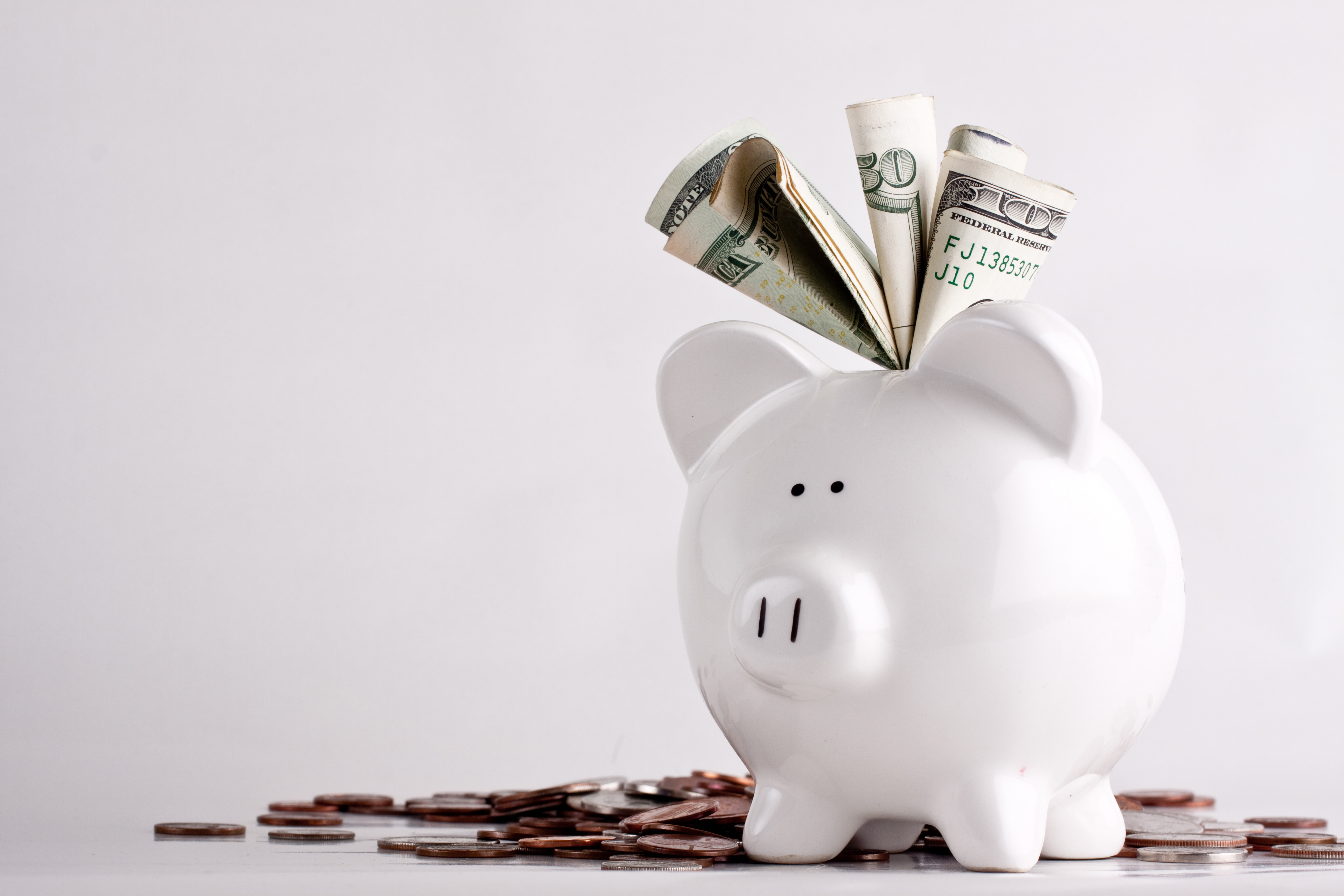
The digital age now offers modern versions of the classic piggy bank savings method. Round-up apps like Acorns and Chime automatically capture the "spare change" from your daily purchases, much like dropping pennies in a jar each day.penny challenge

This approach works because it feels painless: you're saving fractions from transactions you'd make anyway. For instance, when Acorns collects enough spare change to reach $5, it automatically invests that money for you.

What makes this saving tip effective is the surprise factor. Many users report being amazed at how quickly these tiny amounts accumulate. Within months, your digital "change jar" might hold hundreds of dollars you barely noticed saving.

Try pairing this with a specific target date or goal amount to keep yourself motivated to start saving money. Whether digital or physical, this small daily habit creates meaningful savings over time.

Start Small, Save Big

The most powerful aspect of these savings tricks isn't the individual amounts, it's the cumulative effect and the financial mindset they develop. By implementing just two or three of these strategies to start saving money, you could potentially save thousands each year without feeling deprived or overwhelmed.

Remember that consistency matters more than perfection. Choose the savings approaches that feel most sustainable for your lifestyle, then automate them whenever possible. Before long, these small daily decisions will transform into substantial savings and a stronger financial foundation that grows almost effortlessly over time.

Disclaimer: The information provided in this blog post is for educational and informational purposes only and should not be considered as financial, legal, investment, or tax advice. Symple Lending is not responsible for any financial outcomes resulting from following the information or ideas shared in this blog.  Every individual's financial situation is unique, and we strongly encourage readers to take their own circumstances into consideration and consult with a qualified financial, legal, tax, and investment advisor before making any financial decisions. Symple Lending does not provide financial, legal, tax, or investment advice.

10 Painless Daily Savings Tricks That Can Add Thousands to Your Bank Account

10 Painless Daily Savings Tricks That Can Add Thousands to Your Bank Account

Did you know that the average American spends $1,497 per month on non-essential items? That's nearly $18,000 annually that could be redirected toward...

Continue Reading
Simple Tools That Help You Stay Organized Without Extra Effort

Simple Tools That Help You Stay Organized Without Extra Effort

Ever notice how some people seem effortlessly organized with their finances while you're drowning in password resets and overdue bill notices? The...

Continue Reading
Warning Signs of Financial Burnout and How to Recover Your Money Confidence

Warning Signs of Financial Burnout and How to Recover Your Money Confidence

Ever felt like the simple act of checking your bank account triggers a wave of dread that stays with you all day? You're not experiencing ordinary...

Continue Reading
Simple Tools That Help You Stay Organized Without Extra Effort

Simple Tools That Help You Stay Organized Without Extra Effort

Ever notice how some people seem effortlessly organized with their finances while you're drowning in password resets and overdue bill notices? The...

Continue Reading
How to Navigate and Recover from the Post-Holiday Financial Slowdown: A Step-by-Step Guide

How to Navigate and Recover from the Post-Holiday Financial Slowdown: A Step-by-Step Guide

Ever woken up in January with a financial hangover that makes the holiday festivities seem like a distant dream? You’re facing what experts call the...

Continue Reading
Break Free From Financial Stress: How a Monthly Rhythm for Spending Can Transform Your Money Management

Break Free From Financial Stress: How a Monthly Rhythm for Spending Can Transform Your Money Management

Did you know that the average American checks their bank account 8 times a week? That’s over 400 financial check-ins per year. No wonder money stress...

Continue Reading